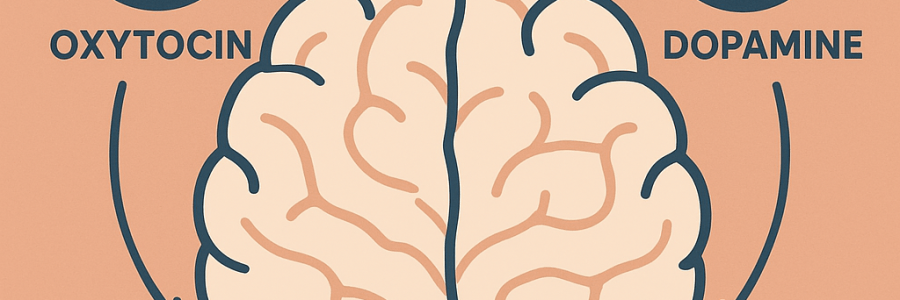
Mental Health, Medication, and Relationships — Why Stability and Honesty Matter

Entering a new relationship always involves trust, openness, and learning about another person’s emotional wellbeing. And one important lesson many people learn over time is this: the issue is often not the diagnosis itself — it is whether someone is taking responsibility for managing their health safely and consistently. Many people live full, loving, stable… Read More Mental Health, Medication, and Relationships — Why Stability and Honesty Matter
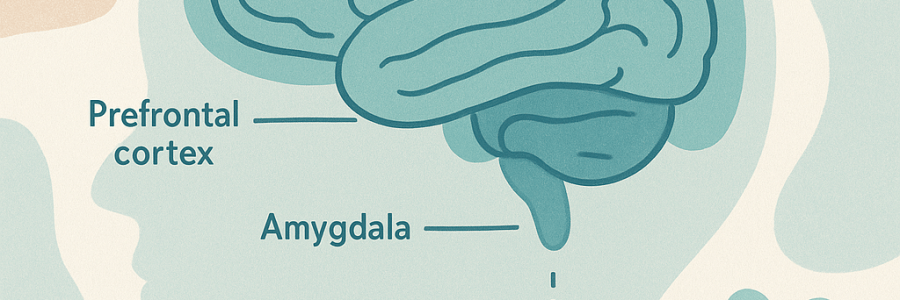
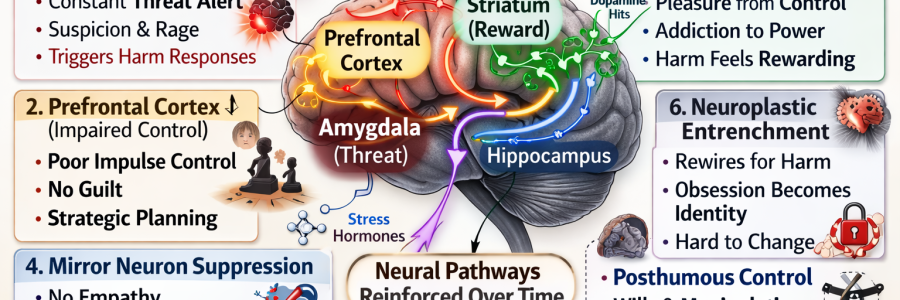
Distorted, underdeveloped, overactive, or impaired

When these systems are distorted, underdeveloped, overactive, or impaired, it can affect how a person thinks, feels, behaves, and relates to others. In Neuroscience this can happen because of genetics, development, injury, chronic stress, trauma, or learned patterns. In Psychology it shows up as patterns in personality and behavior. Important: “missing” is usually not literal—these systems… Read More Distorted, underdeveloped, overactive, or impaired

How certain brain systems work together 

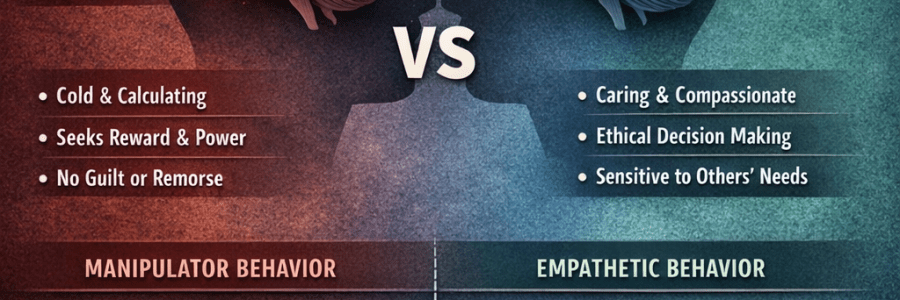
From a neuroscience perspective, the difference is often not that one person has a “bad brain” and another has a “good brain.”It is more about how certain brain systems work together — especially the systems for: empathy emotional regulation fear/anger response conscience impulse control 1. The brain of someone who may become abusive Research shows some abusive… Read More How certain brain systems work together 

How These Assessments Apply in Real Situations

When psychologists assess someone with patterns like: long-term control revenge thinking financial manipulation lack of accountability ongoing conflict after separation they’re not just looking at incidents — they’re looking at patterns across time, thinking style, and likelihood of change. 1. Using the HCR-20 in This Context A professional would map behaviour like this: Historical (H) They would look… Read More How These Assessments Apply in Real Situations

Abusive or high-conflict personalities.

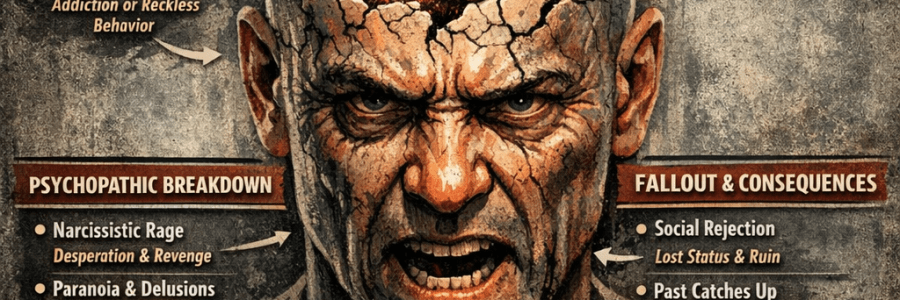
Low impulse control becomes much more significant — and more harmful — when it shows up in abusive or high-conflict personalities. Here’s how it typically plays out: 1. Fast Emotional Reactions Turn Into Harmful Behaviour In these personalities, emotions (especially anger, frustration, or feeling “disrespected”) rise very quickly — and there’s little pause before acting. So… Read More Abusive or high-conflict personalities.

💘 Dating and the Human Brain: The Good, The Bad & The Slightly Unhinged

Dating: that magical experience where you can feel like a glowing goddess on Monday, a detective by Wednesday, and emotionally retired by Sunday. But what is actually happening in your brain while all this romantic chaos unfolds? Let’s break it down scientifically… and slightly sarcastically. 🌟 THE GOOD: “I AM ALIVE AND GLOWING” When dating… Read More 💘 Dating and the Human Brain: The Good, The Bad & The Slightly Unhinged