Category: EMOTIONAL ABUSE
The tragedy of a distorted legacy
What do we leave behind when our life is over? For some people, it is love, kindness, memories, lessons, photographs and stories that bring people together. For others, the legacy is far more complicated. It may be a trail of lies, distorted stories, broken relationships, unanswered questions and a version of the past carefully constructed to… Read More The tragedy of a distorted legacy
When There Is Nowhere Left to Hide From Yourself

What if, at the end of your life, the person you have spent the most time deceiving is yourself? Not your partner. Not your children. Not your friends. You. Imagine reaching the final chapter of your life and having nowhere left to run from your own memories. No more distractions. No more new relationships. No… Read More When There Is Nowhere Left to Hide From Yourself
Self-abandonment

Self-abandonment is a particularly powerful concept for this article. In relationships, it means gradually putting aside your own needs, boundaries, values, feelings or dignity in order to keep the relationship, avoid conflict, or prevent someone from leaving. It isn’t simply being loving or compromising. Healthy compromise involves both people. Self-abandonment repeatedly costs you yourself. What self-abandonment can… Read More Self-abandonment
People With Self-Respect Don’t Play Head Games
In relationships, responding to emotional games with indifference showcases self-respect. Healthy individuals refuse to compete for affection and instead maintain boundaries, acknowledging that another’s behavior is their responsibility. A mature relationship should not rely on manipulation or jealousy to affirm love, but instead foster open communication and respect for each other’s feelings.… Read More People With Self-Respect Don’t Play Head Games
Operant Conditioning in Childhood

Behaviour What the person is trying to prevent Immediate consequence What the nervous system learns Long-term effect Keeping quiet Argument, criticism or anger Temporary peace “Silence keeps me safer.” Stops expressing needs, opinions and feelings Appeasing Escalation or punishment The other person may calm down “Giving in reduces the danger.” Boundaries become weaker; self-abandonment can… Read More Operant Conditioning in Childhood
Trauma Informed Assessment
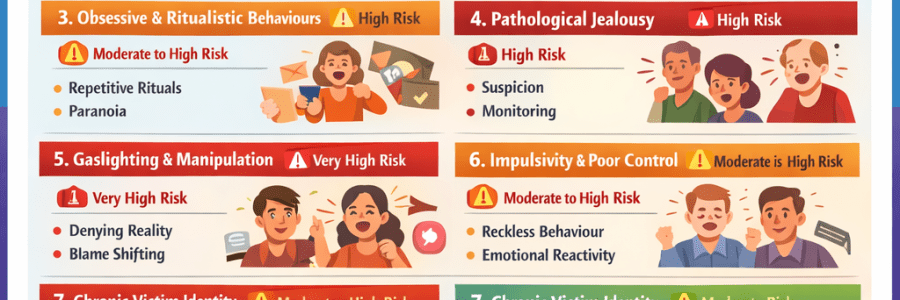
When a clinician is assessing for multidimensional abuse, they are generally looking beyond a single incident and examining the pattern, domains, severity, impact, risk and degree of control within the relationship. It is not simply a checklist asking, “Were you hit?” A good assessment tries to understand the person’s lived environment. What a clinical assessment may examine 1. Psychological and… Read More Trauma Informed Assessment
Multidimensional Abuse: When Abuse Takes More Than One Form
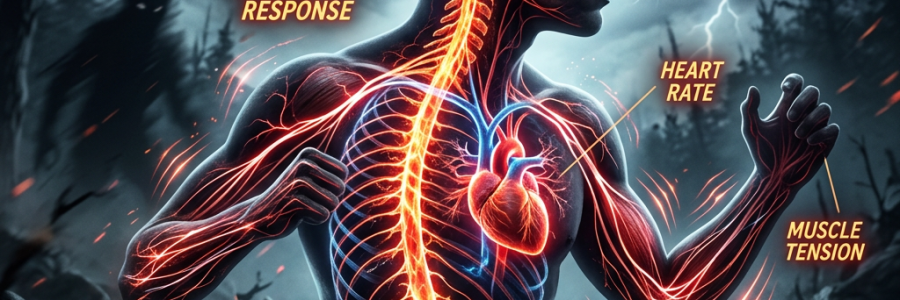
Abuse within an intimate relationship is rarely confined to a single behaviour. While public discussions often focus on physical violence, clinical understanding recognises that interpersonal abuse can occur across multiple domains simultaneously, including psychological, verbal, physical, sexual and financial abuse. When several forms of abuse coexist and interact, this can be described as multidimensional or multidomain… Read More Multidimensional Abuse: When Abuse Takes More Than One Form
Two Years On: From Survival to Feeling Safe Again

Almost two years ago, I walked out of my home in the middle of the night. It wasn’t a dramatic escape in the way films sometimes portray these things. There was no car waiting outside. No carefully organised suitcase. No perfectly timed plan. There was simply a moment when I knew I could not stay… Read More Two Years On: From Survival to Feeling Safe Again
What Did That Anniversary Letter Really Mean?
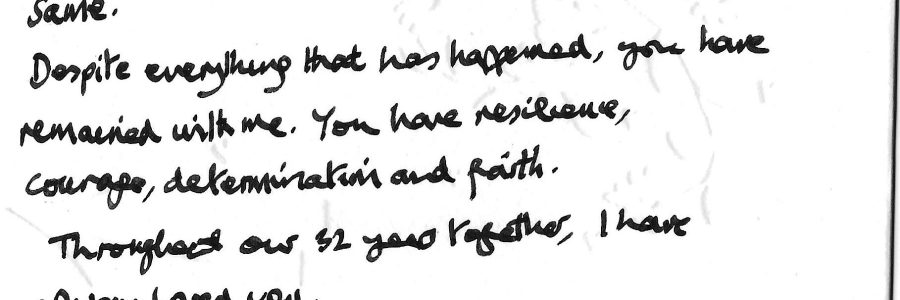
When “I Have Done Nothing But Upset You” Is Far More Than an Apology Sometimes a handwritten anniversary message can say much more than the person writing it probably realised. One such message contained these words: “For the first 20 years I have done nothing but upset you, and the previous 12 years before that… Read More What Did That Anniversary Letter Really Mean?

