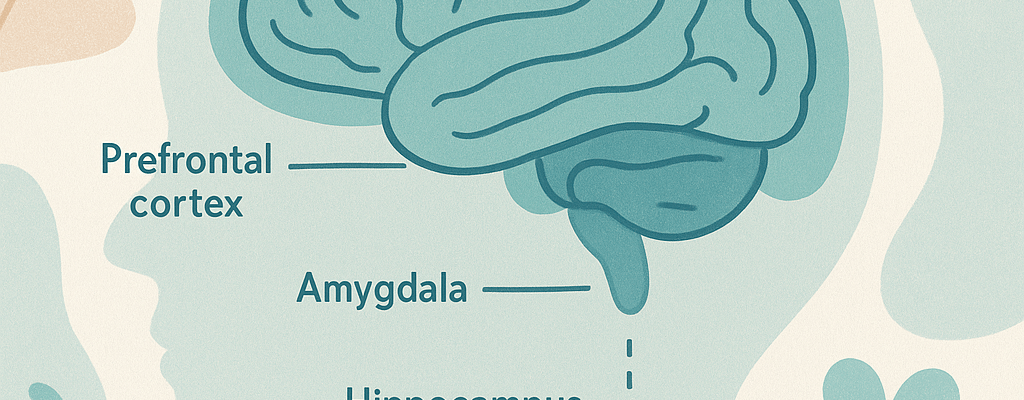
When these systems are distorted, underdeveloped, overactive, or impaired, it can affect how a person thinks, feels, behaves, and relates to others. In Neuroscience this can happen because of genetics, development, injury, chronic stress, trauma, or learned patterns. In Psychology it shows up as patterns in personality and behavior.
Important: “missing” is usually not literal—these systems are rarely absent; more often they are dysregulated (too much, too little, or poorly integrated).
1. Distorted Emotional Processing
Emotional Dysregulation
Can look like:
- feeling emotions too intensely
- emotional numbness
- misreading neutral situations as threatening
- quick anger, shame, or fear
Examples:
- hypervigilance after trauma
- “they looked at me oddly, they must hate me”
Possible brain pattern:
- overactive Amygdala
- weaker top-down control from Prefrontal Cortex
2. Distorted Reward Sensitivity
Reward Deficiency or over-sensitivity
Can look like:
- needing constant stimulation
- addiction risk
- inability to feel pleasure (anhedonia)
- chasing approval or novelty
Linked to:
- altered Dopamine signaling
Examples:
- gambling, substances, compulsive relationships
- or feeling “flat” and unmotivated
3. Poor Impulse Control
Executive Function problems
Can look like:
- saying things without thinking
- risky decisions
- aggression
- difficulty delaying gratification
Associated with:
- weaker Prefrontal Cortex regulation
Seen in:
- some forms of ADHD
- substance misuse
- high stress states
4. Distorted Social Processing
Social Cognition difficulties
Can look like:
- misreading others’ intentions
- lack of empathy or over-empathy
- suspiciousness
- difficulty with boundaries
Examples:
- assuming rejection when none exists
- not noticing others’ discomfort
Can affect:
- attachment
- trust
- intimacy
5. Poor Stress Regulation
Nervous System Dysregulation
Can look like:
- always “on edge”
- shutdown/freeze
- panic
- exhaustion after minor stress
Related to:
Fight-or-Flight Response staying switched on too long.
Common in:
- chronic stress
- trauma
- burnout
When several are affected together
A person might appear:
- unpredictable
- emotionally volatile
- detached or cold
- manipulative or controlling
- highly anxious
- impulsive
- unable to sustain healthy relationships
But that doesn’t automatically mean “bad person.” It may reflect:
- unresolved trauma
- maladaptive coping
- neurodevelopmental differences
- sometimes a Personality Disorder or another mental health condition (which requires proper assessment).
Can it change?
Yes—because of Neuroplasticity.
Things that can help:
- therapy (e.g., Cognitive Behavioral Therapy, Dialectical Behavior Therapy)
- safe relationships
- stress reduction
- sleep, exercise, routine
- sometimes medication
Brains can relearn safer patterns.
If any of these symptoms or behaviours resonate with you, or someone you know, please don’t hesitate to get in touch.
Support, understanding, and clarity can make all the difference—and help is available.
Contact us for a confidential conversation.


