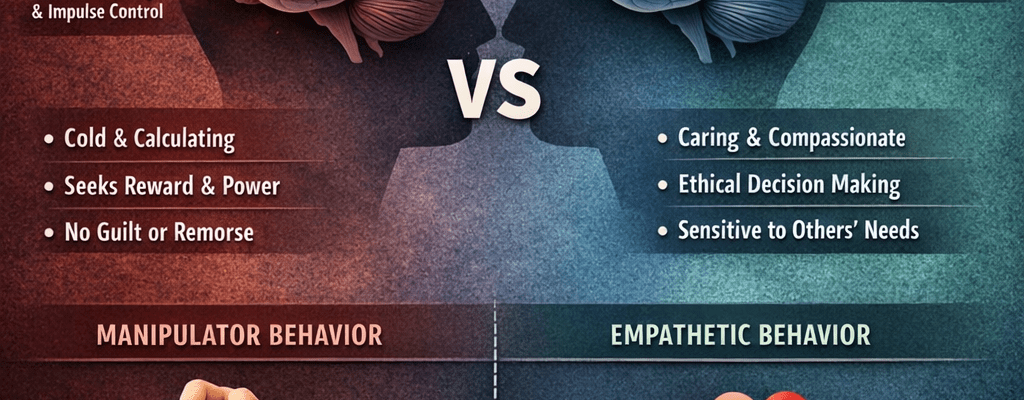
When psychologists assess someone with patterns like:
- long-term control
- revenge thinking
- financial manipulation
- lack of accountability
- ongoing conflict after separation
they’re not just looking at incidents — they’re looking at patterns across time, thinking style, and likelihood of change.
1. Using the HCR-20 in This Context
A professional would map behaviour like this:
Historical (H)
They would look for:
- Long history of controlling or coercive behaviour
- Previous threats, intimidation, or aggression
- Patterns across multiple relationships
- Financial control or exploitation over time
👉 This builds a picture of whether the behaviour is situational or lifelong.
Clinical (C)
Current behaviour is key:
- Ongoing anger or resentment
- Obsession with “being wronged”
- Need to regain control
- Lack of insight (“I’ve done nothing wrong”)
- Low impulse control
👉 This is where revenge-driven thinking becomes important.
If someone is still emotionally activated, risk is considered ongoing.
Risk Management (R)
This is where post-separation behaviour matters most:
- Are they escalating or calming down?
- Are they involving third parties?
- Are they trying to regain control through legal, financial, or social pressure?
- Do they respect boundaries or ignore them?
👉 If behaviour continues after separation, professionals often see this as increased risk, not reduced.
2. Using the PCL-R
This doesn’t label — it identifies traits.
In the behaviours you’ve described, professionals may look for:
- Manipulation → using people for financial or personal gain
- Lack of empathy → no concern for emotional or financial harm caused
- Superficial charm → presenting well when it benefits them
- Lack of remorse → no genuine accountability
- Entitlement → belief they deserve more (money, control, outcomes)
- Opportunistic behaviour → aligning with others when it suits them
👉 The key here is pattern + consistency.
The more consistent these traits are across situations, the more concern there is about:
- repeated behaviour
- resistance to change
- impact on others
3. What Structured Interviews Reveal
This is often where everything becomes very clear.
A professional would listen for:
Language patterns
- “They made me do it”
- “I had no choice”
- “They deserved it”
👉 Indicates externalising blame
Emotional tone
- Anger that feels current, not historical
- Lack of emotional depth when discussing harm
- Focus on injustice rather than responsibility
Thinking style
- Black-and-white thinking
- Obsession with fairness on their terms
- Inability to see another perspective
Relationship patterns
- Repeated conflict
- Breakdown of multiple relationships
- Ongoing disputes rather than resolution
The Key Professional Interpretation
When all three tools point in the same direction, professionals often conclude:
1. This is a pattern, not a phase
Not temporary behaviour — but ingrained functioning
2. The behaviour is reinforced, not weakening
Especially if it continues over years or decades
3. Lack of insight is the biggest risk factor
Without insight, there is:
- no motivation to change
- no internal correction
- continued repetition
4. Control is often the underlying driver
Not just anger — but a need to:
- dominate
- win
- regain power
What This Means Practically
From a professional standpoint, this often leads to:
- Focus on risk management, not “fixing the person”
- Strong emphasis on boundaries and structure
- Recognition that reasoning or explaining may not change behaviour
- Understanding that behaviour may persist or escalate under stress
Final Thought
When these tools are applied to long-term patterns like the ones you’re describing, the conclusion is usually not:
“this person will change with time”
But rather:
“this pattern will continue unless the person develops insight — and without that, others need to protect themselves accordingly.”

