When You Don’t See What Others See: The Neuroscience of Self-Perception, Trauma and Being Seen

Have you ever been told something about yourself repeatedly, yet somehow never really seen it yourself? Perhaps friends have said: “When you walk into a room, people notice you.” “Men are always looking at you.” “You don’t realise how attractive you are.” You may have dismissed it, laughed it off or simply not understood what… Read More When You Don’t See What Others See: The Neuroscience of Self-Perception, Trauma and Being Seen

Evidence-Based Treatments for Trauma and Complex PTSD

There are several evidence-based approaches to treating trauma. The most appropriate treatment depends on the type of trauma, whether the danger has ended, the person’s symptoms, and whether the trauma was single-event or prolonged/complex. Main treatments for trauma For complex or prolonged trauma Treatment often needs to be phased rather than simply focused on the traumatic memory… Read More Evidence-Based Treatments for Trauma and Complex PTSD

Addiction, Trauma & the Brain

Addiction, Trauma & the Brain Addiction can be difficult to understand — both for the person experiencing it and for the people around them. My approach looks at addiction through both neuroscience and psychology, recognising that addictive behaviour can involve changes in the brain’s reward, motivation, learning, stress and self-regulation systems. Addiction can involve alcohol, recreational drugs… Read More Addiction, Trauma & the Brain

Rebuild Your Self-Trust After Emotional Abuse

You may have left the relationship, but the self-doubt can remain. Emotional abuse can gradually undermine your confidence in your own thoughts, feelings, memories and decisions. You may find yourself constantly second-guessing yourself, apologising when you have done nothing wrong, feeling guilty for having needs, or wondering whether you were “the problem.” You weren’t too… Read More Rebuild Your Self-Trust After Emotional Abuse

When Abuse Changes the Way You See Yourself: Understanding the Psychology of Control—and Finding Your Way Back

If you have survived an abusive or controlling relationship, you may still be trying to understand what happened. You may ask yourself: Why did I stay?Why did I keep hoping things would change?Why did I start doubting myself?Why do I still feel anxious, even though I’m away from the relationship?Why is it so difficult to… Read More When Abuse Changes the Way You See Yourself: Understanding the Psychology of Control—and Finding Your Way Back

Generational Trauma, Addiction & Abuse

I have a particular interest in the complex relationship between generational trauma, addiction, emotional abuse and dysfunctional family patterns. Trauma does not always begin with the person seeking support. Sometimes the patterns we are struggling with today have developed within a family over many years or even generations. Children can grow up learning relationship patterns, emotional… Read More Generational Trauma, Addiction & Abuse

🌿 Investment & Ways to Work Together

Healing is deeply personal. Your support should feel the same. I believe you should always know exactly what you are investing before you begin. My approach is transparent, compassionate and individually tailored — with no hidden fees, no pressure and no long-term obligation. All sessions are: ✔ Confidential✔ Trauma-informed✔ Neuroscience-informed✔ Compassionate✔ Individually tailored 🌿 Individual Sessions… Read More 🌿 Investment & Ways to Work Together

When a Father Watches His Daughter Being Abused: The Pain of Parental Silence

There are few betrayals more painful for a daughter than being abused by someone she loves while a parent watches—and does nothing. We often assume that a father will instinctively protect his daughter. That when he sees a boyfriend, husband or partner hurting her, something inside him will say: “This is not acceptable. I need… Read More When a Father Watches His Daughter Being Abused: The Pain of Parental Silence

What can happen in the abuser’s brain during abusive behaviour?

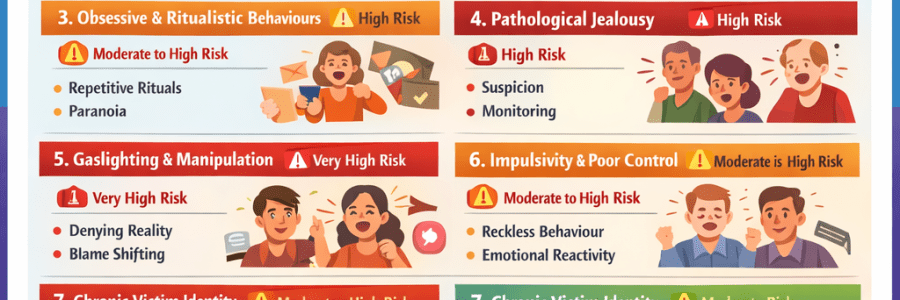
From a neuroscience perspective, abuse involves changes in the brain and nervous system of both the person being abused and, potentially, the person carrying out the abuse—but we have to be careful not to suggest that there is a single “abuser brain.” People become abusive through complex interactions among learning, personality, emotion regulation, beliefs, environment and… Read More What can happen in the abuser’s brain during abusive behaviour?

Main treatments for trauma

There are several evidence-based approaches to treating trauma. The most appropriate treatment depends on the type of trauma, whether the danger has ended, the person’s symptoms, and whether the trauma was single-event or prolonged/complex. Main treatments for trauma For complex or prolonged trauma Treatment often needs to be phased rather than simply focused on the traumatic memory… Read More Main treatments for trauma