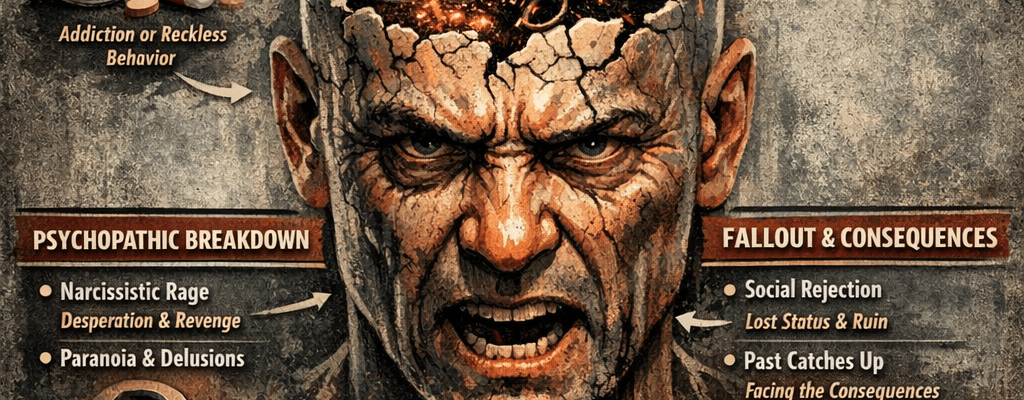
Low impulse control means having difficulty stopping yourself from acting on urges, emotions, or thoughts in the moment — even when you know the action might have negative consequences.
It’s not about intelligence or knowing right from wrong. It’s about the gap between feeling something and being able to pause before acting on it.
What it looks like in real life
Someone with low impulse control might:
- React quickly in anger (shouting, saying hurtful things)
- Make snap decisions without thinking them through
- Struggle to delay gratification (“I want it now”)
- Interrupt others or speak without filtering
- Engage in risky behaviours without considering consequences
- Find it hard to stop once emotionally triggered
It often feels like:
“I knew I shouldn’t have done that… but I just reacted.”
The neuroscience behind it (simple explanation)
Impulse control is largely managed by the prefrontal cortex — the part of the brain responsible for:
- Decision-making
- Self-control
- Weighing consequences
- Regulating behaviour
At the same time, emotional reactions come from more primitive parts of the brain (like the amygdala).
When impulse control is low:
- The emotional brain reacts quickly
- The “thinking” brain doesn’t step in fast enough to pause or regulate
- So behaviour becomes immediate rather than considered
Why some people have low impulse control
It can be influenced by:
- Long-term stress or trauma
- Learned behaviour (growing up in reactive environments)
- Personality traits
- Lack of emotional regulation skills
- Neurological or developmental factors
In some cases, it becomes a habitual pattern — especially if the person has never had to take accountability or learn alternative responses.
Important distinction
Low impulse control is not the same as losing control completely — it’s more about:
- reacting too quickly
- struggling to pause
- acting before thinking
And while it explains behaviour, it doesn’t excuse harmful actions — especially when it affects others.
Can it improve?
Yes — but only if the person is willing.
Improving impulse control involves:
- Developing awareness of triggers
- Learning to pause (even briefly) before reacting
- Practising emotional regulation
- Often working with therapy or coaching
Without that awareness and effort, the pattern usually continues.

