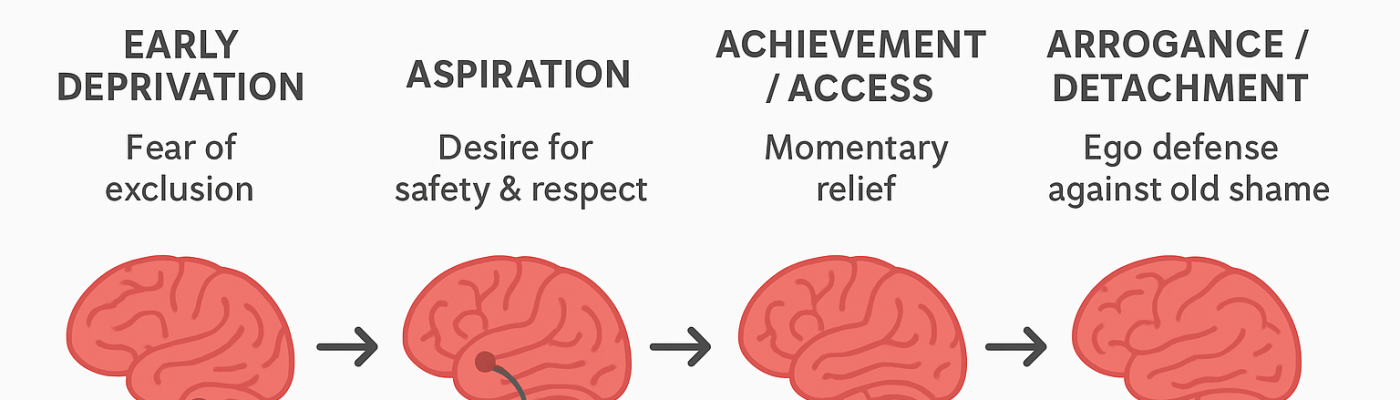
Predatory behavior often arises from unresolved psychological needs or personality patterns. Common factors include:
- Early trauma or neglect: People who experience abuse, neglect, or abandonment as children may develop deep insecurities. Some respond by controlling or exploiting others to regain a sense of power.
- Attachment issues: Insecure or disorganized attachment (where a child doesn’t form a healthy bond with caregivers) can lead to difficulty empathizing with others and increased manipulativeness.
- Personality traits: Traits like narcissism, psychopathy, or Machiavellianism—though not everyone with these traits becomes a predator—can increase the likelihood of exploiting others.
2. Family and Upbringing Factors
Certain family environments can shape predatory tendencies:
- Lack of healthy role models: If a child grows up seeing manipulation, deceit, or abuse rewarded or normalized, they may learn these as ways to succeed.
- Overvaluation or entitlement: Children who are overindulged, rarely disciplined, or taught they’re “above rules” may develop a sense of entitlement that fuels predatory behavior.
- Chronic instability or poverty: Extreme early-life stress can sometimes lead individuals to adopt survival strategies that disregard others’ well-being, later evolving into exploitative patterns.
3. Environmental and Social Factors
Beyond upbringing, society and environment can reinforce predatory tendencies:
- Opportunities for exploitation: High-stakes environments (wealth, dating platforms, workplaces with weak oversight) give predators chances to act without consequences.
- Cultural influences: In some cultures or subcultures, aggressive manipulation or sexual conquest is glorified, normalizing predatory behavior.
- Peer reinforcement: Groups that reward selfishness, charm, or ruthless behavior can encourage someone with latent tendencies to become more predatory.
4. Psychological Mechanisms
Predators often share certain thought patterns:
- Objectification of others: Seeing people as tools to achieve goals rather than human beings.
- Rationalization: Convincing themselves “it’s survival,” “she/he deserved it,” or “it’s just how the world works.”
- Lack of empathy: Some genuinely struggle to feel what others feel; others suppress empathy to justify their actions.
5. Not Inevitable
It’s important to note: not everyone with a difficult upbringing becomes a predator. Protective factors—like healthy mentorship, therapy, stable relationships, or moral guidance—can counteract risk factors. Predatory behavior is usually the result of multiple interacting influences, not one single cause.

