Incidents accident or not?
“Every incident is now photographed, documented, professionally inspected where appropriate, and logged. I no longer rely on assumptions—only on evidence.”
“Every incident is now photographed, documented, professionally inspected where appropriate, and logged. I no longer rely on assumptions—only on evidence.”
It won’t be because I want the relationship back or because I have any lingering romantic feelings. That chapter of my life has ended. The reason is much simpler. Over the past months, people have asked me what he looks like so they can recognise him if they happen to see him and let me… Read More After my divorce is final, I may choose to share a small number of photographs of us together.
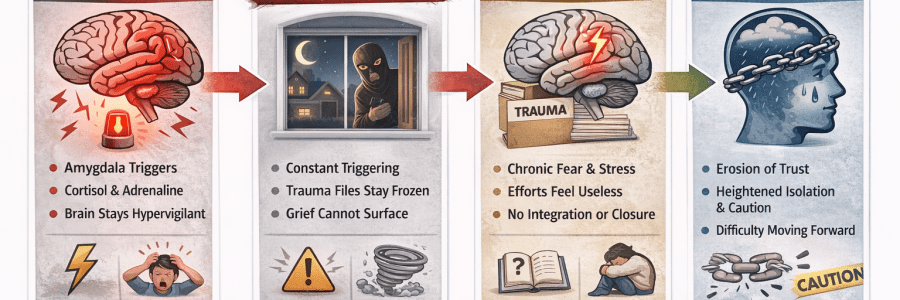
One of the lasting effects of coercive control is that the fear does not always end when the relationship ends. Sometimes it is not only the behaviour of the abusive partner that creates fear, but statements that have been made over the years, associations that have been mentioned, or the belief that other people may… Read More When Fear Extends Beyond the Relationship

As my divorce and financial settlement approach, my priority is no longer trying to understand someone else’s behaviour. My priority is my safety. The car is being checked. The security cameras are fully charged and ready. Friends are keeping an eye out. Family are checking in regularly. I have relatives here in Spain. I have… Read More My Focus Is No Longer on Fear. It Is on Safety.
For many survivors of domestic abuse, leaving the relationship is not the end of the risk—it can be the point at which the risk increases. Research and frontline experience have shown that abuse can escalate during separation, divorce proceedings, and disputes over finances, property, or child arrangements. When an abusive person feels they are losing… Read More Why the Period Around Separation Can Be the Most Dangerous

Gentlemen… Can we have a quick word? Stand up. No… properly. You’re looking for a partner, not trying to identify ants on the pavement. The Hunchback of Notre Dame wasn’t meant to be a dating coach. If your head is permanently hanging over your phone, your neck has disappeared and your shoulders are somewhere near… Read More 🚨 Dating Advice for the Over-50s… Because Apparently It Needs Saying. 🚨

Money is part of everyday life. Couples naturally talk about budgets, mortgages, pensions, savings, and future plans. The concern arises when money stops being a practical subject and becomes the lens through which everything and everyone is judged. Looking back, I realised that almost every conversation eventually came back to money. Not financial planning. Not… Read More When Money Becomes an Obsession Rather Than a Tool
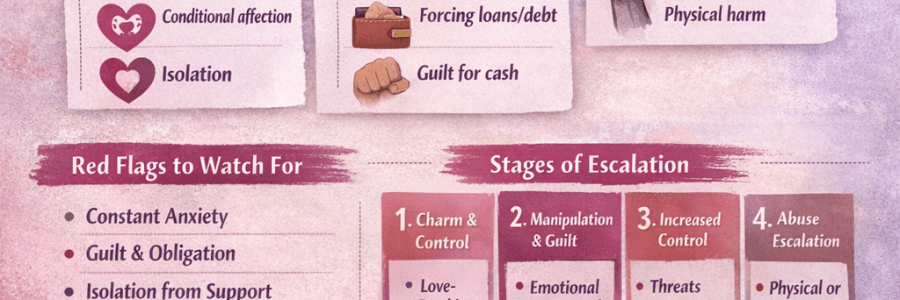
For decades, I believed that “just in case” meant love. I believed it meant protection. I believed it meant someone cared about me. So when I was asked for passwords, access to accounts, financial information, or to explain where I was, I didn’t see it as control. I saw it as trust. I saw it… Read More I Thought “Just in Case” Meant Love
Many abusive relationships begin with requests that sound caring or practical. “Give me your password… just in case.” “Let me have access to your bank account… just in case.” “I need your phone PIN… just in case.” “I should know everything… just in case.” At first, it can sound reasonable. You may even believe it… Read More “Just in Case” – Or Just Another Way to Gain Control?

Abuse can manifest beyond physical violence, encompassing control over a person’s freedom, finances, communication, and access to information. Warning signs include restricting movement, financial manipulation, and digital control. Healthy relationships are rooted in trust and equality; recognizing patterns of coercive behavior is vital for seeking help and support.… Read More Coercive and Controlling Behaviours: How Abusers Restrict Freedom

