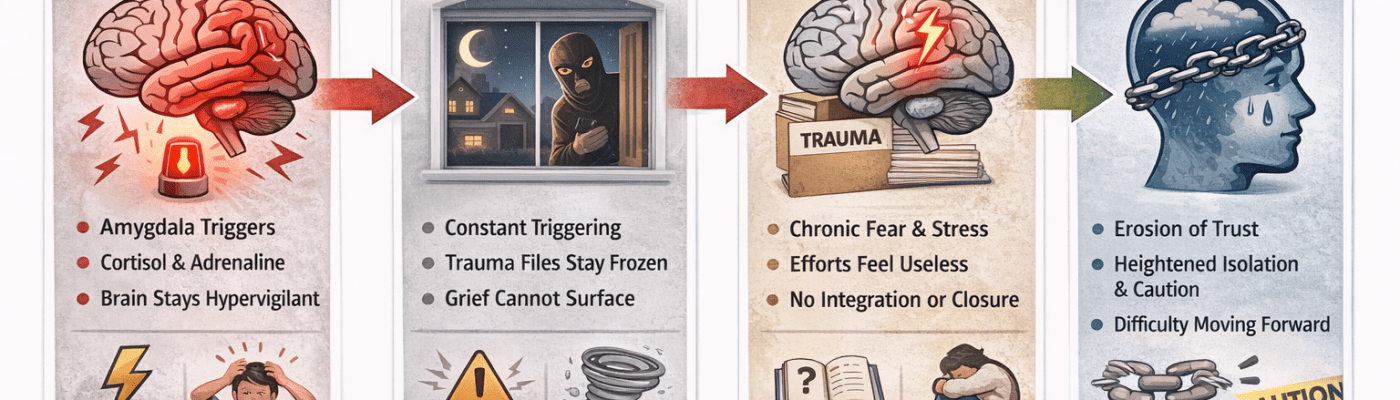
One of the lasting effects of coercive control is that the fear does not always end when the relationship ends.
Sometimes it is not only the behaviour of the abusive partner that creates fear, but statements that have been made over the years, associations that have been mentioned, or the belief that other people may become involved.
If someone has spoken about knowing dangerous people, boasted about criminal connections, or used those claims to intimidate or frighten you, those statements can have a lasting impact—even if they are never acted upon.
Whether those claims are true or exaggerated, they can leave someone feeling that the risk extends beyond one individual.
That fear can influence how safe a survivor feels, particularly during separation or legal proceedings.
No one should dismiss those fears without considering the full context. Equally, it is important not to assume that statements about criminal connections are true or that other people will become involved without evidence.
If previous threats, intimidation, or references to dangerous associates have caused you genuine concern, it is sensible to share that information with the relevant authorities or your legal representatives so they can consider it as part of any safety planning or risk assessment.
Survivors should never feel embarrassed about taking sensible precautions. Personal safety, careful planning, and keeping trusted people informed are responsible responses when someone has genuine concerns for their wellbeing.

