For decades, I believed that “just in case” meant love.
I believed it meant protection.
I believed it meant someone cared about me.
So when I was asked for passwords, access to accounts, financial information, or to explain where I was, I didn’t see it as control. I saw it as trust. I saw it as commitment. I believed that was what loving partners did.
It took me many years to understand that, in my relationship, “just in case” was not about caring for me. It had become about controlling me.
Little by little, my privacy disappeared.
My independence disappeared.
My financial freedom disappeared.
My ability to make decisions without being questioned disappeared.
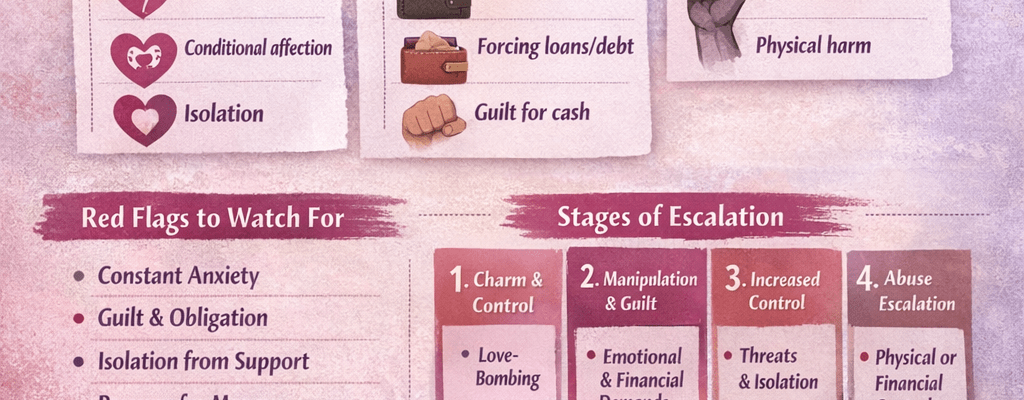
The requests never seemed unreasonable on their own. It was only when I looked back over decades that I saw the pattern. Each small concession gave away another piece of my autonomy until control had become normal.
That is one of the most damaging aspects of coercive control. It often doesn’t arrive suddenly. It grows slowly, disguised as concern, responsibility, protection, or love.
Looking back, I now understand that healthy love does not require someone to surrender their identity, privacy, independence, or financial freedom.
Healthy love is built on trust, respect, equality, and choice.
Control is built on fear, obligation, guilt, and the gradual loss of freedom.
If sharing information is truly about emergency planning, it should always be a mutual choice, never a demand. You should always be free to say no without fear of punishment, suspicion, or intimidation.
One of the hardest lessons I have learned is this:
Control often wears the mask of care.
Recognising that difference changed my life.

