When Domestic Abuse Crosses Into Child Abuse

Understanding the Overlap Between Intimate Partner Violence and Harm to Children Domestic abuse and child abuse are often discussed as separate issues. In reality, they frequently exist within the same household and can be driven by the same underlying patterns of coercion, control, and entitlement. Research consistently shows that while not every person who abuses… Read More When Domestic Abuse Crosses Into Child Abuse

Someone approaching protected spaces

In Spain, police can intervene immediately (sometimes within minutes) if there is any indication of current risk, escalation, or potential breach of safety, especially in domestic violence or harassment-related contexts. Here’s what typically triggers immediate police action: 🚨 1. Active or imminent threat Police respond immediately if there is: Threats of harm or intimidation (“I’m coming to your house”,… Read More Someone approaching protected spaces

🛑 Immediately after leaving (first hours–24 hours)

Where you go after escaping a volatile situation depends on safety, privacy, and stability first — not distance or emotion. Here’s a grounded, practical guide: 🛑 Immediately after leaving (first hours–24 hours) Go somewhere: Safe and undisclosed Where you won’t be easily found or pressured Ideally with trusted people or professional support Good options: A trusted friend… Read More 🛑 Immediately after leaving (first hours–24 hours)

Different Types of Abuse: Recognising Harmful Patterns and Warning Signs

Type of Abuse What It Looks Like Common Warning Signs Physical Abuse The use or threat of physical force to intimidate or cause harm. Hitting, pushing, grabbing, restraining, blocking exits, throwing objects, unexplained injuries, threats of violence. Psychological / Emotional Abuse Behaviour that damages confidence, identity or emotional wellbeing. Constant criticism, humiliation, insults, silent treatment,… Read More Different Types of Abuse: Recognising Harmful Patterns and Warning Signs

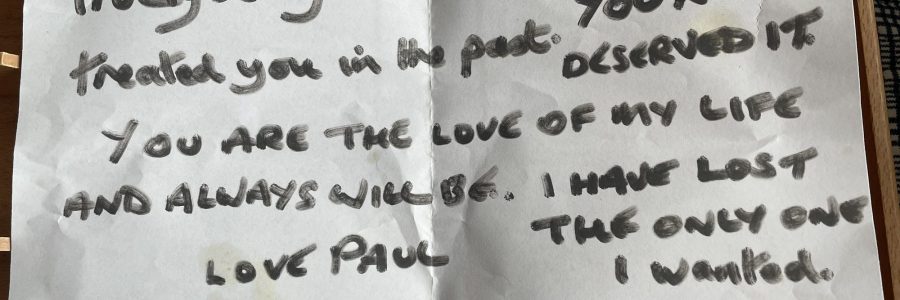
The Hidden Confession: When Private Regret and Public Image Don’t Match

“He could never have done those things. He’s such a nice man.” These are some of the most painful words survivors of coercive control and emotional abuse hear. Friends, family and neighbours often judge a person by the version they see: charming, funny, generous and helpful. Meanwhile, behind closed doors, another reality exists—one known only… Read More The Hidden Confession: When Private Regret and Public Image Don’t Match

Hidden Agendas

Sometimes people do propose marriage primarily because they are seeking financial stability, security, housing, immigration status, lifestyle support, or rescue from personal difficulties rather than genuine emotional partnership. That does not automatically mean: they are evil, running a criminal scheme, or secretly plotting something dramatic. Often it is more human—and more uncomfortable—than that. People may… Read More Hidden Agendas

Forensic Investigations

When police seize hard drives, phones, and other digital devices in a criminal investigation, they typically follow a digital forensics process designed to preserve evidence and make it admissible in court. Typical steps include: 1. Seizure and chain of custody The first priority is preserving evidence: devices are bagged/labeled every person handling them is logged this “chain… Read More Forensic Investigations

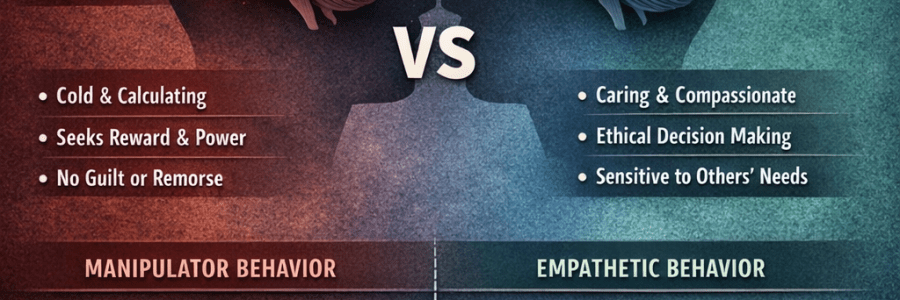
Abuse is a choice — and that distinction matters

Iin psychology and domestic abuse research, abuse is generally understood as a pattern of chosen behaviours used to gain power, control, intimidation, or dominance over another person. Abuse is a choice — and that distinction matters People can have: anger trauma insecurity stress mental health struggles without becoming abusive. What separates abuse from emotional difficulty… Read More Abuse is a choice — and that distinction matters