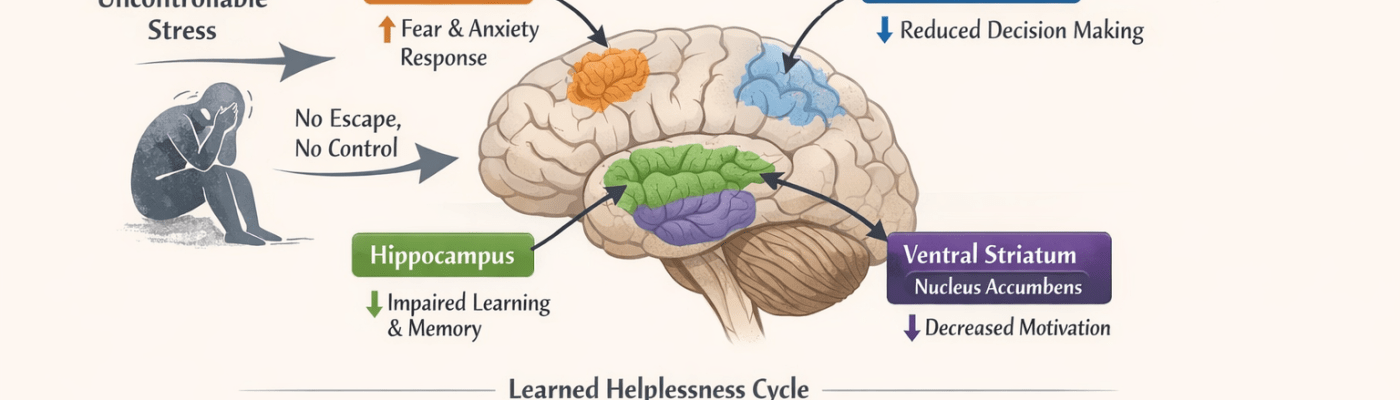
This is a particularly important stage in the process because the assessment can sometimes be the moment when a person finally sees the full extent of what they have lived through.
When abuse has continued for years or decades, it can become psychologically normalised. What initially felt shocking may gradually become “just how things are.” The person adapts in order to function.
Then an assessment can provide a very different perspective:
“That wasn’t simply a difficult relationship. There was a sustained pattern of abuse and control.”
That realisation can be both validating and devastating.
When normalisation begins to break down
Long-term exposure can produce a form of psychological adaptation in which behaviours that would appear clearly unacceptable to an outside observer become incorporated into everyday life.
The person may think:
- Everyone has arguments.
- He’s under a lot of pressure.
- It wasn’t really that bad.
- At least he didn’t do X.
- I knew how to keep the peace.
- I just learned to live with it.
- There were good times too.
This does not mean the person was accepting the abuse.
It may mean they were adapting to an environment they could not easily change.
Over time, the abnormal can become familiar.
Then comes the assessment
A structured clinical assessment can bring previously disconnected experiences together.
The person may suddenly recognise that:
- financial control was not simply “being careful with money”;
- isolation was not simply “drifting apart from friends”;
- humiliation was not simply “his personality”;
- intimidation was not simply “having arguments”;
- monitoring was not simply “jealousy”;
- physical violence was not an isolated incident;
- and these behaviours were interacting with one another.
The significance can be overwhelming.
There can be grief, anger, disbelief, shame and even mourning for the years that have been lost.
There may also be a strange contradiction:
“How could I have lived through all of that and not realised how serious it was?”
The answer is that surviving something and fully understanding it are not the same thing.
And then there can be another wound: the family response
For some survivors, the assessment provides recognition that they have been missing for years.
But relatives may respond very differently.
They may minimise what happened:
“It wasn’t that bad.”
“You know what he’s like.”
“Why didn’t you leave?”
“We don’t want to get involved.”
“Let’s just forget about it.”
Or they may actively try to preserve the family’s version of events.
This can be profoundly painful because the survivor may have hoped that, once they finally spoke, someone who had known them for years would say, “I believe you. I can see it now.”
Instead, they may encounter silence, denial or avoidance.
Why might relatives respond this way?
There can be many reasons, and they should not automatically be interpreted as evidence that relatives secretly agree with the abuse.
Family members may:
- find the reality too painful to confront;
- fear conflict or consequences;
- feel loyalty towards the perpetrator;
- have developed their own way of coping with the family situation;
- feel guilty about what they did or did not recognise;
- have witnessed events but interpreted them differently;
- prefer maintaining family stability over confronting what happened;
- struggle to accept that someone they know could behave abusively.
Sometimes denial protects the family system from having to change.
But whatever the reason, the consequence for the survivor can be devastating.
Family silence can become a second layer of trauma
There is an important distinction between the original abuse and what happens afterwards.
The abuse may have created the original injury.
The subsequent denial, minimisation or refusal to acknowledge it can compound the injury.
The survivor may begin questioning themselves again:
“Maybe I really did exaggerate it.”
“If my own family doesn’t think it was serious, perhaps it wasn’t.”
This is where professional assessment can be particularly important.
The family’s willingness—or unwillingness—to acknowledge what happened does not determine the clinical significance of the person’s experience.
A relative’s denial is not a clinical assessment.
The survivor may also experience grief
Once the reality becomes clearer, there can be grief for much more than the relationship itself.
They may grieve:
- the person they thought their partner was;
- the life they believed they were going to have;
- lost opportunities;
- lost confidence;
- lost relationships;
- years spent adapting rather than living;
- the version of themselves that existed before the abuse;
- and sometimes the family support they had hoped would be there when they finally spoke.
This is why leaving an abusive relationship does not necessarily mean the emotional journey is finished.
Physical freedom and psychological freedom are different processes.
What is needed at this stage?
This is often the point where therapy needs to move carefully.
The survivor may need help to integrate the new understanding without becoming overwhelmed by it.
The work can involve:
Recognition
“This happened, and it mattered.”
Meaning-making
“Now I understand why certain things affected me in the way they did.”
De-shaming
“What happened was not evidence of my weakness or failure.”
Grieving
“I am allowed to grieve what I lost.”
Rebuilding identity
“I am more than what happened to me.”
Restoring agency
“I get to decide what happens in my life now.”
And eventually:
Integration
“This is part of my history, but it does not have to remain the definition of my future.”
Perhaps the most important distinction
A person who has normalised abuse for decades does not need to be told:
“How could you have allowed this to happen for so long?”
They need help understanding:
“What did you have to do psychologically to survive an environment that had become your normal?”
That is a very different question.
And sometimes the most painful moment is not when the survivor finally realises how serious the abuse was.
It is when they realise how long they had been living without anyone around them being willing to name it.

