Kindness Costs Nothing — Yet Some People Still Refuse to Give It

Kindness costs nothing. No money.No status.No special privilege. And yet, for some people, it seems to be the hardest thing in the world to offer. That truth can be difficult to understand—especially if you are someone who gives kindness naturally. If you are someone who considers others, who chooses your words carefully, who would rather… Read More Kindness Costs Nothing — Yet Some People Still Refuse to Give It

Ambiguous Deprivation: The Invisible Loss That Shapes Us

Psychologists sometimes refer to a subtle but deeply impactful experience as ambiguous deprivation.It’s not about something dramatic that happened to you.It’s about what didn’t. It’s the quiet absence of what should have been there: Affection that was never freely given Safety that was never consistently modeled Freedom that was quietly restricted Emotional support that never quite arrived… Read More Ambiguous Deprivation: The Invisible Loss That Shapes Us

Why an abusive person can seem calm right after harming you

1. Their stress system just discharged Before the outburst, their brain is often in a high-alert state: threat sensitivity (amygdala firing) rising tension internal pressure When they lash out (verbally, emotionally, or physically), it can act like a release valve. So their body goes from:high stress → discharge → relief That relief can look like: sudden… Read More Why an abusive person can seem calm right after harming you

How certain brain systems work together 

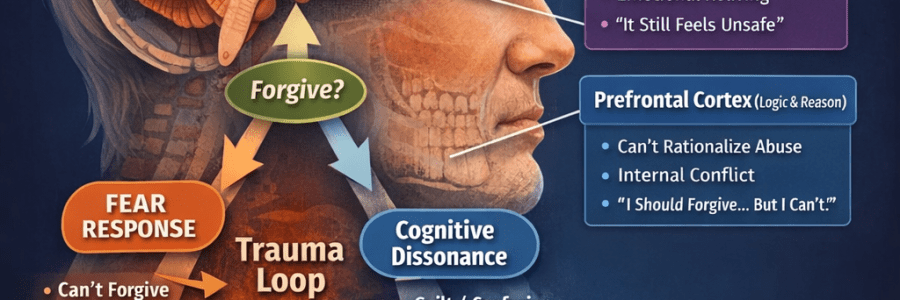
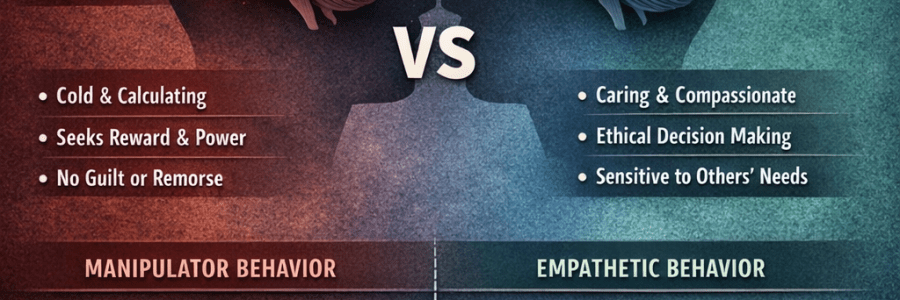
From a neuroscience perspective, the difference is often not that one person has a “bad brain” and another has a “good brain.”It is more about how certain brain systems work together — especially the systems for: empathy emotional regulation fear/anger response conscience impulse control 1. The brain of someone who may become abusive Research shows some abusive… Read More How certain brain systems work together 

High-Risk vs Manageable Behaviour: What Professionals Look For

When psychologists or risk assessors use tools like the HCR-20 or PCL-R, they are not guessing — they are looking for specific patterns that predict escalation or persistence. 🚩 High-Risk Red Flags These are the behaviours that raise serious concern because they are linked to ongoing or escalating harm: 1. Persistence Over Time Behaviour continues for years or decades No… Read More High-Risk vs Manageable Behaviour: What Professionals Look For