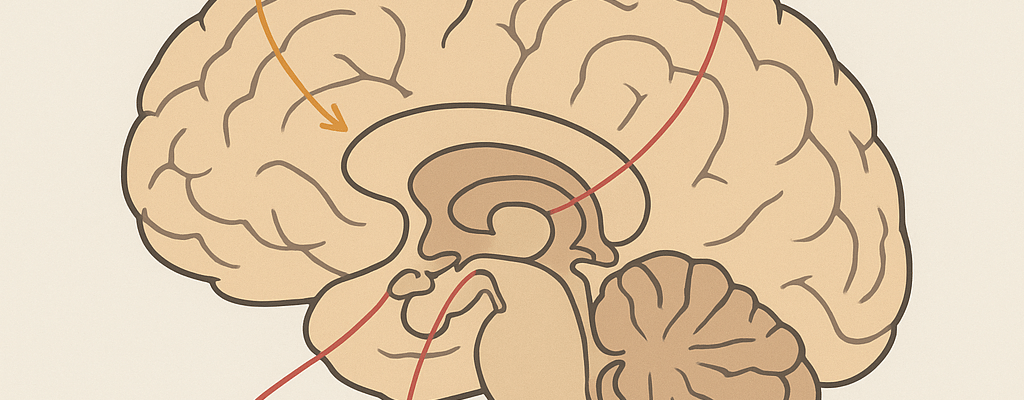
When affection, intimacy and physical closeness become instruments of power, rejection and control in a relationship.
Introduction: When affection becomes conditional
Intimacy is an important part of many relationships. It can provide reassurance, connection, pleasure, comfort and a sense of being wanted.
But what happens when affection disappears whenever one partner disagrees, challenges the other, establishes a boundary or refuses to comply?
What happens when physical closeness is offered when someone wants something, but withdrawn when they are unhappy?
And what happens when one partner begins to feel that they must behave in a particular way to receive affection?
This is where we need to distinguish ordinary relationship difficulties from deliberate emotional or sexual manipulation.
Withholding as punishment occurs when affection, intimacy, communication or attention is deliberately withdrawn to punish, pressure, destabilise or influence another person’s behaviour.
It is not the same as simply having a low sex drive, needing personal space or not feeling emotionally ready for intimacy.
The intention, context, pattern and impact matter.
1. What is emotional withholding?
Emotional withholding involves deliberately restricting affection, reassurance, communication or emotional availability.
It can include:
- Refusing ordinary affection after an argument.
- Withdrawing warmth until the other person apologises.
- Ignoring a partner to make them feel anxious.
- Refusing to discuss problems as a form of punishment.
- Becoming affectionate again only when the partner complies.
- Withholding reassurance to create insecurity.
- Using silence to make someone feel rejected or powerless.
The psychological message can become:
“If you do not behave as I want, I will withdraw the affection you need.”
Over time, the other partner may start monitoring their own behaviour to avoid emotional rejection.
They may stop raising difficult subjects, expressing disagreement or establishing boundaries because they fear losing affection.
This can create an unequal relationship in which one person’s emotional needs determine the conditions under which the other receives warmth and connection.
2. Sexual withholding as punishment
Sexual withholding is more complicated because nobody owes another person sex.
Every individual has the absolute right to decline sexual activity, regardless of whether they are married, in a long-term relationship or have previously consented.
There are many legitimate reasons someone may not want sex:
- Stress.
- Exhaustion.
- Illness.
- Hormonal changes.
- Relationship difficulties.
- Depression.
- Medication.
- Loss of sexual desire.
- Feeling emotionally disconnected.
These are not abusive behaviours.
The concern arises when sex is deliberately turned into a bargaining tool or punishment.
For example:
- Refusing intimacy specifically to punish a partner for disagreeing.
- Withholding sexual affection until the partner apologises.
- Making sexual access conditional on obedience.
- Deliberately creating insecurity about sexual desirability.
- Using affection and sexual contact intermittently to maintain influence.
- Making a partner feel that they must earn physical affection.
The distinction is not whether someone says no to sex.
It is whether sexual intimacy is being used as part of a wider pattern of coercion, manipulation or punishment.
Nobody owes anyone sex, but nobody should use another person’s sexual vulnerability as a weapon.
3. The psychology behind withholding
Why would someone deliberately withdraw affection?
Several psychological processes may contribute.
A. Power and control
Withholding can become a way of establishing who determines the emotional conditions of the relationship.
One partner decides when affection is available, when communication resumes and when the other person is allowed to feel reassured.
The other partner becomes increasingly preoccupied with restoring the connection.
B. Punishment and conditioning
Behavioural psychology offers a useful way to understand this.
If affection is repeatedly withdrawn following disagreement, the partner may begin associating independence or disagreement with emotional pain.
They may gradually learn to avoid certain behaviours to prevent rejection.
This is a form of learned behavioural adaptation.
It does not mean every episode of withdrawal is a calculated conditioning strategy.
C. Avoiding vulnerability
Some people withdraw because they cannot manage difficult emotions or conflict.
They may lack the communication skills to express anger, disappointment or emotional needs.
This can be unhealthy without necessarily being deliberately manipulative.
D. Entitlement
In some controlling relationships, one person believes their emotional needs should take priority.
They may expect attention, sex, affection and compliance while showing little interest in the other person’s needs.
This creates a relationship based on unequal emotional expectations.
4. The difference between healthy space and punitive silence
This distinction is extremely important.
| Healthy emotional space | Punitive withdrawal |
|---|---|
| “I need some time to calm down.” | Silence intended to cause distress |
| Explains the need for space | Leaves the partner uncertain |
| Agrees to return to the conversation | Refuses communication indefinitely |
| Respects both people’s feelings | Uses distress as leverage |
| Allows disagreement | Punishes disagreement |
| Aims to regulate emotions | Aims to influence behaviour |
A healthy person may need time away from a difficult conversation.
They might say:
“I’m upset and need an hour to myself. Let’s talk this evening.”
That is very different from refusing to acknowledge someone’s existence for days until they apologise or give in.
The difference is communication, purpose, context and whether the withdrawal is used to exert pressure.
5. Intermittent affection: Why it can be so confusing
One particularly confusing pattern is inconsistent affection.
Sometimes the partner is warm, loving, attentive and physically affectionate.
At other times they become distant, cold, rejecting or unavailable.
The unpredictability can leave the other person continually trying to understand what has changed.
They may think:
- Have I done something wrong?
- Are they no longer attracted to me?
- What can I do to make things better?
- Why were they affectionate yesterday but distant today?
- If I change my behaviour, will the affection return?
Psychologically, unpredictable rewards can strengthen persistent attempts to obtain a desired response.
This is related to intermittent reinforcement.
It is important not to overstate the concept: inconsistent affection does not automatically mean someone is deliberately conditioning their partner.
However, when affection repeatedly returns after compliance and disappears after disagreement, it can become part of a controlling relationship pattern.
6. What happens to the partner who experiences this?
The emotional consequences can be considerable.
A person may begin to experience:
- Rejection.
- Sexual insecurity.
- Reduced self-esteem.
- Anxiety around intimacy.
- Fear of expressing disagreement.
- Loneliness within the relationship.
- Confusion about whether they are loved.
- A growing need for reassurance.
Some people start trying harder and harder to obtain the affection that previously came naturally.
They may become increasingly accommodating, suppress their needs and avoid difficult conversations.
Eventually, intimacy can stop feeling spontaneous and become something they feel they must earn.
This is a damaging shift.
Affection should be freely given, not used as payment for compliance.
7. Is withholding associated with ASPD?
It can occur in individuals with ASPD, but it is not a diagnostic feature in itself.
Some individuals with antisocial traits may use interpersonal relationships instrumentally, prioritising their own gratification or interests.
They may demonstrate limited concern for the emotional consequences of withdrawing affection.
However, emotional withholding can also occur in relationships involving:
- Narcissistic traits.
- Insecure attachment.
- Poor emotional regulation.
- Avoidant relationship patterns.
- Resentment.
- Immature conflict management.
- Coercive control without any personality disorder.
We cannot determine someone’s diagnosis by observing their sexual or emotional behaviour.
It is more useful to examine the repeated pattern and its impact.
8. The neuroscience of rejection and emotional deprivation
Social rejection can activate brain systems involved in emotional distress and threat processing.
Research has identified involvement of regions including the anterior insula and anterior cingulate cortex during experiences of social exclusion and rejection.
Repeated emotional uncertainty may also contribute to prolonged stress responses.
When affection becomes unpredictable, the person may remain highly alert to changes in their partner’s mood and behaviour.
They can become preoccupied with trying to restore emotional safety.
This can contribute to:
- Hypervigilance.
- Anxiety.
- Rumination.
- Sleep disturbance.
- Difficulty relaxing.
- Reduced confidence.
It is important to distinguish ordinary relationship disappointment from chronic stress associated with sustained emotional abuse.
9. Withholding versus healthy boundaries
There is an important distinction that should never be overlooked.
A person is entitled to withdraw from sexual activity or physical contact at any time.
They are also entitled to end a relationship, decline affection or request space.
A healthy boundary might be:
“I don’t feel emotionally connected at the moment, and I don’t want to have sex until we have addressed what is happening between us.”
That is honest communication.
Punitive withholding might look like:
“You will not get any affection from me until you do what I want.”
That is conditional affection used as leverage.
The same outward behaviour — not having sex — can therefore have very different meanings depending on context and intention.
10. Recognising the pattern
Here is a useful comparison for people trying to understand their own relationships.
| Healthy relationship | Potentially controlling pattern |
|---|---|
| Affection is freely expressed | Affection is conditional |
| Sexual boundaries are respected | Sex is used as leverage |
| Disagreements are discussed | Disagreements are punished |
| Space is communicated | Silence creates uncertainty |
| Both partners’ needs matter | One person’s needs dominate |
| Intimacy creates connection | Intimacy creates obligation |
| Apologies lead to discussion and change | Affection returns without accountability |
One incident does not establish a pattern of abuse. Look at repetition, context, coercion and the effect on the other person’s freedom.
11. Reclaiming emotional and sexual independence
For someone leaving a relationship where affection has been conditional, recovery can involve rediscovering what intimacy means without fear or obligation.
This may include:
- Recognising that you never have to earn basic kindness.
- Understanding that your sexual needs and boundaries matter.
- Separating your self-worth from another person’s sexual interest.
- Learning to recognise affection that is consistent rather than conditional.
- Rebuilding confidence in expressing your needs.
- Understanding that saying no is not rejection or punishment.
- Choosing relationships where intimacy is mutual and emotionally safe.
You should be able to enjoy physical affection without wondering what it will cost you emotionally.
12. The central message
There is a profound difference between someone who does not want sex and someone who uses sex to control another person.
There is a difference between someone who needs space and someone who uses silence to punish.
There is a difference between someone who struggles to express affection and someone who deliberately withdraws it to make another person comply.
These distinctions matter.
Not every relationship problem is abuse, and not every mismatch in sexual desire is manipulation.
But when affection, intimacy and communication repeatedly become conditional on obedience, the relationship can develop a coercive dynamic.
Love should never require you to negotiate for the right to feel wanted, valued or respected.
Sex is not an obligation. Affection is not a bargaining chip. Emotional connection should not be a reward for compliance.

