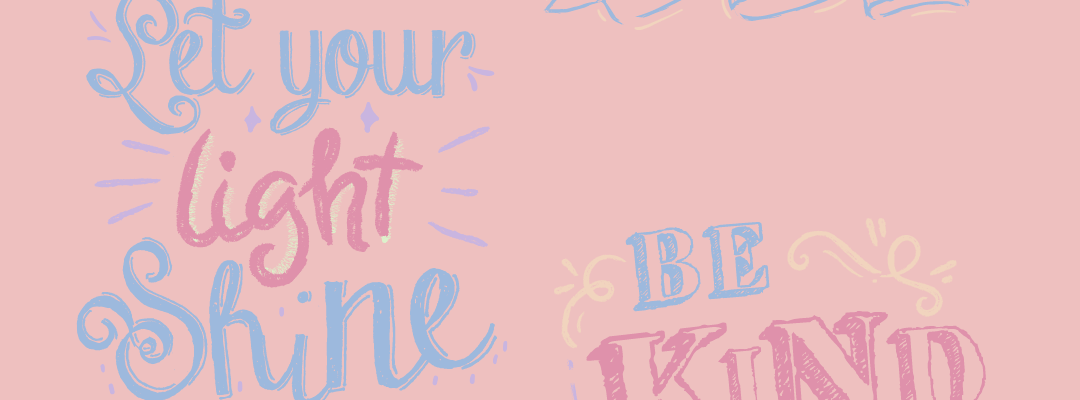
Kindness costs nothing.
No money.
No status.
No special privilege.
And yet, for some people, it seems to be the hardest thing in the world to offer.
That truth can be difficult to understand—especially if you are someone who gives kindness naturally. If you are someone who considers others, who chooses your words carefully, who would rather build someone up than tear them down.
Because from that perspective, kindness feels simple. Obvious, even.
So why do some people seem to have so little of it?
The answer is not always comfortable.
Sometimes, a lack of kindness comes from unresolved anger.
Sometimes, from insecurity.
Sometimes, from learned behaviour—growing up in environments where harshness was normal and empathy was absent.
And sometimes, it is something more deliberate.
Because kindness requires awareness.
It requires empathy.
It requires the ability to see beyond your own needs and recognise the impact of your behaviour on others.
Not everyone is willing—or able—to do that.
But here is where it becomes important to stay grounded:
A lack of kindness in others is not a reflection of your worth.
It can feel personal.
It can feel targeted.
It can leave you questioning yourself.
But often, it says far more about them than it ever will about you.
That doesn’t mean you should accept it.
Being kind does not mean tolerating unkindness.
Being understanding does not mean excusing harmful behaviour.
And having a soft heart does not mean allowing people to treat you poorly.
There is strength in kindness—but there is also strength in boundaries.
You can choose to remain kind without staying available to those who are not.
You can walk away without becoming cold.
You can protect your energy without losing your humanity.
Because true kindness is not weakness.
It is a conscious choice.
A quiet strength.
And in a world where some people seem to withhold it so easily, choosing to keep yours—wisely, and with discernment—is something to be proud of.
Kindness costs nothing.
But it is never worthless.

