Healthy Trust-Building Timeline (after early vulnerability)
🔹 Phase 1: Early connection (0–2 weeks / 1–4 dates) What’s normal: Light getting to know each other Some personal sharing, but still controlled Curiosity + attraction, not emotional dependence If you’ve shared something vulnerable here: A healthy person responds calmly Then behaviour returns to normal dating pace 👉 Key sign: nothing suddenly accelerates 🔹 Phase… Read More Healthy Trust-Building Timeline (after early vulnerability)
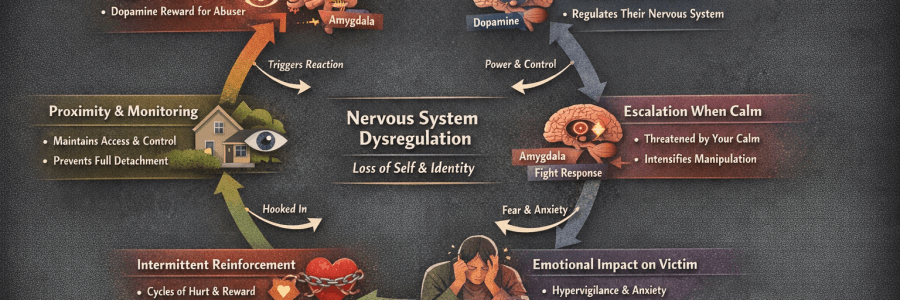
Subtle manipulation signs after you share past abuse

🔹 1. “Fast protector” behaviour (too intense too quickly) They suddenly become: overly protective angry on your behalf “I’ll never let anyone hurt you” very early 👉 Why it can be a red flag:It may feel caring, but can be used to create fast emotional bonding and dependence. ✔ Healthy response = calm empathy⚠️ Risk response… Read More Subtle manipulation signs after you share past abuse

High-Conflict Personality Red Flag Checklist (Dating & Early Relationships)

🔹 1. Chronic blame pattern They repeatedly blame exes, bosses, family, or “everyone else” They rarely describe their own role in conflict Their story always has a clear villain (never shared responsibility) 👉 Pattern: no accountability over time 🔹 2. Ongoing conflict history Multiple “dramatic” breakups or legal disputes Frequent falling-outs with friends or family Life… Read More High-Conflict Personality Red Flag Checklist (Dating & Early Relationships)

What can be warning signs of abusive or controlling behaviour

If someone consistently shows several of these patterns, it can indicate high-risk behaviour: 🔹 1. Ongoing high-conflict legal battles Repeated court cases with multiple people Constant escalation instead of resolution Refusal to settle or move forward 👉 Pattern matters more than who “started it” 🔹 2. Blaming ex-partners for everything “My ex is evil /… Read More What can be warning signs of abusive or controlling behaviour

Early signs of a predatory / highly manipulative dating pattern

🔹 1. Fast “hooking” behaviour (love bombing) Overwhelming attention very early “You’re different from everyone else” quickly Talks about destiny, soul connection, or intense future ideas Pushes emotional closeness before real knowledge exists 👉 Purpose: create fast attachment so boundaries weaken 🔹 2. Instant emotional mirroring Quickly adapts to what you like, want, or believe… Read More Early signs of a predatory / highly manipulative dating pattern

WARNING: Hidden Abuse in New Relationships (Covert Control Tactics)

Some people entering new relationships may not show abusive behaviour openly at first. Instead, they may hide it behind a carefully managed story and image. Be aware of these possible patterns: 🚩 1. Carefully controlled “victim story” They may present themselves as: the one who was always wronged in past relationships unfairly treated by ex-partners constantly… Read More WARNING: Hidden Abuse in New Relationships (Covert Control Tactics)

Early signs of a potentially abusive rebound pattern

🔹 1. Fast emotional intensity (“love bombing”) Very intense early affection (“you’re my soulmate”, “I’ve never felt this before”) Rapid attachment, wanting exclusivity quickly Overwhelming attention early on 👉 Rebound + intensity can be about hooking you before you see inconsistencies 🔹 2. Subtle control disguised as care “I just worry about you…” (but it becomes… Read More Early signs of a potentially abusive rebound pattern

Signs a man may still be married or in a relationship

🔹 1. Limited availability (on a pattern) Only free at specific times (e.g. weekdays, daytime, late nights) Rarely available weekends or holidays👉 That’s often when partners/family time happens 🔹 2. Last-minute or controlled plans Contacts you same day only Doesn’t plan ahead Cancels unpredictably 👉 He’s working around someone else’s schedule 🔹 3. You never go… Read More Signs a man may still be married or in a relationship

Destructive Behaviour

Destructive behaviour in marriages and relationships isn’t always obvious at first—it often builds slowly and becomes “normalised” over time. Understanding the patterns is the first step to protecting yourself and making clear decisions. 🔴 Common destructive behaviours 1. Lack of communication or avoidance Shutting down, ignoring, or refusing to talk about issues “Silent treatment” used… Read More Destructive Behaviour