When the Mind Protects Us From the Truth: The Psychology of a Life Lived in Denial

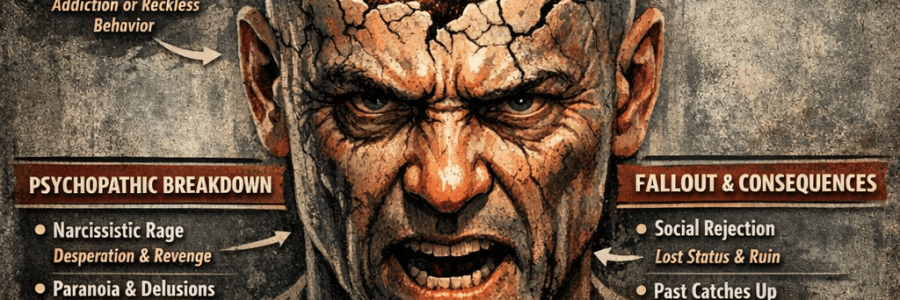
The text explores the psychological mechanisms individuals use to avoid confronting the truth about their harmful behaviors. It discusses cognitive dissonance, self-deception, and denial, noting how these defenses protect self-image but hinder personal growth. Emphasizing the importance of accountability over shame, it highlights the potential for change through acknowledging reality.… Read More When the Mind Protects Us From the Truth: The Psychology of a Life Lived in Denial

Care, But Don’t Abandon Your Dignity to Prove That You Care

Self-respect in relationships means maintaining personal boundaries while allowing love to flourish. Misconceptions exist that love requires competition and self-abandonment. True love respects dignity and avoids emotional games, prompting honest communication and mutual choice. Healthy relationships let individuals value themselves while caring deeply without compromising their worth.… Read More Care, But Don’t Abandon Your Dignity to Prove That You Care

People With Self-Respect Don’t Play Head Games

In relationships, responding to emotional games with indifference showcases self-respect. Healthy individuals refuse to compete for affection and instead maintain boundaries, acknowledging that another’s behavior is their responsibility. A mature relationship should not rely on manipulation or jealousy to affirm love, but instead foster open communication and respect for each other’s feelings.… Read More People With Self-Respect Don’t Play Head Games

Be Careful What You Test For — Because Sometimes You Get the Answer

Long-term relationships can suffer when partners resort to emotional games for reassurance, such as becoming distant or provoking jealousy. These behaviors often stem from insecurity and can lead to misunderstandings. Instead of testing their partner’s feelings, individuals should engage in open conversations to address underlying issues, fostering genuine intimacy.… Read More Be Careful What You Test For — Because Sometimes You Get the Answer

Two Years Later: When You Can Finally Breathe Again

Two years after leaving an abusive environment, the individual discovers the profound transformation of their existence. They shift from survival to genuine living, where silence becomes peaceful and ordinary moments regain significance. Recovery involves redefining identity and addressing the past without fear, ultimately embracing a life of choice, safety, and self-ownership.… Read More Two Years Later: When You Can Finally Breathe Again

No – I never deserved it!

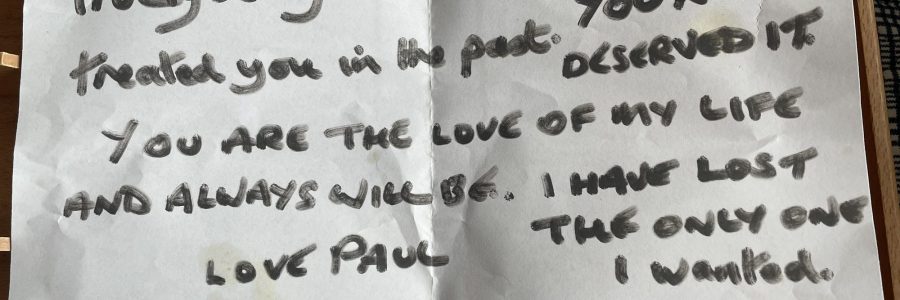
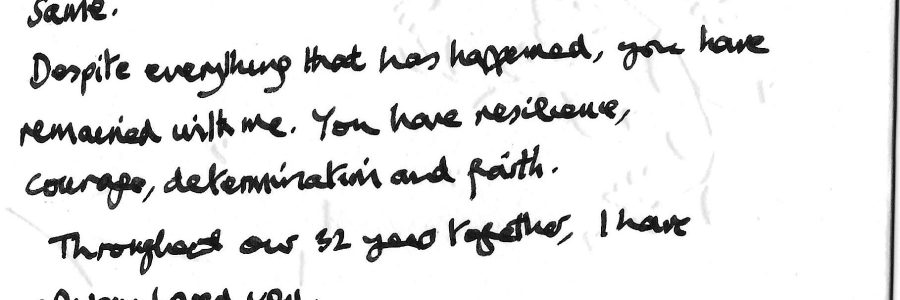
The content explores the nuances of an apology from someone who has caused emotional and psychological harm. While expressing remorse and acknowledging wrongdoing, the writer avoids specific details of their abusive behavior. The distinction between genuine regret and a lack of accountability is emphasized, as well as the complexity of acknowledging past suffering while grappling with loss. Ultimately, it stresses that recognizing abuse and sincerity can coexist, alongside the critical assertion that the victim “never deserved it.”… Read More No – I never deserved it!