When Brain and Behaviour Become Dysregulated: Understanding the Signs, the Science, and the Path to Healing
Human behaviour is shaped by a complex interaction between our brain, our life experiences, our environment, and our relationships. In both psychology and neuroscience, we understand that many of our emotional and behavioural patterns are governed by core systems in the brain—systems responsible for emotional processing, reward sensitivity, impulse control, social processing, and stress regulation.… Read More When Brain and Behaviour Become Dysregulated: Understanding the Signs, the Science, and the Path to Healing
Distorted, underdeveloped, overactive, or impaired

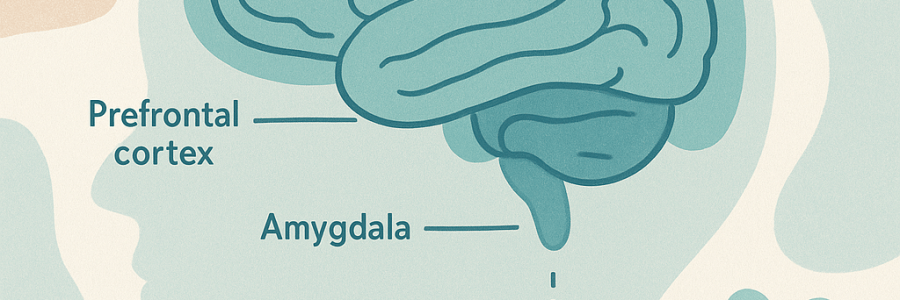
When these systems are distorted, underdeveloped, overactive, or impaired, it can affect how a person thinks, feels, behaves, and relates to others. In Neuroscience this can happen because of genetics, development, injury, chronic stress, trauma, or learned patterns. In Psychology it shows up as patterns in personality and behavior. Important: “missing” is usually not literal—these systems… Read More Distorted, underdeveloped, overactive, or impaired

Reactions

These are core processes studied in both Psychology and Neuroscience—they help explain why people react differently to the same situation. 1. Emotional Processing Emotional Processing This is how you: notice emotions (your own and others’) interpret what they mean regulate your response Example:Someone criticizes you. One person feels mild disappointment and moves on. Another feels deep shame… Read More Reactions

“Big Five” personality model 

The “Big Five” personality model is one of the main frameworks in Psychology for understanding personality. It says personality can be described across 5 broad traits (often remembered as OCEAN): imaginative, curious, creative, open-minded low openness = prefers routine, familiarity organized, responsible, disciplined, reliable low = more spontaneous, less structured outgoing, energetic, sociable low (introversion) = quieter, recharges alone kind,… Read More “Big Five” personality model 

Complex personality

Complex personality in Neuroscience and Psychology usually means a person whose thoughts, emotions, behaviors, and relationships are influenced by many different interacting factors, not just one simple trait. It can mean several things: Psychologically A person may have: many layers to their personality (different sides depending on situation) contradictory traits (e.g., warm but guarded, confident but insecure) strong emotional… Read More Complex personality

Abuse is a choice — and that distinction matters

Iin psychology and domestic abuse research, abuse is generally understood as a pattern of chosen behaviours used to gain power, control, intimidation, or dominance over another person. Abuse is a choice — and that distinction matters People can have: anger trauma insecurity stress mental health struggles without becoming abusive. What separates abuse from emotional difficulty… Read More Abuse is a choice — and that distinction matters

🔄 Why the pattern escalates

What makes coercive control so psychologically damaging is that it often follows a recognisable pattern, not random moments of anger or ordinary relationship conflict. In psychology, the difference is usually this: ⚖️ Healthy conflict In normal conflict: both people still have autonomy disagreements can be repaired there is accountability and mutual respect the goal is resolution… Read More 🔄 Why the pattern escalates

The “abusive pattern” in the brain (psychology + neuroscience)

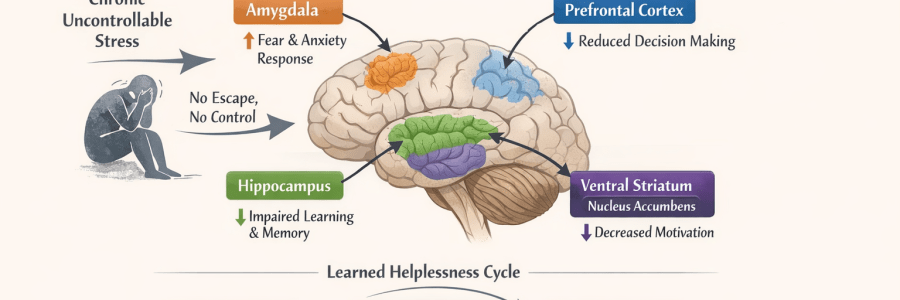
1. Control is used as emotional regulation Many abusive behaviours function as a way to manage internal discomfort. Brain systems involved: amygdala (threat + emotional reactivity) prefrontal control systems (planning, inhibition) Pattern: distress → attempt to regain control over another person dominance reduces internal anxiety short-term So control becomes: a regulation strategy, not just behaviour 2.… Read More The “abusive pattern” in the brain (psychology + neuroscience)

🧠 Real love vs trauma bond (in real time)

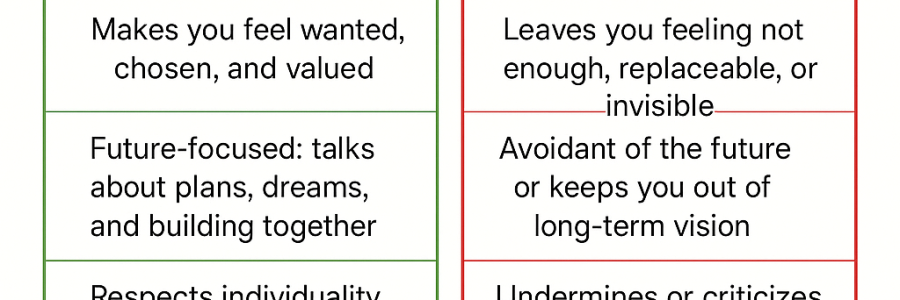
Real love feels safe and expanding.Trauma bond activation feels urgent, narrow, and dysregulating. Your body actually tells the difference before your mind catches up. 💚 1. Nervous system state 💚 Real love steady heartbeat relaxed breathing grounded body calm alertness (not hypervigilance) Your system feels: “I can be myself here.” ⚡ Trauma bond activation racing… Read More 🧠 Real love vs trauma bond (in real time)

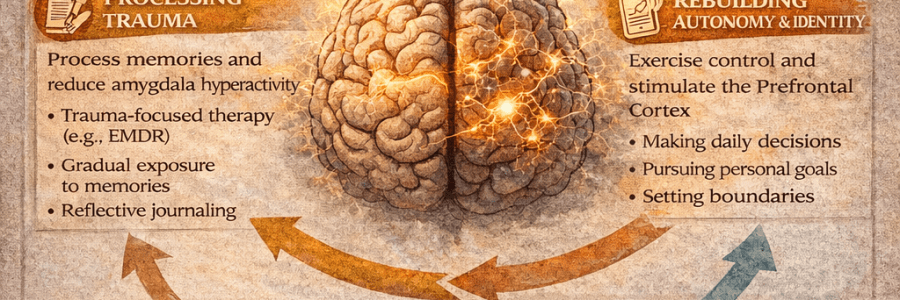
🧠 Common relapse points (and why they happen)

“Relapse points” after leaving coercive control don’t usually mean you truly want to go back — they’re moments where the brain’s old survival wiring gets briefly reactivated and pulls on attachment, habit, fear, or hope. It can feel emotional, but neurologically it’s predictable. 1. Loneliness + silence This is the most common trigger. Why it hits hard:… Read More 🧠 Common relapse points (and why they happen)