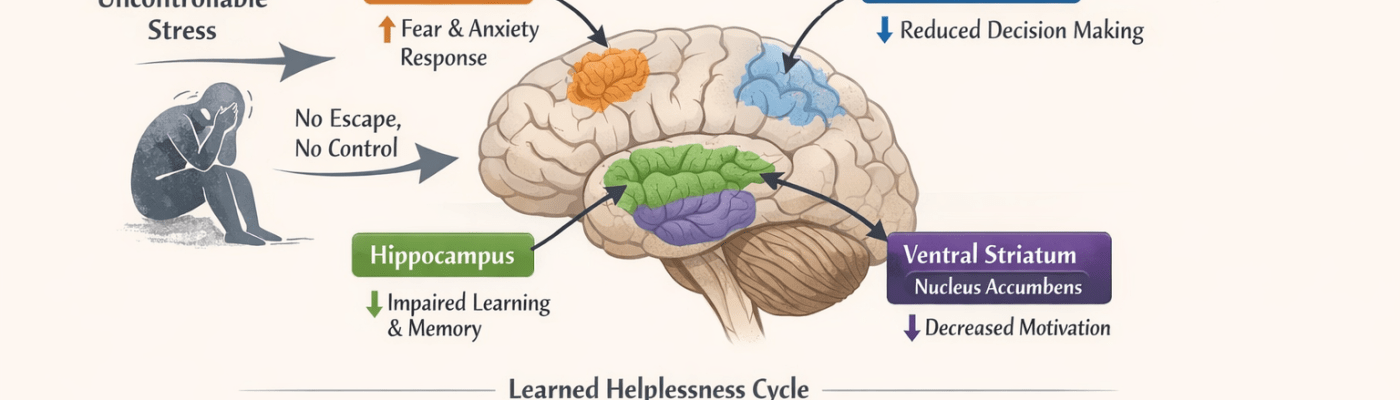
“Relapse points” after leaving coercive control don’t usually mean you truly want to go back — they’re moments where the brain’s old survival wiring gets briefly reactivated and pulls on attachment, habit, fear, or hope.
It can feel emotional, but neurologically it’s predictable.
1. Loneliness + silence
This is the most common trigger.
Why it hits hard:
- the brain was used to constant emotional stimulation (even if painful)
- silence can feel like “emptiness” rather than peace
Neuroscience angle:
- the dopamine system is adjusting to lower stimulation
- attachment circuits misinterpret absence as loss of safety
Feeling:
“Maybe I overreacted… maybe it wasn’t that bad.”
2. Emotional memory spikes (good memories flood in)
The brain selectively recalls:
- affection
- apologies
- “better” phases
Why:
- the emotional memory system is stored strongly in the amygdala
- it does not naturally balance “good vs bad” during stress states
Feeling:
nostalgia + doubt + longing all at once
3. Stress in your current life
When something else goes wrong (work, family, health), the brain reaches for familiar coping patterns.
Why:
- the old relationship became a “regulation system” (even if unhealthy)
- under stress, the brain defaults to what it knows
Feeling:
“I can’t cope alone”
4. Seeing them or reminders (or imagined contact)
Even indirect triggers can reactivate the bond:
- social media
- mutual connections
- places, songs, dates
Why:
- conditioned association pathways fire automatically
- the brain treats cues as “present threat/reward signals”
Feeling:
sudden emotional surge, racing thoughts, body reaction
5. Guilt and self-blame cycles
This is especially strong after coercive control.
Why:
- long-term conditioning may have trained self-responsibility for conflict
- the brain prefers “I caused it” over “I was powerless” (because it feels controllable)
Feeling:
“Maybe it was my fault”
6. Calm periods (the most deceptive trigger)
Ironically, feeling better can trigger relapse thoughts.
Why:
- when stress drops, the brain re-evaluates past attachment
- it confuses calm with “resolution”
Feeling:
“Maybe it wasn’t that bad after all”
This is one of the most important illusions to recognise.
🧠 Why relapse thoughts happen (core mechanism)
It’s not emotional weakness — it’s three systems colliding:
- attachment system: “stay connected”
- reward system: “remember the highs”
- threat system: “don’t lose safety”
So even after leaving, the brain may temporarily generate:
emotional “pull back” signals
🧭 How to avoid going back mentally (practical + neurological)
1. Separate feeling from truth
A key rule:
A feeling of longing is not evidence of safety.
Feelings = nervous system activation
Truth = pattern over time
2. Anchor in the “full timeline,” not fragments
The brain under stress zooms in on highlights.
Helpful correction:
- write down the full pattern, not just memories
- include how you felt over time, not just moments
This stabilises prefrontal cortex reasoning.
3. Expect the wave, don’t negotiate with it
Urges typically:
- rise
- peak
- fall
If you don’t act on them, they pass.
Trying to “argue with the urge” often strengthens it.
4. Replace regulation, not just remove it
The brain relapses when it loses its old regulation source.
So you need replacements:
- safe people
- routines
- grounding practices
- predictable structure
Otherwise the brain goes:
“I need something familiar to regulate me”
5. Name the state when it hits
This is powerful neuroscience-wise.
Instead of:
“I miss them”
Try:
“This is a trauma bond activation wave.”
Labelling reduces limbic activation and strengthens rational control networks.
❤️ The most important truth
Relapse thoughts are not a sign of:
- failure
- regression
- lack of strength
They are a sign that:
your brain is still rewiring from an old survival pattern
And over time, those signals fade because they are not reinforced.


