Distorted, underdeveloped, overactive, or impaired
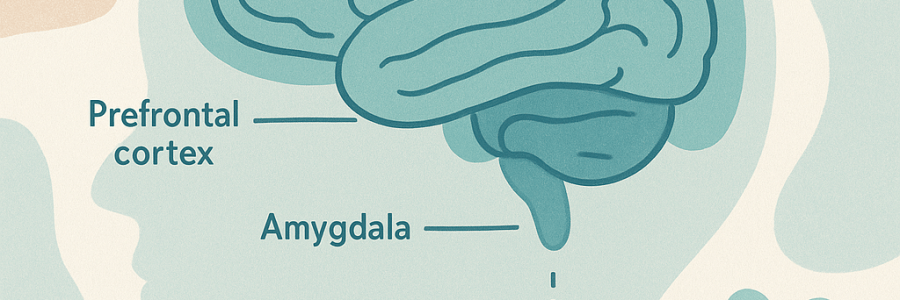
When these systems are distorted, underdeveloped, overactive, or impaired, it can affect how a person thinks, feels, behaves, and relates to others. In Neuroscience this can happen because of genetics, development, injury, chronic stress, trauma, or learned patterns. In Psychology it shows up as patterns in personality and behavior. Important: “missing” is usually not literal—these systems… Read More Distorted, underdeveloped, overactive, or impaired
The “abusive pattern” in the brain (psychology + neuroscience)

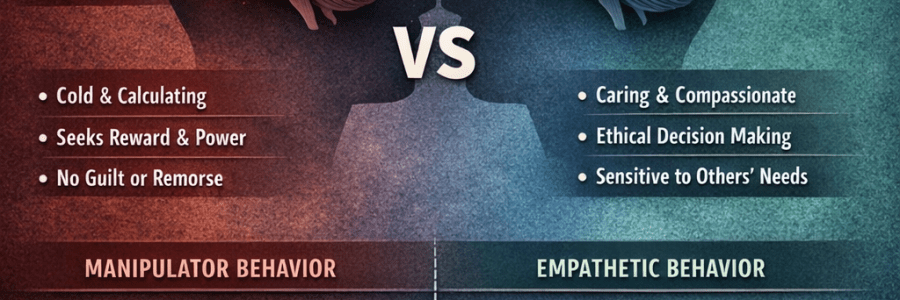
1. Control is used as emotional regulation Many abusive behaviours function as a way to manage internal discomfort. Brain systems involved: amygdala (threat + emotional reactivity) prefrontal control systems (planning, inhibition) Pattern: distress → attempt to regain control over another person dominance reduces internal anxiety short-term So control becomes: a regulation strategy, not just behaviour 2.… Read More The “abusive pattern” in the brain (psychology + neuroscience)

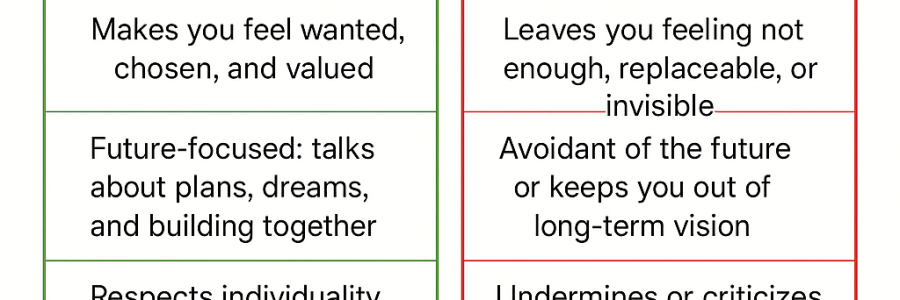
🧠 Real love vs trauma bond (in real time)

Real love feels safe and expanding.Trauma bond activation feels urgent, narrow, and dysregulating. Your body actually tells the difference before your mind catches up. 💚 1. Nervous system state 💚 Real love steady heartbeat relaxed breathing grounded body calm alertness (not hypervigilance) Your system feels: “I can be myself here.” ⚡ Trauma bond activation racing… Read More 🧠 Real love vs trauma bond (in real time)

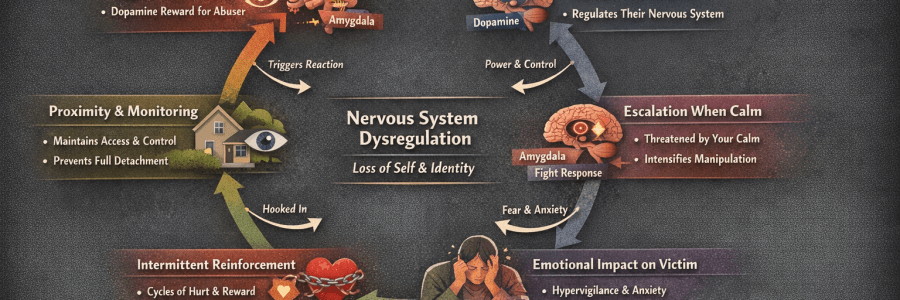
🧠 Why trauma bonding is so sticky (neuroscience + psychology)

Trauma bonding and coercive control are hard to break because they don’t just sit in “thoughts” or “choices” — they get wired into reward systems, threat systems, and attachment systems in the brain at the same time. That combination creates a powerful loop that feels emotionally convincing even when it’s harmful. 1. Intermittent reinforcement = strongest… Read More 🧠 Why trauma bonding is so sticky (neuroscience + psychology)

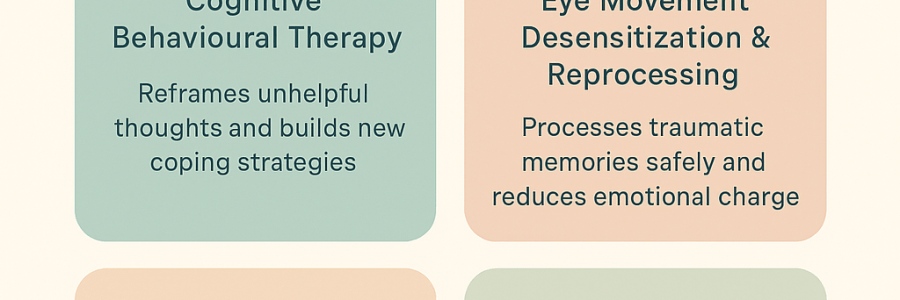
What’s happening in your brain during therapy

1. The threat system starts to settle At the beginning of therapy—especially if someone is anxious or traumatised—the brain often has a more active: amygdala (alarm system) stress hormones like cortisol As you speak in a safe, structured environment, something important happens: the brain starts to detect “this is not danger” This reduces hypervigilance over time.… Read More What’s happening in your brain during therapy

Why people have therapy (neuroscience + psychology)

1. Emotional overload (the nervous system is stuck “on”) From a neuroscience view, chronic stress keeps the amygdala overactive (threat detection system), while the prefrontal cortex (reasoning, regulation) becomes less effective. People come to therapy because: anxiety won’t switch off panic or hypervigilance persists emotional reactions feel “too big” Therapy helps retrain the brain to feel safety again. 2.… Read More Why people have therapy (neuroscience + psychology)

“Normal enough to survive.”

`The human brain is remarkably good at adapting—even to unhealthy environments. That’s one of its greatest strengths, and sometimes one of its greatest traps. Normalization through adaptation. Habituation When something happens repeatedly—criticism, control, emotional coldness, instability—the brain starts to treat it as:“normal enough to survive.” Not because it is healthy.Because it is familiar. 1. The… Read More “Normal enough to survive.”

Paperwork

When dealing with Domestic Abuse or Gender-Based Violence, the amount of paperwork can feel relentless: lawyers court hearings statements timelines emails police reports medical records financial documents messages incident logs It can feel like a second job layered on top of surviving trauma. That’s exhausting—and it’s also why many survivors feel re-traumatized by the process. Why… Read More Paperwork

Every dirty trick in the book

When a family system uses “every dirty trick in the book” to destabilize you—fits a well-studied pattern in psychology called systemic defense or family system protection. Family Systems Theory When one person challenges the system (by speaking up, setting boundaries, leaving, exposing behavior), the system often reacts—not because you are wrong—but because you have disrupted equilibrium. Your nervous system… Read More Every dirty trick in the book