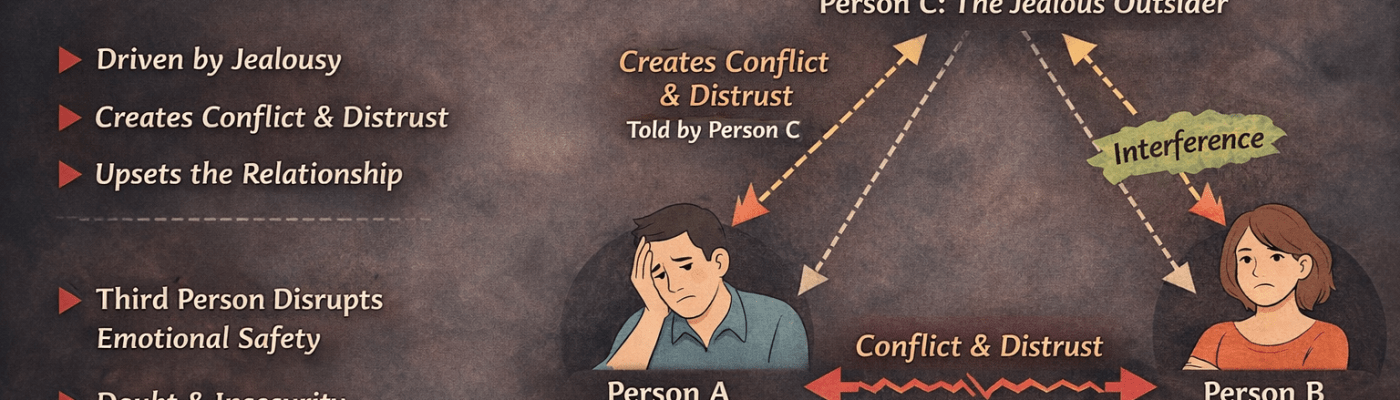
When a family system uses “every dirty trick in the book” to destabilize you—fits a well-studied pattern in psychology called systemic defense or family system protection.
Family Systems Theory
When one person challenges the system (by speaking up, setting boundaries, leaving, exposing behavior), the system often reacts—not because you are wrong—but because you have disrupted equilibrium.
Your nervous system experiences it as:
“Why are they all coming at me?”
The family system experiences it as:
“Restore control.”
1. Homeostasis: the system wants things back “the old way”
Families—healthy or unhealthy—seek homeostasis (stability).
Homeostasis
If the “old way” involved:
- silence,
- denial,
- protecting one person,
- blaming one person,
then your truth threatens that balance.
The system may unconsciously respond with:
- pressure
- minimization
- rewriting history
- triangulation
- emotional intimidation
Not because truth is unclear.
Because truth is disruptive.
2. Triangulation: bringing others in to increase pressure
Triangulation
Examples:
- multiple family members contacting you
- mixed messages
- one person playing “good cop,” another “bad cop”
- sudden urgency (“act now”)
Psychologically this increases confusion and reduces your sense of certainty.
That’s destabilizing by design—or at least by function.
3. Gaslighting and reality distortion
Gaslighting
Common tactics:
- “That never happened.”
- “You’re overreacting.”
- “You misunderstood.”
- “You’re the problem.”
The goal (conscious or unconscious) is often:
make you doubt yourself enough to stop resisting.
4. Why families do this: cognitive dissonance
Cognitive Dissonance
If family members believe:
- “we are good people”
but evidence suggests: - “someone in our family caused harm,”
that creates discomfort.
Some resolve it by:
- attacking the messenger,
- denying evidence,
- reframing you as unstable.
That protects their identity.
5. Your brain’s response: threat mode
When this happens, your:
Amygdala becomes highly activated.
You may feel:
- racing thoughts
- dread
- confusion
- urgency
- inability to sleep
- compulsive need to explain yourself
That’s your brain reading:
“social threat = survival threat.”
It’s ancient biology.
6. Why it can feel so shocking
Because you likely expected:
- fairness,
- empathy,
- accountability.
Instead you met:
- strategy,
- defensiveness,
- emotional coldness.
That creates betrayal trauma.
Betrayal Trauma
That hurts more because trust was involved.
The most important psychological shift
At first you think:
“Why are they doing this to me?”
Later you realize:
“This is what systems do when they feel threatened.”
That shift is powerful.
It moves you from personalizing → understanding the pattern.
And once you see the pattern, it loses much of its power.
A useful reframe:
Their attempts to destabilize you are often evidence that your stability threatens their old system.

