Upgrade

Alone Isn’t Lonely. For Some, It’s an Upgrade. There was a time when being alone was seen as something to fear. Society often tells us that happiness comes from finding “the one,” surrounding ourselves with people, or always having someone by our side. But for many people—especially those who have lived through controlling, abusive, or… Read More Upgrade

“Why could everyone else see it, and I couldn’t?”

That is one of the questions almost every survivor asks themselves: “Why could everyone else see it, and I couldn’t?” The answer is usually much simpler—and kinder to yourself—than you think. You didn’t meet the person everyone else eventually saw. You met the version of him that was charming, attentive, affectionate, and convincing. Abusive people… Read More “Why could everyone else see it, and I couldn’t?”

Deeply Harmful

No survivor of abuse wakes up and says, “Today, I’ll spend my time in a police station, reporting the person I once loved.” No one who is already fighting just to survive chooses to put themselves through the overwhelming stress of making statements, giving evidence in court, and reliving their trauma in front of strangers. The idea… Read More Deeply Harmful

The past happened. It shaped us, but it does not have to own us.

Sometimes, the hardest part of healing isn’t the big moments – it’s the memories hidden away in old photographs. As I sorted through years of old holiday pictures, I came across photos from what should have been a happy family trip to Florida. Smiling faces, sunshine, and memories that, to anyone else, would look like… Read More The past happened. It shaped us, but it does not have to own us.

What genuine love, respect, and peace really look like.

It’s so good to be around family in a relaxed, happy atmosphere. No tension, no control, no lectures, no endless list of jobs being handed out to my grandson, no pressure—just love, laughter, happiness, and enjoying each other’s company. That’s what family should feel like: a place where everyone can simply be themselves, where memories… Read More What genuine love, respect, and peace really look like.

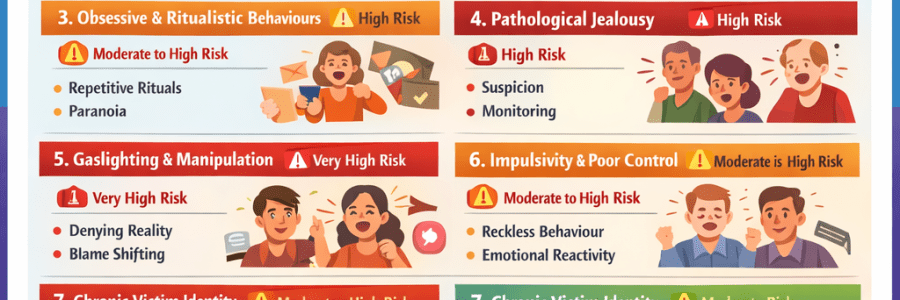
“Double life” structures (compartmentalisation)

Professionals in policing, safeguarding, and forensic psychology look for patterns over time, not single events or impressions. They are essentially trying to separate image from behaviour. Here’s how they typically detect things like grooming patterns, coercive control, and “double life” structures: 1. Grooming patterns (behavioural sequencing) Grooming is not one action — it’s a process. Investigators look for repetition across… Read More “Double life” structures (compartmentalisation)