The Sunk Cost Fallacy: “I’ve Already Invested Too Much”

One of the most powerful psychological barriers to leaving an unhealthy relationship is something economists call the sunk cost fallacy. A sunk cost is anything that has already been invested and cannot be recovered. This may include money, time, emotional energy, years of commitment, shared experiences, a home, a marriage, children, friendships, or dreams for the future. From… Read More The Sunk Cost Fallacy: “I’ve Already Invested Too Much”

When Recovery Begins: The Moment the Pattern Becomes Clear

Recovery often begins long before a person leaves a difficult relationship. It begins with a change in perspective. Many survivors describe a moment when years of confusion suddenly start to make sense. It may happen after a conversation with a trusted friend, reading an article, speaking with a counsellor, or simply noticing that the same… Read More When Recovery Begins: The Moment the Pattern Becomes Clear

Why People Stay in Harmful Relationships: Understanding Trauma Bonding, Intermittent Reinforcement, Confirmation Bias, the Sunk Cost Fallacy and Cognitive Dissonance

One of the most common questions people ask after leaving a harmful relationship is: “Why didn’t I leave sooner?” Friends and family often ask a similar question: “Why couldn’t they see what everyone else could see?” These questions have been studied for decades by psychologists and neuroscientists. The answer is rarely about weakness, lack of… Read More Why People Stay in Harmful Relationships: Understanding Trauma Bonding, Intermittent Reinforcement, Confirmation Bias, the Sunk Cost Fallacy and Cognitive Dissonance

Cognitive Dissonance: Why the Mind Sometimes Protects Us from Painful Truths

In 1957, psychologist Leon Festinger introduced the theory of cognitive dissonance, proposing that people experience psychological discomfort when they simultaneously hold two or more beliefs, values, or perceptions that contradict one another. The human brain strives for consistency. When our beliefs and our experiences do not match, the resulting tension can feel deeply uncomfortable. Rather than immediately changing… Read More Cognitive Dissonance: Why the Mind Sometimes Protects Us from Painful Truths

Why Do Friends and Family Sometimes Notice a Vindictive Personality Before You Do? The Psychology and Neuroscience Behind Chronic Vindictiveness

One of the questions people often ask after leaving a difficult relationship is: “Why did everyone else seem to notice long before I did?” It is surprisingly common to hear family members, friends, colleagues or even previous partners say, “We saw it years ago.” While this can be painful to hear, psychology offers several explanations for why… Read More Why Do Friends and Family Sometimes Notice a Vindictive Personality Before You Do? The Psychology and Neuroscience Behind Chronic Vindictiveness

Patterns

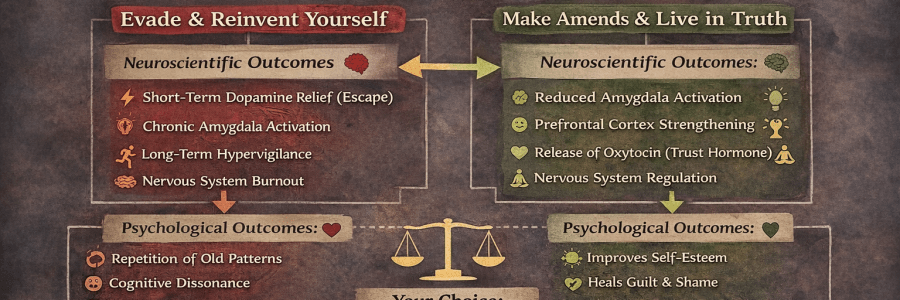
People often experience the consequences of the patterns they repeatedly choose. Behaviours such as hostility, jealousy, manipulation or chronic bitterness can gradually damage trust and relationships. Unless those patterns are recognised and changed, similar conflicts may emerge again and again—not because of fate, but because behaviour tends to produce predictable consequences.

The Neuroscience and Psychology of Vindictive Personalities: Why Some People Become Consumed by Bitterness, Revenge and the Success of Others

“Holding onto anger is like drinking poison and expecting the other person to suffer.” While this quote is often attributed to the Buddha, modern neuroscience suggests there is truth behind the sentiment. Chronic bitterness and vindictiveness affect not only relationships but also the brain and body of the person who carries them. Most people experience jealousy,… Read More The Neuroscience and Psychology of Vindictive Personalities: Why Some People Become Consumed by Bitterness, Revenge and the Success of Others

The Psychology and Neuroscience of Vindictive Personalities: Why Some People Seem to Thrive on Revenge, Bitterness, and Jealousy

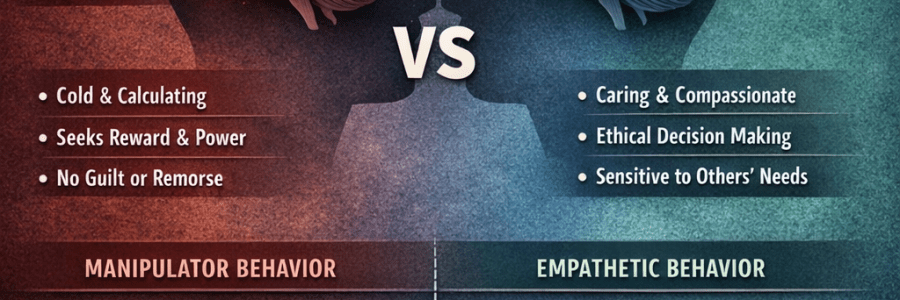
Most people have experienced moments of anger, resentment, or envy. These emotions are part of being human. For most, they pass with time, reflection, or forgiveness. However, there are some individuals for whom resentment becomes a way of life. They appear to take satisfaction in revenge, celebrate another person’s misfortune, or become deeply distressed when… Read More The Psychology and Neuroscience of Vindictive Personalities: Why Some People Seem to Thrive on Revenge, Bitterness, and Jealousy

After my divorce is final, I may choose to share a small number of photographs of us together.

It won’t be because I want the relationship back or because I have any lingering romantic feelings. That chapter of my life has ended. The reason is much simpler. Over the past months, people have asked me what he looks like so they can recognise him if they happen to see him and let me… Read More After my divorce is final, I may choose to share a small number of photographs of us together.