Ambiguous Deprivation: The Invisible Loss That Shapes Us
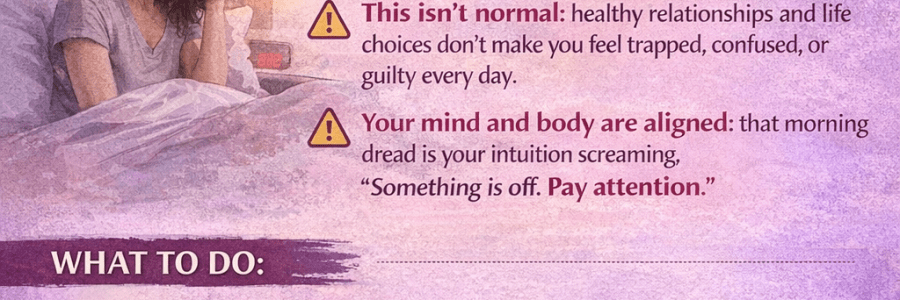
Psychologists sometimes refer to a subtle but deeply impactful experience as ambiguous deprivation.It’s not about something dramatic that happened to you.It’s about what didn’t. It’s the quiet absence of what should have been there: Affection that was never freely given Safety that was never consistently modeled Freedom that was quietly restricted Emotional support that never quite arrived… Read More Ambiguous Deprivation: The Invisible Loss That Shapes Us
“At some point, this stops being about health—and becomes about accountability.”

Being told you are medically clear and then continuing to present yourself as seriously unwell is not just a personal issue. When it’s used to avoid responsibility, delay obligations, or justify harmful behaviour, it becomes something else entirely. There is a clear line between: genuine illness health anxiety and the repeated use of illness as… Read More “At some point, this stops being about health—and becomes about accountability.”

Why an abusive person can seem calm right after harming you

1. Their stress system just discharged Before the outburst, their brain is often in a high-alert state: threat sensitivity (amygdala firing) rising tension internal pressure When they lash out (verbally, emotionally, or physically), it can act like a release valve. So their body goes from:high stress → discharge → relief That relief can look like: sudden… Read More Why an abusive person can seem calm right after harming you

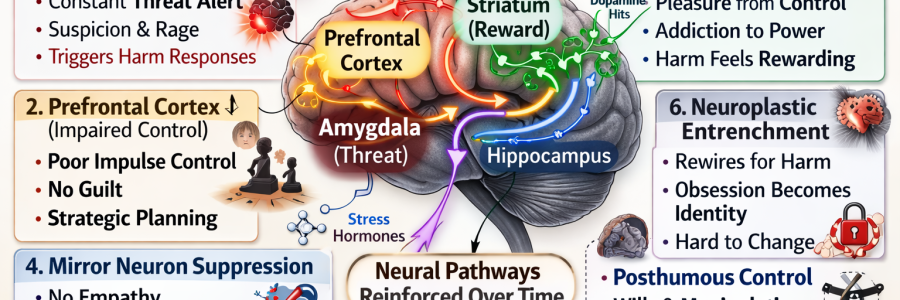
How certain brain systems work together 

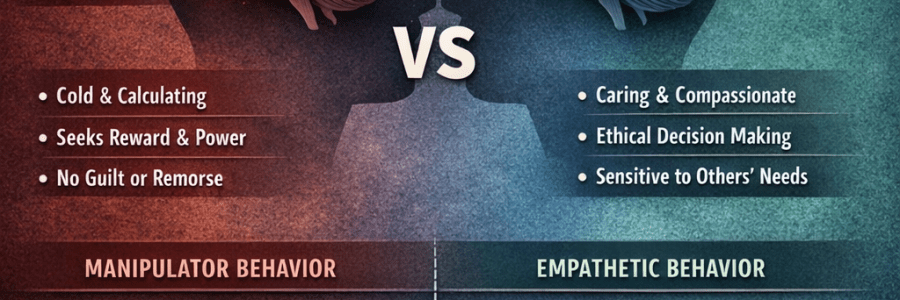
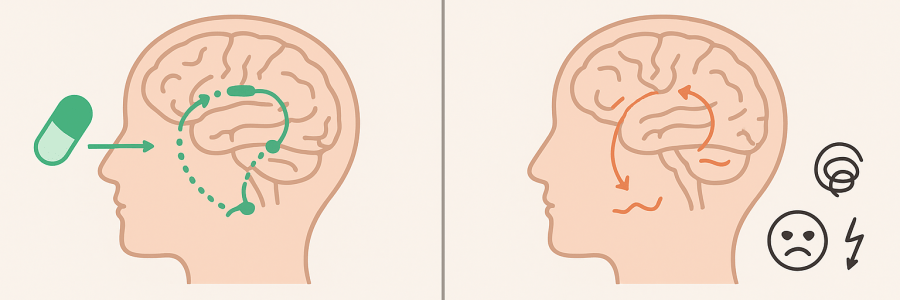
From a neuroscience perspective, the difference is often not that one person has a “bad brain” and another has a “good brain.”It is more about how certain brain systems work together — especially the systems for: empathy emotional regulation fear/anger response conscience impulse control 1. The brain of someone who may become abusive Research shows some abusive… Read More How certain brain systems work together 

When Abuse Doesn’t End: Understanding Post-Separation Control

Many people believe that once they leave an abusive relationship, the worst is over. But for some, the dynamic doesn’t stop—it changes form. What once happened face to face can continue at a distance, sometimes through ongoing conflict, legal processes, or prolonged disputes. This is often referred to as post-separation abuse or coercive control at a distance. 🧠 What… Read More When Abuse Doesn’t End: Understanding Post-Separation Control

This Is Not Normal: Understanding Abuse Through Neuroscience

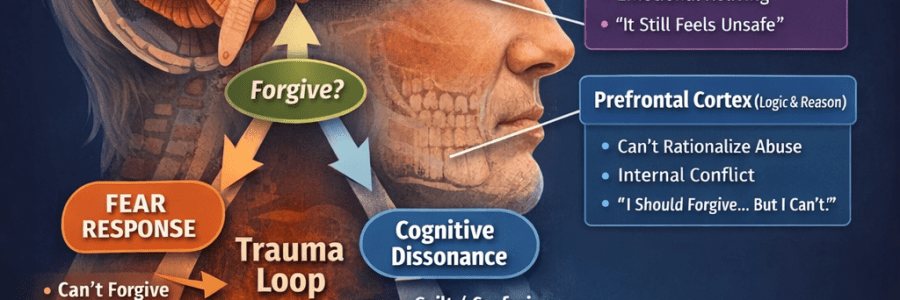
If you have ever been told that throwing things, shouting in your face, trying to physically harm you, threatening you, or controlling your access to money, transport, or even your passport is “normal” in a relationship—it is not. It is abuse. And understanding this isn’t just about opinion or perspective. It is grounded in how… Read More This Is Not Normal: Understanding Abuse Through Neuroscience

Truth, Discomfort, and the Difference That Matters

Sometimes telling the truth creates discomfort. It can bring short-term pain, tension, or even conflict. But more often than not, it leads to something far more important—clarity, accountability, and, ultimately, justice. Truth is not always easy to hear, and it is not always easy to speak. But it is not inherently destructive. Gossip is. The… Read More Truth, Discomfort, and the Difference That Matters

How Low Do You Go?

Where an individual repeatedly claims to be seriously ill or dying, particularly in circumstances involving abuse or financial matters, yet provides no supporting medical evidence, such claims should be treated with caution. When similar statements have been made over an extended period of time without verification, it becomes necessary to question their credibility. Care should… Read More How Low Do You Go?