Being told you are medically clear and then continuing to present yourself as seriously unwell is not just a personal issue.
When it’s used to avoid responsibility, delay obligations, or justify harmful behaviour, it becomes something else entirely.
There is a clear line between:
- genuine illness
- health anxiety
- and the repeated use of illness as a shield
And that line matters—especially in legal and community contexts.
Because while one person continues to claim crisis after crisis, there are others:
- living with real diagnoses
- facing real limitations
- and still showing up for their responsibilities every single day
That contrast is not insignificant.
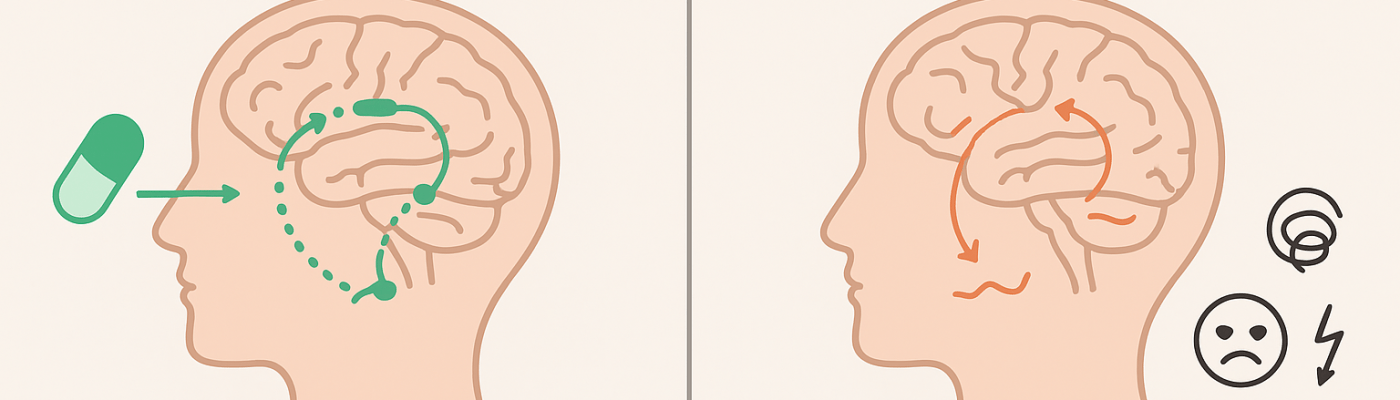
Neuroscience explains how fear-based patterns can become ingrained—how the brain can learn to interpret normal sensations as threats, and how reassurance-seeking can become habitual.
But understanding a pattern is not the same as excusing it.
A diagnosis of anxiety does not remove accountability.
Medical clearance is not a grey area.
And repeated claims of illness, in the absence of medical evidence, cannot be used indefinitely to avoid consequences.
Because when “illness” is used:
- to manipulate outcomes
- to gain sympathy
- or to escape responsibility
it stops being about health altogether.
It becomes behaviour.
And behaviour—especially when it impacts others—comes with responsibility.
Compassion should always be there.
But it should never come at the cost of truth.

