Many people believe that once they leave an abusive relationship, the worst is over.
But for some, the dynamic doesn’t stop—it changes form.
What once happened face to face can continue at a distance, sometimes through ongoing conflict, legal processes, or prolonged disputes. This is often referred to as post-separation abuse or coercive control at a distance.
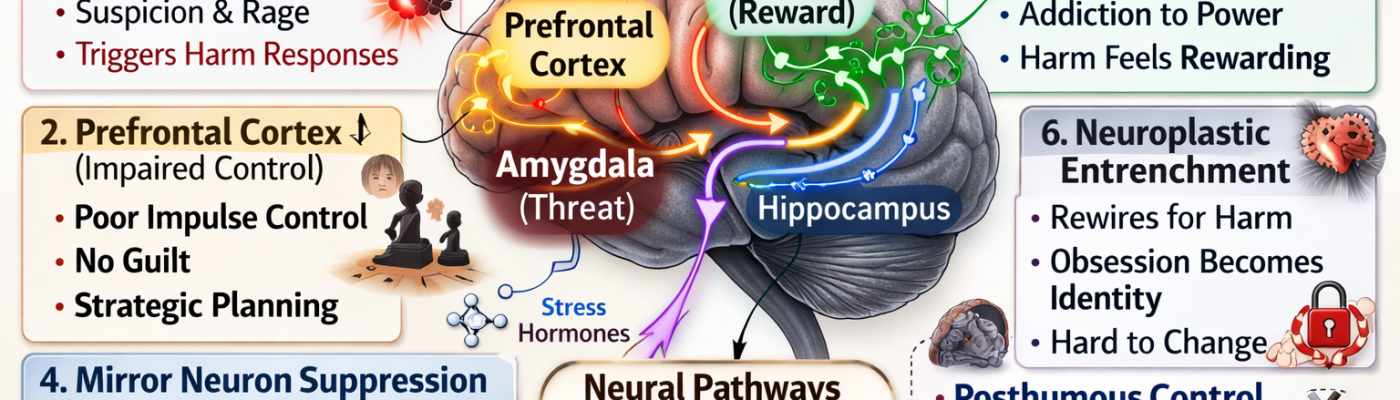
🧠 What Neuroscience Helps Us Understand
When you’ve lived in an environment of threat, your brain adapts.
The nervous system becomes highly alert to:
- Conflict
- Uncertainty
- Delays or lack of resolution
- Perceived unfairness or manipulation
This is driven by the brain’s threat system—particularly the amygdala—which is designed to protect you. After prolonged stress, it can remain sensitised, meaning even indirect conflict (emails, legal letters, negotiations) can trigger the same fight, flight, or freeze response as direct confrontation once did.
⚠️ Why It Can Feel Like “It Never Stops”
In some cases, individuals who previously used control in a relationship may continue to:
- Delay agreements
- Create ongoing disputes
- Maintain pressure through communication
Not every difficult divorce involves abuse—but where there has been a pattern of control, it can feel like a continuation of the same dynamic in a different form.
🌿 Protecting Yourself
What helps is not reacting emotionally—but responding with clarity:
- Clear boundaries
- Strong legal and emotional support
- Staying focused on facts
- Reducing unnecessary engagement
This isn’t about “winning.”
It’s about protecting your peace and your position.
You Don’t Have to Navigate This Alone
If you are going through this and feel overwhelmed, confused, or stuck, talking things through with someone who understands these dynamics can make a real difference.
We offer confidential 1-hour sessions where you can:
- Gain clarity on your situation
- Talk openly without judgment
- Understand patterns and next steps
- Feel supported in making decisions at your own pace
Sometimes the biggest shift comes not from reacting—but from seeing clearly.
If you’re ready to take that step, get in touch.


