Compatibility

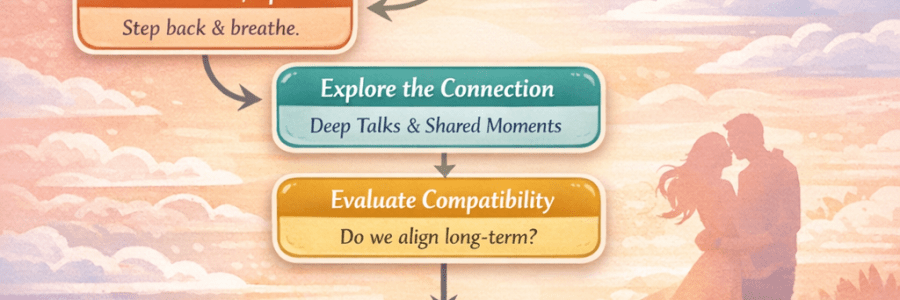
Feature / Feeling Love + Care but Socially Incompatible Socially Compatible but Only Care Emotional connection Strong romantic/affectionate attachment Warmth and mutual respect, but no romantic spark Nervous system response Heart opens, excitement, sometimes vulnerability Calm, safe, predictable, regulated Social alignment Conflicting routines, hobbies, or social circles Aligned daily rhythms, activities, social preferences Longevity potential… Read More Compatibility

When Someone is Socially Compatible — But There’s No Love

Sometimes you meet someone who fits effortlessly into your world. Your lifestyles, social habits, and daily rhythms align. They’re reliable, thoughtful, and caring. And yet… the spark isn’t there. You feel care, but not love. What’s happening Compatibility is structural and cognitive. It’s about rhythm, routine, and shared patterns. Care can exist without passion, intimacy,… Read More When Someone is Socially Compatible — But There’s No Love

When They Make You Feel Loved — But “Too Different”

You finally meet someone who feels peaceful, safe, and loving. Your nervous system relaxes around them. You laugh, share, and feel seen. And then… they say you’re too different. Socially incompatible. “Our worlds just don’t match.” It’s confusing because: What’s happening Your brain and body are responding to safety, attunement, and trust. That calm, loving… Read More When They Make You Feel Loved — But “Too Different”

Do Abusers Realize They Think and Behave Differently from Others?

Many people wonder if someone who engages in long-term abusive behavior is aware that their thinking and behavior are different from most people’s. Neuroscience and trauma research suggest the answer is complex: Takeaway:Some abusers partially notice they think and act differently, but cognitive distortions, entrenched neural patterns, and defensive self-protection often prevent full recognition or meaningful change… Read More Do Abusers Realize They Think and Behave Differently from Others?

Can People Really Change?(A neuroscience-informed answer — not a comforting one)

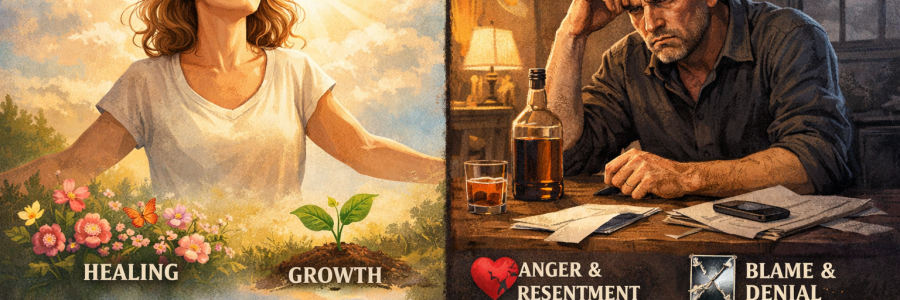
This is one of the most painful questions people ask after long-term harm.Not because they’re naïve.But because hope often feels safer than grief. Neuroscience gives us a steadier answer than wishful thinking or blanket cynicism. Yes — people can change.But not in the way most people hope.And not without conditions that are rare, demanding, and long-term. What change is not Change… Read More Can People Really Change?(A neuroscience-informed answer — not a comforting one)

What Long-Term Abuse Does to the Brain — When There’s No Therapy

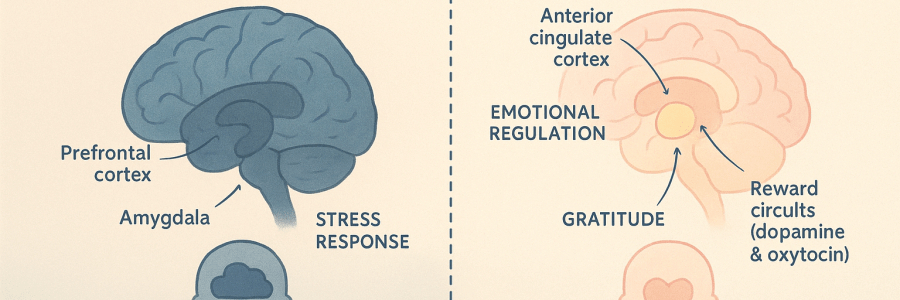
Abuse doesn’t just hurt the person on the receiving end. Over many years, without therapy or accountability, abusive behaviour also changes the abuser’s brain and emotional functioning in ways that make real change harder. This isn’t an excuse — it’s science on how the nervous system adapts to chronic patterns. 1. The Brain Learns Control as a… Read More What Long-Term Abuse Does to the Brain — When There’s No Therapy

The Brain and Trust Violations: What Happens When Trust is Broken

Trust is a core part of relationships. But what happens in our brains when someone betrays that trust? A 2022 study gives us some answers. What the Study Did Researchers looked at how the brain reacts when trust is violated — for example, when someone fails to keep a promise or acts dishonestly. Using brain… Read More The Brain and Trust Violations: What Happens When Trust is Broken

Trust and Aliveness Toolkit

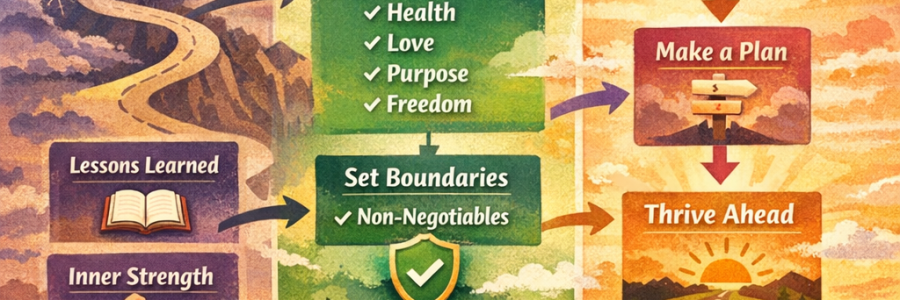
Part 1: Early-Dating Personal Compass “This isn’t about judging anyone or protecting myself from imagined danger.It’s about staying connected to me while letting someone show me who they are.” I don’t rush.I don’t scan.I notice patterns — calmly. 🌅 After spending time together, I pause and ask Without analysing or explaining: (Only the pattern over time matters.)… Read More Trust and Aliveness Toolkit