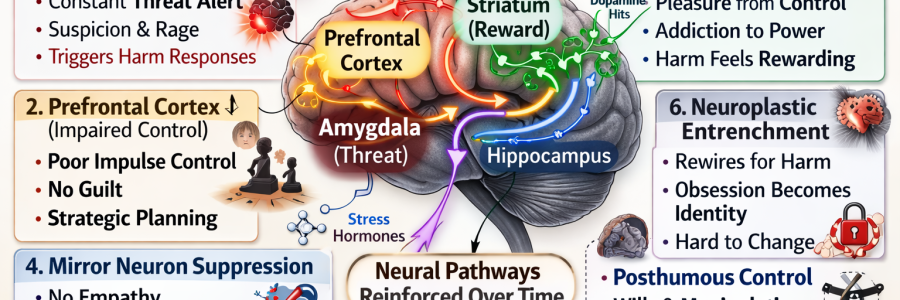
Why people have therapy (neuroscience + psychology)

1. Emotional overload (the nervous system is stuck “on”) From a neuroscience view, chronic stress keeps the amygdala overactive (threat detection system), while the prefrontal cortex (reasoning, regulation) becomes less effective. People come to therapy because: anxiety won’t switch off panic or hypervigilance persists emotional reactions feel “too big” Therapy helps retrain the brain to feel safety again. 2.… Read More Why people have therapy (neuroscience + psychology)

Paperwork

When dealing with Domestic Abuse or Gender-Based Violence, the amount of paperwork can feel relentless: lawyers court hearings statements timelines emails police reports medical records financial documents messages incident logs It can feel like a second job layered on top of surviving trauma. That’s exhausting—and it’s also why many survivors feel re-traumatized by the process. Why… Read More Paperwork

The Healing Power of Connection: How Time with Friends and Family Supports Emotional Recovery

Recovering from trauma or difficult life experiences is rarely linear. Emotional ups and downs, confusion, and uncertainty are normal, but what often helps most is the people you surround yourself with. Spending time with supportive friends and family isn’t just comforting—it can actively regulate your emotions, reinforce healthy coping strategies, and complement professional therapy. Why Connection Matters… Read More The Healing Power of Connection: How Time with Friends and Family Supports Emotional Recovery

Post-traumatic growth

After leaving an abusive long-term marriage, many people go through something psychologists call post-traumatic growth. Research in Psychology and Neuroscience shows that although trauma is deeply painful, the brain and mind can actually develop new strengths and capacities during recovery. This does not mean the trauma was positive — but it means the brain is capable of transforming adversity into growth. 1. The… Read More Post-traumatic growth

Why Trauma Survivors Become Exceptionally Good at Reading People

(Neuroscience + Psychology of heightened perception) 1. Survival Rewires the Brain for Pattern Detection During trauma, the brain switches into long-term survival mode. The nervous system becomes hyper-focused on: Micro-expressions Tone shifts Body language Energy changes Inconsistencies Emotional undercurrents This is controlled mainly by: Amygdala → threat detection Anterior cingulate cortex → error detection Insula → emotional & gut… Read More Why Trauma Survivors Become Exceptionally Good at Reading People

Heal Trauma. Restore Safety. Reclaim Your Life.

Specialist Trauma Therapy for Emotional Abuse, PTSD & Complex RecoveryOnline sessions worldwide | Based in Spain If you are living with the emotional impact of abuse, trauma, chronic stress, or deep emotional pain, you are not broken — your nervous system is protecting you. I offer compassionate, neuroscience-informed therapy to help you gently process trauma, rebuild… Read More Heal Trauma. Restore Safety. Reclaim Your Life.

Q & A – What Does This Pattern of Behaviour Suggest?

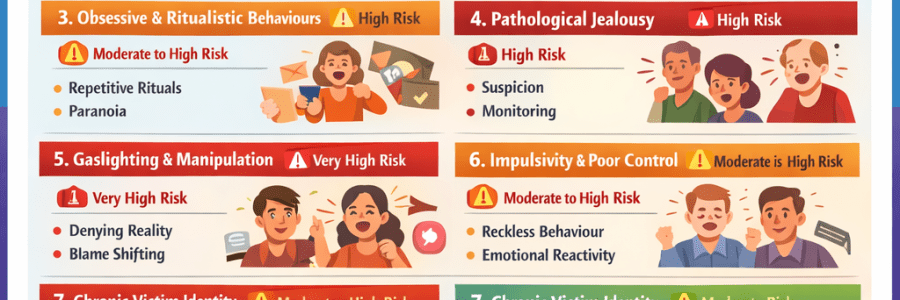
I’ll answer clearly, responsibly, and safely — without diagnosing — while giving you psychological insight and protection-focused guidance. You described someone who: Leaves pieces of toilet paper everywhere Creates signs and symbols on doors before leaving Loses their temper quickly Is physically and mentally abusive This combination of behaviours points to severe emotional dysregulation, control patterns, and possible obsessive… Read More Q & A – What Does This Pattern of Behaviour Suggest?

Abuse thrives in isolation. Safety exists in witnesses.

Many survivors of abuse surround themselves with people — even during moments that are normally private, intimate, or romantic — because: Abuse thrives in isolation. Safety exists in witnesses. Why abuse survivors bring others everywhere — even on honeymoons or intimate holidays 1. Abuse happens behind closed doors Most abuse: happens in private escalates when no one else… Read More Abuse thrives in isolation. Safety exists in witnesses.

Effective Therapeutic Approaches

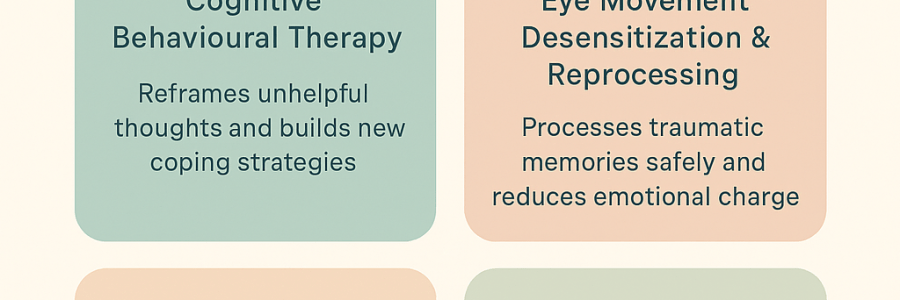
1. Trauma-Focused Therapy Helps the brain process traumatic memories without reliving them fully. Reduces emotional charge, anxiety, and flashbacks. Especially effective for life-threatening trauma like strangulation. Helps survivors reframe thoughts and beliefs formed during abuse. Builds coping skills for fear, anxiety, and hypervigilance. Strangulation trauma often leaves physical nervous system imprints. Therapies like somatic experiencing, sensorimotor psychotherapy, or trauma-informed yoga help release… Read More Effective Therapeutic Approaches