Coercive and Controlling Behaviours: How Abusers Restrict Freedom

Abuse can manifest beyond physical violence, encompassing control over a person’s freedom, finances, communication, and access to information. Warning signs include restricting movement, financial manipulation, and digital control. Healthy relationships are rooted in trust and equality; recognizing patterns of coercive behavior is vital for seeking help and support.… Read More Coercive and Controlling Behaviours: How Abusers Restrict Freedom

When “Keeping It Private” Becomes a Tool of Control

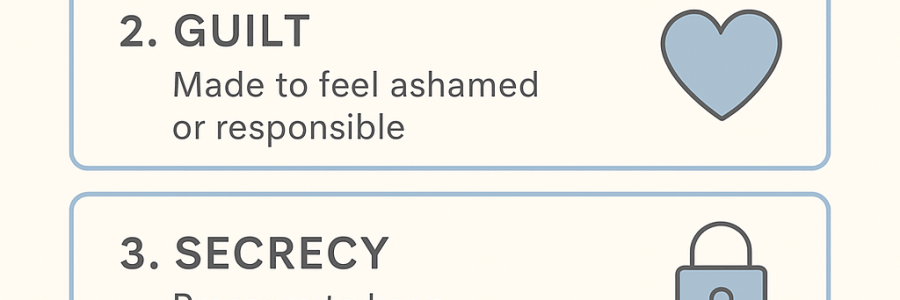
Privacy is healthy. Secrecy that protects abuse is not. One common tactic in controlling families or abusive relationships is creating an unwritten rule that certain things must never be discussed outside the family. This can discourage victims from seeking help and make it easier for abuse to continue. Phrases That May Be Used to Silence… Read More When “Keeping It Private” Becomes a Tool of Control

Questions to Ask When Trying to Understand the Dynamics of a Relationship

No single answer proves that abuse or financial control has occurred. However, asking thoughtful questions can help identify patterns of coercive control, manipulation, or unhealthy relationship dynamics. Communication and Openness Are people free to speak openly, or do they appear afraid of saying the wrong thing? Do family members or friends avoid discussing certain topics?… Read More Questions to Ask When Trying to Understand the Dynamics of a Relationship

What to Do If You Notice These Warning Signs

If several of these warning signs are present, don’t ignore them or assume they will improve with time. Abuse often escalates rather than disappears. Trust your instincts. If something feels wrong, take those feelings seriously. Don’t allow yourself to become isolated from family and friends. Maintain your own support network. Continue your hobbies, work, and… Read More What to Do If You Notice These Warning Signs

Warning Signs of Abuse in a New Relationship

Abuse rarely begins with obvious violence. It often starts with subtle behaviours that become more controlling over time. While no single sign proves someone is abusive, a pattern of these behaviours should never be ignored. Pay Attention to Their History Do they have a history of abusive or controlling relationships? Do former partners describe similar… Read More Warning Signs of Abuse in a New Relationship

Looking Beyond First Impressions: Recognising Patterns of Abuse

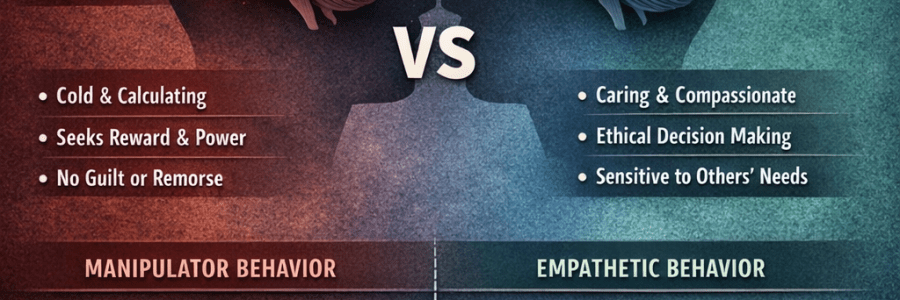
Abusive people rarely introduce themselves as abusive. Many are charming, successful, funny and well-liked. Friends, neighbours and colleagues may describe them as kind, generous or helpful. That is why it is so important to look beyond first impressions. Abuse is rarely revealed by one incident. It is recognised through consistent patterns of behaviour over time. Don’t… Read More Looking Beyond First Impressions: Recognising Patterns of Abuse

Marriage Guidance Is Not a Treatment for Abuse

One of the most damaging myths surrounding domestic abuse is the belief that marriage counselling can fix it. It can’t. Healthy relationships experience disagreements, communication problems, financial pressures and periods of emotional distance. Marriage counselling can often help couples work through these issues because both partners are willing to listen, take responsibility and work together. Abuse is… Read More Marriage Guidance Is Not a Treatment for Abuse

“Why could everyone else see it, and I couldn’t?”

That is one of the questions almost every survivor asks themselves: “Why could everyone else see it, and I couldn’t?” The answer is usually much simpler—and kinder to yourself—than you think. You didn’t meet the person everyone else eventually saw. You met the version of him that was charming, attentive, affectionate, and convincing. Abusive people… Read More “Why could everyone else see it, and I couldn’t?”