When the Mind Plays Tricks: Revisiting Places, Reclaiming Memories

You see an old photograph. A beautiful beach. A mountain village. A bustling city square. A restaurant overlooking the sea. For a moment, your mind remembers the sunshine, the laughter, the excitement of discovering somewhere new. You find yourself talking to a friend about that special place, recalling the scenery, the food, the experience. Then,… Read More When the Mind Plays Tricks: Revisiting Places, Reclaiming Memories

Living the Dream at Last: Eighteen Months of Letting Go and Moving Forward

There are moments in life when you look around and realise that, despite everything that has happened, you have made it through. This week was one of those moments for me. It was a week filled with simple pleasures and meaningful connections. Meals out at some wonderful restaurants, long conversations with friends, neighbours and special… Read More Living the Dream at Last: Eighteen Months of Letting Go and Moving Forward

Deep neurochemical and emotional bonding.

Some of the strongest human connections are formed when attraction is not primarily driven by money, status, appearance, or social gain, but by deep neurochemical and emotional bonding. Neuroscience shows that humans are biologically wired for attachment. In genuinely intense connections, the brain’s reward, safety, and bonding systems can become highly synchronized between two people.… Read More Deep neurochemical and emotional bonding.

Limerence

The psychological term most often linked to “love at first sight” is “instant attraction” or “limerence” when the feelings become intense, obsessive, and emotionally consuming. In neuroscience and psychology, researchers also talk about rapid romantic attachment or thin-slice attraction — where the brain forms powerful impressions within seconds. From a neuroscience perspective, something very real does happen, although scientists debate whether it is truly “love”… Read More Limerence

Oxytocin is a hormone and neurotransmitter heavily involved in:

bonding attachment trust intimacy caregiving emotional closeness and social connection It is often called the “bonding hormone” or “love hormone,” although neuroscience shows its role is more complex than that simple label suggests. When Are Oxytocin Levels Released? Oxytocin release increases during: hugging affectionate touch kissing sexual intimacy orgasm eye contact emotional closeness breastfeeding caregiving and feelings of trust… Read More Oxytocin is a hormone and neurotransmitter heavily involved in:

Nucleus Accumbens is one of the brain’s key reward and motivation centres and plays a major role in:

attraction romantic attachment pleasure desire emotional reinforcement anticipation and addictive behaviours It is part of the brain’s mesolimbic dopamine system, often called the reward pathway. What Does the Nucleus Accumbens Do? The nucleus accumbens helps the brain answer questions like: “What feels rewarding?” “What do I want more of?” “What should I pursue or repeat?” When… Read More Nucleus Accumbens is one of the brain’s key reward and motivation centres and plays a major role in:

Love, Attachment, and the Neurobiology of Human Connection

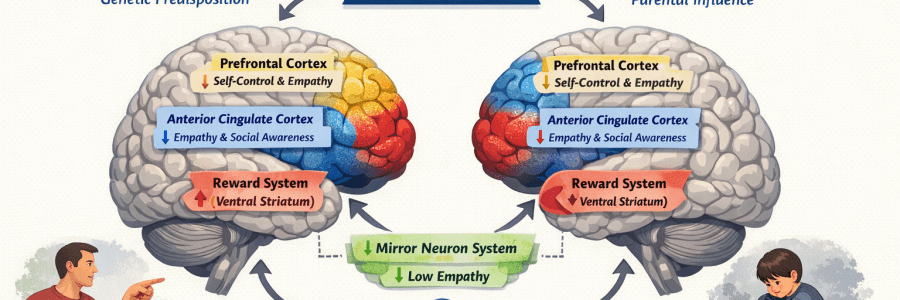
Why can love feel euphoric, addictive, calming, terrifying, healing, and emotionally overwhelming all at the same time? Modern neuroscience suggests that romantic attachment is not “just emotion.” It involves complex interactions between brain reward systems, attachment pathways, stress regulation networks, memory systems, hormones, and social bonding mechanisms. Over the last two decades, research reviews and… Read More Love, Attachment, and the Neurobiology of Human Connection