First 30 Days After Leaving – Recovery Checklist

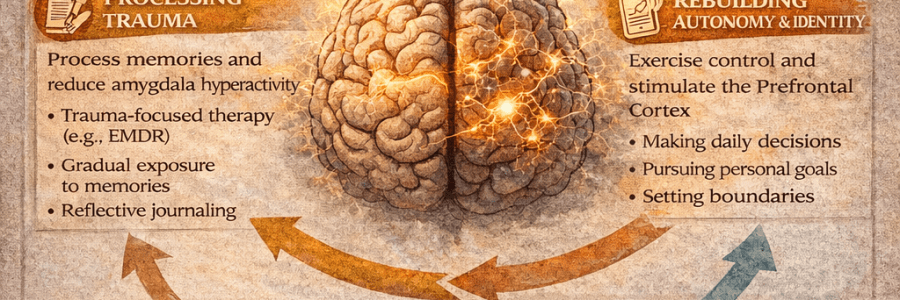
Week 1: Stabilise & Contain the Chaos This is usually the most emotionally volatile stage. 🧠 Goal: safety + nervous system stabilisation, not clarity yet. Week 2: Emotional Detox This is where withdrawal and doubt often peak. 🧠 Goal: reduce emotional spikes and attachment loops. Week 3: Rebuilding Internal Stability You start coming back to yourself in… Read More First 30 Days After Leaving – Recovery Checklist

When You Leave: Navigating the Seismic Fallout and Learning to Hold Yourself

Leaving a harmful or abusive dynamic is not a single decision—it’s a process.And often, the moment you step away is when everything feels like it shakes the most. This is the part people don’t talk about enough. The seismic fallout. Why It Feels So Intense When you leave, you’re not just walking away from a person.… Read More When You Leave: Navigating the Seismic Fallout and Learning to Hold Yourself

Pay Attention to Patterns: The Psychology Behind Repeated Abusive Behaviour

When people experience harmful or abusive behaviour in relationships, one of the most confusing aspects is repetition. The same dynamics appear again and again.The same excuses.The same cycles. And often, the same outcome. This is why it’s essential to look beyond isolated incidents and focus on patterns over time—because psychology shows us that patterns are rarely… Read More Pay Attention to Patterns: The Psychology Behind Repeated Abusive Behaviour

Dangerous and Abusive Behaviours: Recognising the Signs Before They Escalate

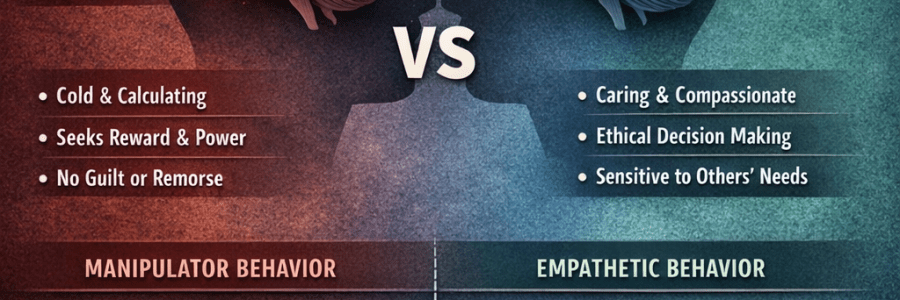
Abuse does not always begin with something obvious. It often starts subtly—small shifts in behaviour, tone, or control that are easy to dismiss or explain away. Over time, these behaviours can build into patterns that impact your safety, your mental health, and your sense of self. Understanding the signs of dangerous or abusive behaviour is… Read More Dangerous and Abusive Behaviours: Recognising the Signs Before They Escalate

When You Feel It — That’s Your Cue to Leave

The neuroscience of knowing when a situation is no longer safe There comes a point in certain situations where you feel it. Not logically.Not after analysing it for hours. 👉 You feel it in your body. The shift.The tension.The unpredictability. That moment where you realise: 👉 You can’t calm this down anymore. ⚠️ Your body knows… Read More When You Feel It — That’s Your Cue to Leave

You’re Not Lazy — You’re Protecting Yourself

The neuroscience of avoidance, attachment, and emotional safety We live in a world that labels people quickly. Lazy. Unmotivated. Difficult.But what if that’s not the truth at all? According to Alok Kanojia (Dr. K), what we call procrastination is rarely about discipline. 👉 It is about emotional avoidance. And when you look deeper—through the lens of neuroscience and… Read More You’re Not Lazy — You’re Protecting Yourself

When Fear Leaves, Clarity Begins — The Neuroscience of Staying Too Long

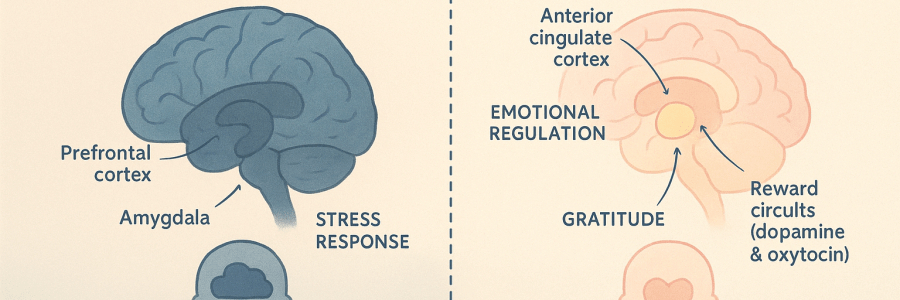
Fear is one of the most powerful forces that keeps people in relationships longer than they should stay. Not love.Not hope.Not even loyalty. Fear. Fear of being alone.Fear of starting again.Fear of loss, instability, or the unknown. And neuroscience helps explain why this fear can feel so overpowering. The Brain on Fear and Attachment When… Read More When Fear Leaves, Clarity Begins — The Neuroscience of Staying Too Long

Neuroscience and Psychology of Connection: Why We Feel the Urge to Reach Out

There are moments when life delivers difficult news in clusters — one concern followed quickly by another. In those periods, something subtle but powerful often happens in the mind and body: a heightened sense of emotional awareness and a sudden urge to reconnect with the people we care about. From the perspective of neuroscience and… Read More Neuroscience and Psychology of Connection: Why We Feel the Urge to Reach Out