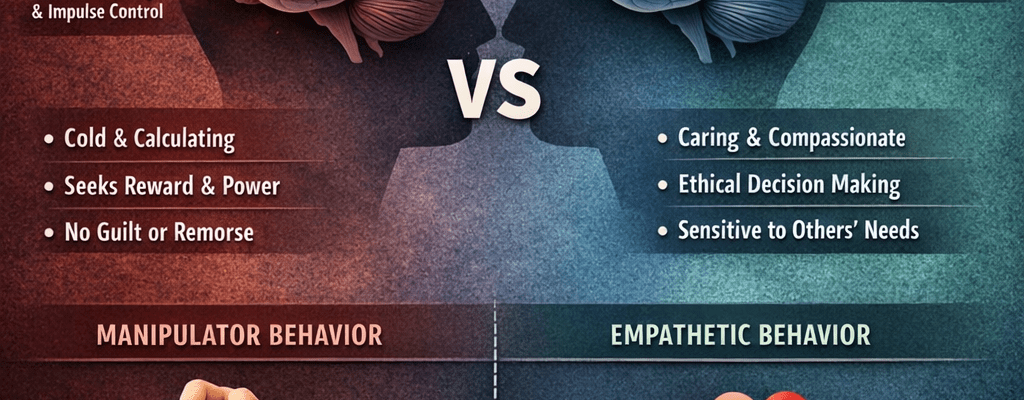
Clear awareness chart of manipulation tactics and what to look out for, which is exactly what protects people in real life.
Here’s a practical breakdown in the same structure you used:
In Psychology, manipulation is often described as patterns of emotional and cognitive pressure used to influence someone’s decisions without informed consent or clarity.
1. Emotional Intensity (overwhelming feelings)
What it looks like:
- sudden anger, love-bombing, or extreme emotional reactions
- “You’re everything to me” → quickly followed by “You’ve ruined everything”
- emotional highs and crashes
What it does:
- overrides rational thinking
- creates emotional dependency
Red flags:
- relationships feel addictive or unstable
- you feel emotionally “hooked” or drained
2. Confusion (gaslighting / mixed signals)
Gaslighting
What it looks like:
- denying things they said or did
- changing stories
- “That never happened”
- contradicting behaviour and words
What it does:
- weakens confidence in your own perception
- increases reliance on the manipulator
Red flags:
- you constantly question your memory
- you feel “confused after conversations”
3. Emotional Pressure
Emotional Blackmail
What it looks like:
- guilt trips (“after everything I’ve done…”)
- threats of withdrawal, abandonment, or anger
- making you responsible for their emotions
What it does:
- creates obligation instead of choice
Red flags:
- you feel guilty saying no
- you feel responsible for their emotional state
4. Urgency (rushed decisions)
Cognitive Bias exploitation
What it looks like:
- “Decide now”
- “Don’t overthink it”
- pressure to commit quickly
- limiting time to reflect
What it does:
- prevents critical thinking
- forces impulsive agreement
Red flags:
- you feel rushed or panicked
- you are discouraged from asking questions
5. Control through inconsistency
What it looks like:
- unpredictable behaviour (kind → cold → kind again)
- withholding affection or approval
- shifting rules or expectations
What it does:
- creates emotional dependency
- keeps you trying to “get back” to good moments
6. Isolation tactics
What it looks like:
- discouraging friends/family
- “They don’t understand you like I do”
- jealousy or control over your relationships
What it does:
- reduces external reality checks
- increases dependence
🧠 Why this works (psychologically)
Manipulation is powerful because it targets:
- emotional processing systems
- threat responses
- attachment needs
It often overrides rational thinking by activating survival mechanisms like:
Fight-or-Flight Response
🛑 Key warning signs overall
If multiple are present, watch for:
- confusion after interactions
- anxiety around the person
- feeling controlled or “managed”
- loss of confidence in your own judgment
- emotional exhaustion
🌱 Protective factors
Healthy relationships feel like:
- clarity, not confusion
- consistency, not chaos
- respect for boundaries
- time to think
- emotional safety

