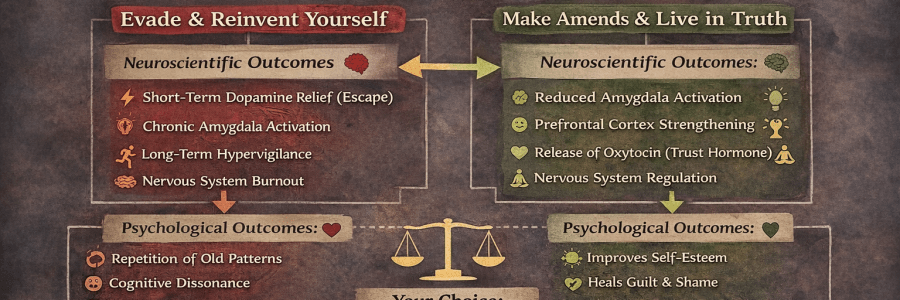
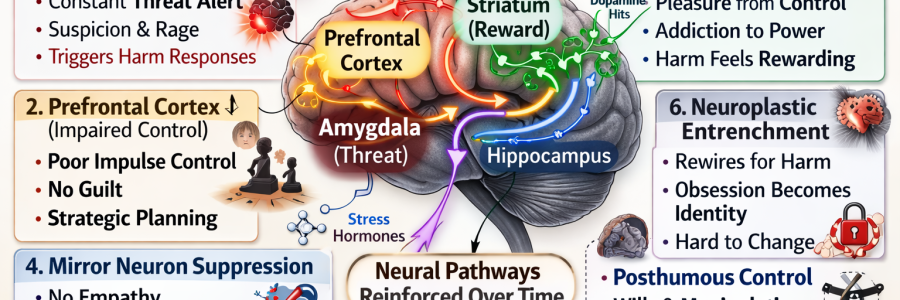
Why We Ignore Abuse—Until It’s Too Late

A Neuroscience Perspective on Awareness, Denial, and Accountability Many people only recognise the seriousness of abuse when it affects someone close to them. But by then, the damage is already done. Awareness, honesty, and accountability must come sooner—not later. Because ignoring abuse does not make it disappear—it allows it to continue. The Brain Prefers Comfort… Read More Why We Ignore Abuse—Until It’s Too Late

Why Abuse Continues: The Role of Silence, Denial, and Protection

Abuse does not exist in isolation. When someone moves through life harming partners, ex-wives, children, or others, and that behaviour is ignored, excused, or covered up, it creates the conditions for abuse to continue. This is the uncomfortable truth: abuse is not sustained by one person alone. It is sustained by the environment around them.… Read More Why Abuse Continues: The Role of Silence, Denial, and Protection

Don’t Judge What You Don’t Understand

It is easy for people to point fingers when they do not know the full story. But what often looks like “moving away from family” is sometimes the result of something much deeper—manipulation, coercion, and emotional control. When isolation is not a choice In some situations, people are gradually influenced or pressured into distancing themselves… Read More Don’t Judge What You Don’t Understand

⚖️ Dating the Lawyer, Doctor, Narcissist, Emotionally Unavailable: A Survival Guide

So you’re dating a lawyer. Congratulations — every conversation is now cross-examination. 💬 Arguments now include: You didn’t have a disagreement. You gave testimony. 🧾 Date nights look like: 🚨 Red flags you didn’t know existed: 🧠 Emotional state: Everything you say may be used against you… in affection. ❤️ Upside: 🧾 Downside: You are… Read More ⚖️ Dating the Lawyer, Doctor, Narcissist, Emotionally Unavailable: A Survival Guide

Healthy Trust-Building Timeline (after early vulnerability)

🔹 Phase 1: Early connection (0–2 weeks / 1–4 dates) What’s normal: If you’ve shared something vulnerable here: 👉 Key sign: nothing suddenly accelerates 🔹 Phase 2: Initial trust (2–6 weeks) What starts to develop: Healthy progression: 👉 Key sign: trust builds through consistency, not intensity 🔹 Phase 3: Emerging attachment (6–12 weeks) What’s normal now: Healthy… Read More Healthy Trust-Building Timeline (after early vulnerability)