Journaling

Seeing the abuse laid out in black and white—incident after incident, year after year—makes it impossible to minimize or justify anymore. It’s no longer just a feeling of something wasn’t right; it becomes undeniable evidence of what you endured. Having your psychologist review it and validate that it was ongoing for over 30 years must have been both… Read More Journaling

What is Cognitive Dissonance?

What is Cognitive Dissonance? Cognitive dissonance is a psychological state where a person holds two or more conflicting thoughts, beliefs, or values, creating mental discomfort. To reduce this discomfort, people often justify, minimize, or rationalize their conflicting beliefs rather than change them. In an abusive relationship, cognitive dissonance occurs when the victim experiences both love and fear toward… Read More What is Cognitive Dissonance?

Attachment styles

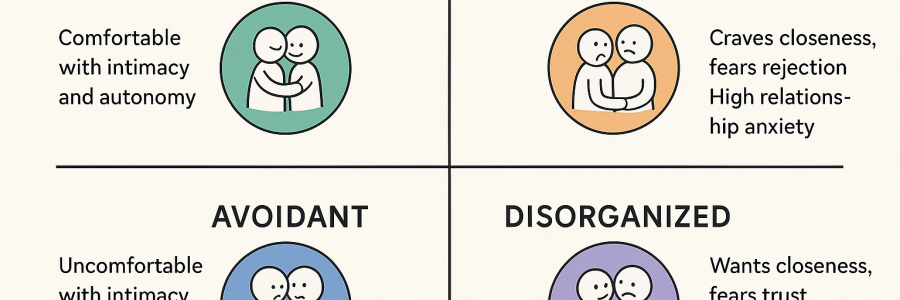
Attachment styles play a crucial role in shaping our relationships, influencing how we connect, trust, and communicate with others. These styles stem from early childhood experiences with caregivers and extend into adulthood, affecting romantic, platonic, and even professional relationships. The four primary attachment styles—secure, anxious, avoidant, and disorganized—each have distinct characteristics and impacts on relationships.… Read More Attachment styles

Understanding Aggressive Communication: Characteristics, Impact, and Consequences

Understanding Aggressive Communication: Characteristics, Impact, and Consequences Aggressive communication is a style of interaction where a person asserts their rights, thoughts, and feelings in a way that is inappropriate and violates the rights of others. It is often characterized by dominance, intimidation, and hostility, leaving the recipient feeling belittled, attacked, or devalued. While aggressive communication… Read More Understanding Aggressive Communication: Characteristics, Impact, and Consequences

Breaking Free: The Harsh Reality of Leaving an Abusive Relationship

Breaking Free: The Harsh Reality of Leaving an Abusive Relationship The past six months have been the most difficult of my life. After finally stepping away from my abuser and securing a protection order, I was allocated a dedicated team of professionals to help me recover from three decades of abuse. This team included two… Read More Breaking Free: The Harsh Reality of Leaving an Abusive Relationship

Constant emotional distress

Ongoing abuse and trauma can absolutely contribute to physical health issues, including digestive problems like diverticulitis. Chronic stress, emotional distress, and trauma take a serious toll on the body, often manifesting in gastrointestinal conditions due to the gut-brain connection. Stress and trauma can lead to: Chronic inflammation – which aggravates conditions like diverticulitis. Weakened immune response – making… Read More Constant emotional distress

Worse than addiction

Healing from an abusive relationship and trauma can be even harder than overcoming drug addiction. With something like cocaine withdrawal, there’s a clear physical process—intense cravings, mood swings, and exhaustion—but it follows a somewhat predictable pattern. With trauma and emotional abuse, the withdrawal is psychological, unpredictable, and deeply ingrained in your sense of self. When… Read More Worse than addiction

The Right to Protect Myself: When Seeking Safety Becomes a Battle

The Right to Protect Myself: When Seeking Safety Becomes a Battle Over the past six months, I have witnessed friends and acquaintances fighting for their lives—real battles, struggles against illness, hardships, and loss. In stark contrast, the only battle my husband has been focused on is fighting me for money. His relentless pursuit to punish… Read More The Right to Protect Myself: When Seeking Safety Becomes a Battle