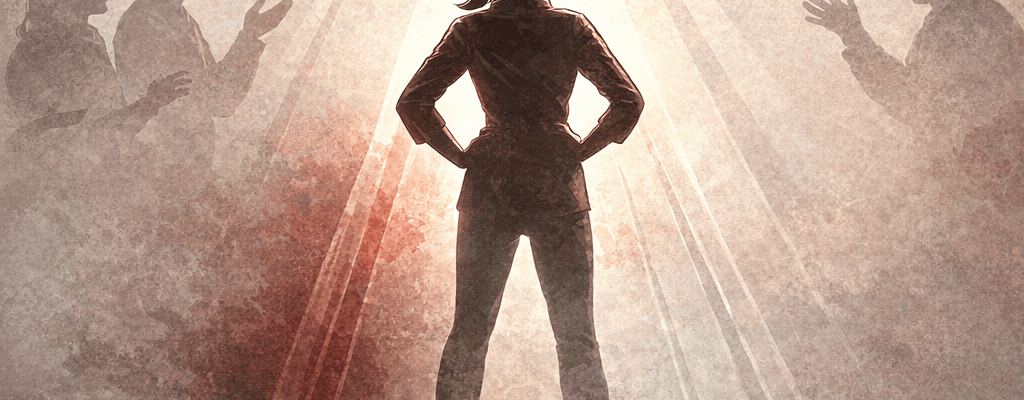
For many perpetrators, the divorce decree or financial settlement feels like the final chapter.
They believe the marriage is over, the paperwork has been signed, and they have escaped accountability. They assume that because the relationship has legally ended, the abuse has been buried with it.
But for some survivors, that is not the end of the story.
It is only the beginning.
The years immediately after leaving are often spent simply surviving—finding a safe home, rebuilding financial stability, recovering physically and emotionally, and learning to live without fear. Many survivors are too exhausted, traumatised or overwhelmed to think about anything beyond getting through each day.
As healing begins, something remarkable often happens.
The fog starts to lift.
The survivor begins to understand that what happened was not normal. They recognise patterns of coercive control, manipulation and violence that they once believed were somehow their fault. Confidence slowly returns. Strength replaces fear. Their voice, silenced for years, begins to emerge.
And with that strength comes a question many perpetrators never expected:
“Should I now seek justice?”
For some, the answer is yes.
Not because they seek revenge, but because they seek truth, accountability and recognition of the harm that was done.
The irony is that while the perpetrator may believe they have won—that they have kept the money, protected their reputation or avoided consequences—the survivor may only just be reaching the point where they are emotionally able to pursue justice.
Abusers often underestimate the resilience of the people they tried to break.
They mistake silence for surrender.
They mistake survival for defeat.
But healing can transform fear into courage, and courage can lead to accountability.
Sometimes the greatest mistake an abuser makes is believing that the end of the marriage is the end of the story.
For some survivors, it is simply the moment they become strong enough to begin writing the next chapter.

