One of the hardest realisations after leaving a controlling or abusive relationship is recognising that the behaviour didn’t begin with you.
You didn’t cause it.
You didn’t create it.
And, unless the person genuinely accepts responsibility and commits to meaningful change, it is unlikely to end with you.
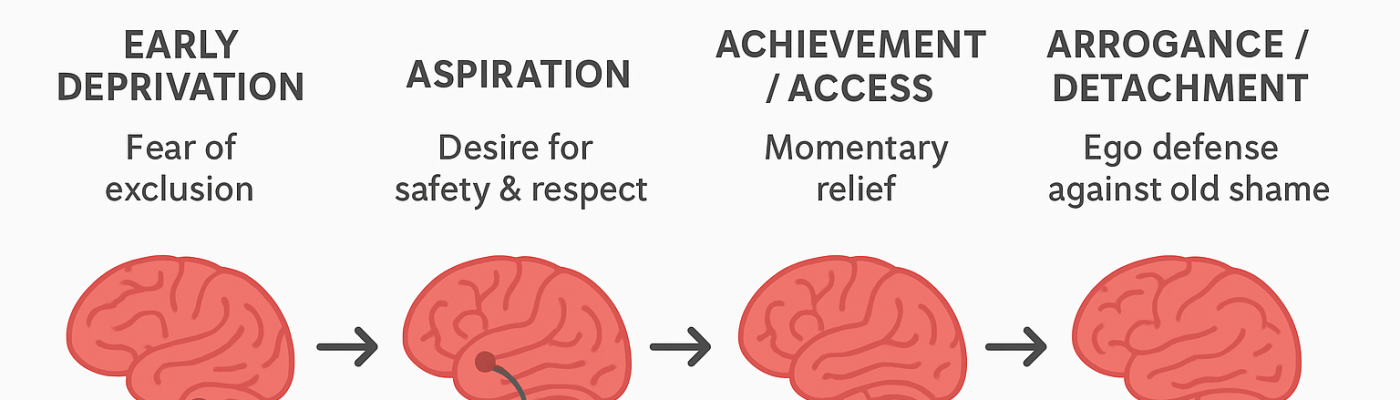
Many patterns of behaviour are learned early in life. Children absorb attitudes, beliefs and ways of relating from the people around them. They learn how conflict is handled, how money is used, how love is expressed, and how power is exercised within relationships.
Some grow up in homes where kindness, respect and equality are modelled.
Others grow up believing that control, manipulation, emotional neglect or financial domination are normal because that is all they have ever known.
This does not mean that someone is destined to become abusive. Many people who grow up in unhealthy environments choose a very different path. They recognise the harm, seek help, and consciously build healthier relationships.
But when harmful behaviours are never questioned—or are even rewarded—they can become deeply ingrained habits that continue into adult relationships.
That is why survivors sometimes hear comments such as:
“He’s always been like that.”
“That’s just how the men in that family are.”
“Nothing has changed in years.”
While these observations may suggest a long-standing pattern, they are not proof that the behaviour will always continue. People are capable of change, but meaningful change usually requires insight, accountability, willingness and sustained effort.
For survivors, there can be a strange sense of relief in recognising this.
You stop asking:
“Why wasn’t I enough?”
And begin asking:
“Why did I spend so long trying to change someone who didn’t want to change?”
The answer is often rooted in hope.
Hope that love would be enough.
Hope that patience would make a difference.
Hope that if you gave more, tolerated more, or asked for less, things would improve.
Real healing begins when you understand that another person’s long-established patterns were never yours to fix.
You may not have been the first person to experience those behaviours.
You may not be the last.
But you can be the person who says:
“The pattern stops with me.”
You choose not to accept the bare minimum.
You choose relationships built on respect, honesty, generosity and emotional safety.
And that choice has the power to change the course of your own life, regardless of the past.

