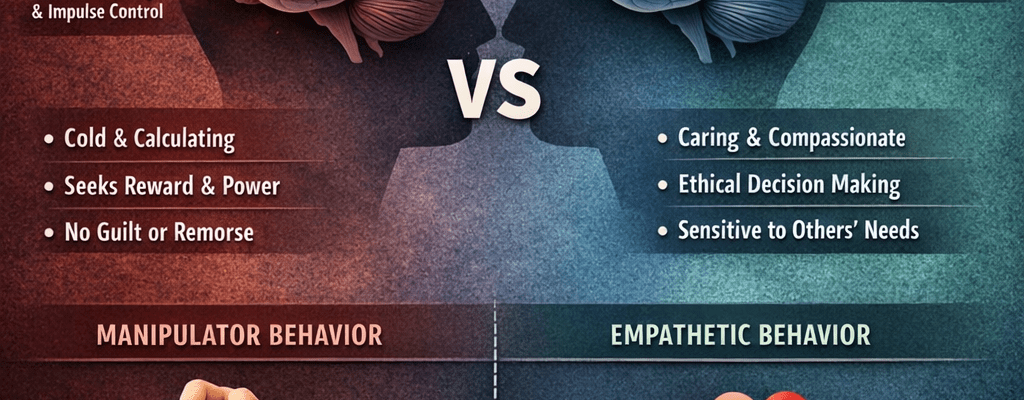
“Holding onto anger is like drinking poison and expecting the other person to suffer.” While this quote is often attributed to the Buddha, modern neuroscience suggests there is truth behind the sentiment. Chronic bitterness and vindictiveness affect not only relationships but also the brain and body of the person who carries them.
Most people experience jealousy, anger and resentment at times. These emotions are normal and often temporary. For some individuals, however, these feelings become deeply ingrained. They may spend years pursuing revenge, obsessing over perceived injustices, or feeling distressed whenever someone else experiences happiness, financial success or personal freedom.
Research in psychology and neuroscience suggests that this behaviour is rarely about the other person alone. Instead, it often reflects a complex interaction between personality, emotional regulation, brain function, life experiences and deeply held beliefs about oneself and the world.
When Resentment Becomes an Identity
Clinical psychologists distinguish between experiencing resentment and building an identity around resentment.
Most people eventually process painful experiences and move forward. Vindictive individuals often remain psychologically attached to the original event long after it has ended. The conflict becomes part of who they are.
They replay conversations, revisit old arguments and continually search for evidence that confirms they were wronged. This process, known as rumination, is one of the strongest predictors of prolonged anger, depression and anxiety.
Research by psychologist Susan Nolen-Hoeksema demonstrated that repetitive rumination keeps negative emotions active rather than allowing them to fade naturally. Instead of healing emotional wounds, rumination repeatedly reopens them.
The Brain’s Threat Detection System
Neuroscience shows that the brain does not simply respond to physical danger—it also reacts to threats to reputation, status, self-esteem and social standing.
The amygdala, a small almond-shaped structure deep within the brain, plays a central role in detecting emotional threats. In people who struggle with chronic anger or hostility, the amygdala may become highly reactive to perceived insults, criticism or rejection.
At the same time, the prefrontal cortex, responsible for judgement, impulse control and emotional regulation, helps us evaluate whether a threat is real, exaggerated or imagined.
When emotional regulation is poor, the amygdala can dominate decision-making while the calming influence of the prefrontal cortex becomes less effective. This makes impulsive retaliation and persistent hostility more likely.
Why Revenge Can Feel Rewarding
One of the most fascinating discoveries in neuroscience is that revenge can briefly activate parts of the brain associated with reward.
Functional MRI studies by researchers including Dominique de Quervain found that contemplating revenge activates areas of the dorsal striatum, a region involved in reward processing and motivation.
This helps explain why people sometimes describe revenge as satisfying.
However, the reward is usually temporary.
Unlike genuine emotional healing, revenge rarely resolves the underlying hurt. Instead, it often reinforces the cycle of resentment by encouraging the brain to associate retaliation with temporary relief.
The result can become psychologically addictive.
Jealousy, Envy and Financial Success
Money represents far more than income.
Psychologists recognise that wealth often symbolises:
- achievement,
- competence,
- independence,
- social status,
- security,
- attractiveness,
- and personal value.
Research distinguishes between two forms of envy.
Benign envy motivates people to improve themselves.
“If they achieved it, perhaps I can too.”
Malicious envy, however, motivates people to reduce another person’s success.
“If I cannot have it, neither should they.”
Studies by psychologists Niels van de Ven and colleagues suggest these two forms of envy produce very different behavioural outcomes.
This helps explain why one person may admire someone who becomes financially successful while another becomes increasingly hostile toward them.
The Role of Social Comparison
According to psychologist Leon Festinger’s Social Comparison Theory, people naturally compare themselves with others.
Healthy comparison can inspire growth.
Unhealthy comparison damages self-esteem.
Individuals with fragile self-worth often evaluate themselves almost entirely through comparison.
Instead of asking:
“Am I improving?”
they ask:
“Am I doing better than them?”
This creates a zero-sum mentality where another person’s success is experienced as personal failure.
Financial success, career achievements or happy relationships become emotionally threatening because they challenge the individual’s self-image.
Personality Characteristics Associated with Vindictiveness
Vindictiveness itself is not a psychiatric diagnosis.
However, research has found associations between chronic vindictiveness and certain personality traits, including:
- high hostility,
- chronic suspiciousness,
- low agreeableness,
- narcissistic traits,
- difficulty accepting responsibility,
- excessive sensitivity to criticism,
- rigid black-and-white thinking,
- low empathy,
- and persistent externalisation of blame.
These traits can occur to varying degrees and do not necessarily indicate a diagnosable personality disorder.
It is important not to label or diagnose individuals without a comprehensive assessment by a qualified mental health professional.
The Brain Learns What We Practise
One of the most important principles in neuroscience is neuroplasticity.
Neural pathways strengthen through repetition.
The phrase “neurons that fire together wire together,” popularised by neuropsychologist Donald Hebb, summarises this principle.
When someone repeatedly practises gratitude, compassion and forgiveness, those emotional patterns become easier to access.
When someone repeatedly practises resentment, hostility and revenge, those pathways also become stronger.
Over years or decades, bitterness can become a deeply ingrained habit of thinking.
Why Some People Cannot Celebrate Another Person’s Success
Healthy individuals usually understand that life is not a competition.
Vindictive personalities often believe resources such as love, success, recognition or money are limited.
Psychologists refer to this as a scarcity mindset.
If someone else succeeds, they interpret it as evidence that they have somehow lost.
This belief often produces:
- jealousy,
- resentment,
- gossip,
- attempts to undermine others,
- constant criticism,
- and satisfaction when another person experiences setbacks.
The German word Schadenfreude describes pleasure derived from another person’s misfortune. Studies suggest this reaction is more likely when the other person is viewed as a rival or when their success evokes envy.
What Chronic Bitterness Does to the Body
The consequences extend beyond mental health.
Long-term hostility has been linked with:
- elevated cortisol levels,
- increased blood pressure,
- poorer immune function,
- higher risk of cardiovascular disease,
- disturbed sleep,
- anxiety,
- depression,
- and reduced overall wellbeing.
Researchers such as Janice Kiecolt-Glaser have shown that chronic psychological stress can impair immune functioning and slow physical recovery.
In other words, bitterness affects the person experiencing it as much as anyone else.
Can Vindictive People Change?
Yes—but change requires insight.
Research consistently shows that lasting personality change usually begins when individuals recognise that their behaviour is harming both themselves and others.
Effective interventions may include:
- Cognitive Behavioural Therapy (CBT),
- Schema Therapy,
- Mentalisation-Based Therapy,
- Compassion-Focused Therapy,
- mindfulness-based interventions,
- and emotional regulation training.
These approaches help people recognise distorted thinking, reduce rumination, improve empathy and develop healthier ways of responding to conflict.
However, meaningful change depends on the individual’s willingness to engage. It cannot be imposed by family members, friends or former partners.
Conclusion
Vindictiveness is rarely a sign of strength. Psychological research suggests it is more often rooted in unresolved emotional pain, insecurity, chronic social comparison and difficulties regulating emotions.
Neuroscience demonstrates that while revenge may briefly activate the brain’s reward circuitry, it does not provide lasting relief. Instead, it can reinforce the very patterns of anger and bitterness that keep people emotionally trapped.
By contrast, resilience is characterised by emotional flexibility, self-awareness, empathy and the ability to celebrate another person’s success without experiencing it as a personal defeat.
The healthiest minds are not those that spend years keeping score or seeking revenge. They are the ones that recognise an enduring truth: another person’s happiness, financial success or freedom does not diminish our own opportunities. Genuine fulfilment comes not from pulling others down, but from continuing to build a meaningful life regardless of what anyone else is doing.
Selected References
- Beck, A. T. (1976). Cognitive Therapy and the Emotional Disorders.
- de Quervain, D. J.-F., et al. (2004). The Neural Basis of Altruistic Punishment. Science, 305(5688), 1254–1258.
- Festinger, L. (1954). A Theory of Social Comparison Processes. Human Relations.
- Hebb, D. O. (1949). The Organization of Behavior.
- Kiecolt-Glaser, J. K., et al. Research on stress, immunity and health.
- Nolen-Hoeksema, S. Research on rumination and depression.
- van de Ven, N., Zeelenberg, M., & Pieters, R. Research distinguishing benign and malicious envy.
- Worthington, E. L. Research on forgiveness and psychological wellbeing.

