Boundary Theory: Understanding, Establishing and Maintaining Healthy Boundaries

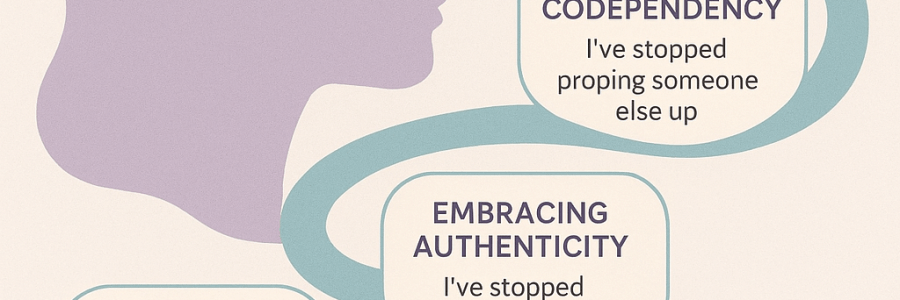
Boundary theory explores how we define, communicate and protect the limits of what we consider acceptable in our relationships, work and personal lives. In emotional wellbeing and trauma recovery, boundaries are particularly important because they help restore autonomy, personal safety, self-respect and trust in our own decisions. 1. The five key principles of boundaries 1. Personal… Read More Boundary Theory: Understanding, Establishing and Maintaining Healthy Boundaries

Different Types of Water Therapy

Water has been used for centuries to promote relaxation, healing, and wellbeing. While water therapy is not a substitute for medical treatment, many people find it helpful for reducing stress, easing muscle tension, and supporting physical recovery. 1. Shower Visualization Therapy Using a shower as a mindfulness practice. As the water flows over your body,… Read More Different Types of Water Therapy

A decent human being

A decent human being is generally understood as someone who consistently behaves in ways that preserve dignity, safety, and fairness for themselves and others — especially when there is no personal gain or when it’s inconvenient. In practical psychological terms, it tends to include: 1. Basic respect for others Treating people as inherently worthy of consideration Not… Read More A decent human being

Healthy Communication: What It Really Looks Like

Healthy communication isn’t about perfection. It’s about clarity, respect, and emotional presence. Here’s how it shows up in real life: 1. Words and Actions Align Someone says what they mean and does what they say. Plans made are plans kept. Affection, appreciation, and effort match their words. Example: “I’ll call you at 7 PM” → they… Read More Healthy Communication: What It Really Looks Like

The Difference Between Kindness and Naivety: How Healthy People Set Boundaries

Kindness is often misunderstood. When someone is warm, empathetic, and generous with their time or support, people sometimes assume they are naive or easy to take advantage of. Unfortunately, manipulative personalities often encourage this belief because it allows them to continue exploiting others without being challenged. But kindness and naivety are not the same thing.… Read More The Difference Between Kindness and Naivety: How Healthy People Set Boundaries

Why Kind People Feel Guilt More Intensely

1. Empathy Turns Other People’s Emotions Into Your Responsibility Kind people have highly active empathy networks (including the anterior insula and anterior cingulate cortex).This means you don’t just understand how someone feels — you feel it with them. So when someone is upset: your brain registers it as a shared problem your nervous system moves toward repair guilt arises not because you… Read More Why Kind People Feel Guilt More Intensely