How to Disengage Without Guilt
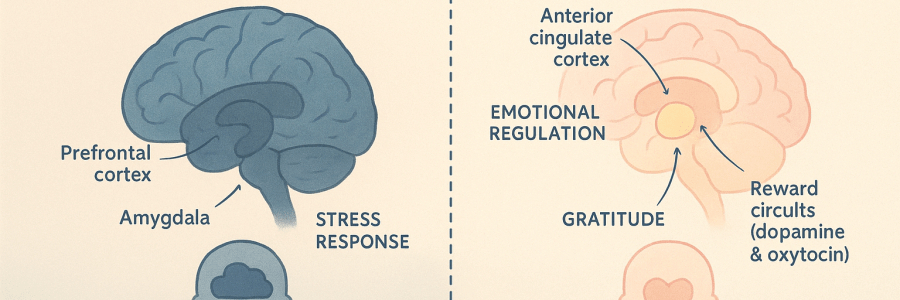
1. Reframe What You’re Doing (This Is Key) Guilt comes from a false belief: “I’m abandoning someone.”The truth is: you’re stopping unpaid emotional labour. In healthy relationships, care is reciprocal.When it isn’t, stepping back is self-protection, not cruelty. Neuroscience note: Guilt is often a conditioned response driven by the amygdala (threat/shame). When you reframe the story, the prefrontal cortex regains… Read More How to Disengage Without Guilt

Why Healthy Relationships Matter

Surrounding yourself with healthy, supportive, and inspiring people is one of the most powerful ways to protect your emotional well-being, reinforce positive habits, and create resilience against toxic or dark-trait individuals. Here’s a breakdown of why and how to do it effectively: 1. Why Healthy Relationships Matter Neuroscience Perspective Mirror neurons: When you’re around people who are… Read More Why Healthy Relationships Matter

Being Given Protection From Newly Discovered, Connected Family

(Psychological and practical meaning) When you find out that you are related to a family with influence, power, or a dangerous past, “protection” can have different layers. Some are emotional, some are symbolic, and some are practical. Below is what this experience usually means — and how to navigate it safely. 1. Psychological Protection: “I… Read More Being Given Protection From Newly Discovered, Connected Family

It wasn’t the holiday that traumatised you — it was the person.

Rebuilding joy around holidays that were once ruined is absolutely possible, and often, it becomes even more beautiful than before because it’s conscious, intentional, and fully yours.You’re not just “getting over” the past — you’re reclaiming territory that used to belong to someone else’s chaos. Think of this as taking your holidays back, and rewriting the emotional script. Here’s… Read More It wasn’t the holiday that traumatised you — it was the person.

Confusing kindness with obligation

Gratitude is more than polite words — it’s a reflection of how someone perceives relationships, empathy, and reciprocity. When a person cannot acknowledge kindness, it’s not a trivial social faux pas; it’s a signal about their inner framework and how they relate to others. Here’s what’s really happening: Confusing kindness with obligationSome people have been… Read More Confusing kindness with obligation

The Kindness Trap: When “Helpful” Becomes “Used-Up”

It starts innocently enough.You help. You lend. You sew. You bake. You listen. You fix. Before long, you’ve become the neighbourhood “Oh, she can do it!” “She’s got a sewing machine!”“She’s so kind — she’ll help you.”“Ask her, she’s the best!” And yes — you are the best.Until the day comes when you need help, and suddenly… tumbleweeds.The… Read More The Kindness Trap: When “Helpful” Becomes “Used-Up”

💎 1. What Self-Respect Really Means

Self-respect isn’t arrogance or pride — it’s self-recognition.It’s knowing: “My time, energy, and love are valuable. I don’t have to beg to be treated well.” Psychologically, it’s the ability to hold your boundaries even when someone tries to guilt, shame, or confuse you into lowering them.You can still be kind — but you stop being a resource for… Read More 💎 1. What Self-Respect Really Means

The Golden Rule

That principle — often called the golden rule — is simple on the surface but incredibly rich when you look at it through psychology, neuroscience, and lived experience. 🌿 Here’s a reflective expansion: The Core of It Treating others as you would like to be treated yourself is really about empathy and integrity. It asks us to… Read More The Golden Rule

How to Recognize When You’re Being Pulled Into Head Games

Before you can set boundaries, it’s important to become aware of the subtle ways these manipulations sneak in. Here are some signs to watch for: You Feel Confused or Doubt Yourself OftenIf after interactions with this person, you’re second-guessing your memory, your feelings, or your sense of reality, that’s a red flag. This is sometimes… Read More How to Recognize When You’re Being Pulled Into Head Games