From Inferiority to Control: What Adler Can Teach Us About Harmful Relationship Dynamics
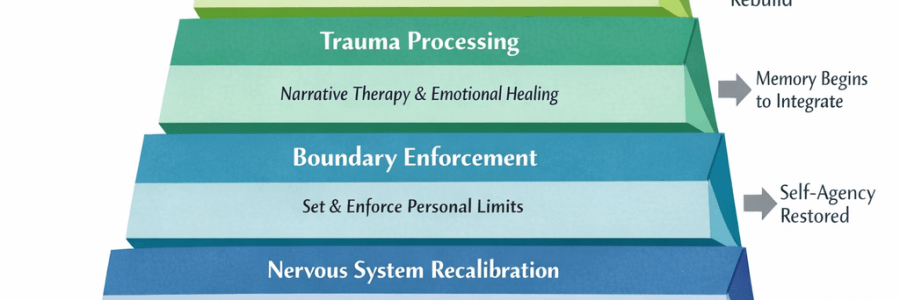
In 1912, Alfred Adler published The Neurotic Constitution, introducing a powerful idea: That many unhealthy behaviours are not random—but rooted in a deep sense of inferiority. Adler believed that when a person feels fundamentally “less than”—not good enough, not important enough, not secure enough—they don’t simply sit with that feeling. Instead, they try to compensate… Read More From Inferiority to Control: What Adler Can Teach Us About Harmful Relationship Dynamics

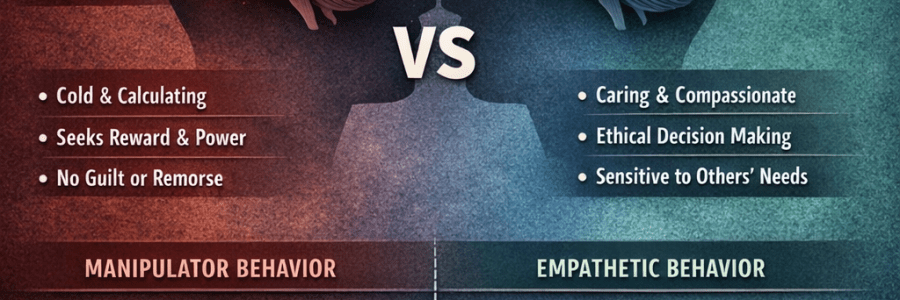
Kindness Costs Nothing — Yet Some People Still Refuse to Give It

Kindness costs nothing. No money.No status.No special privilege. And yet, for some people, it seems to be the hardest thing in the world to offer. That truth can be difficult to understand—especially if you are someone who gives kindness naturally. If you are someone who considers others, who chooses your words carefully, who would rather… Read More Kindness Costs Nothing — Yet Some People Still Refuse to Give It

High-Risk vs Manageable Behaviour: What Professionals Look For

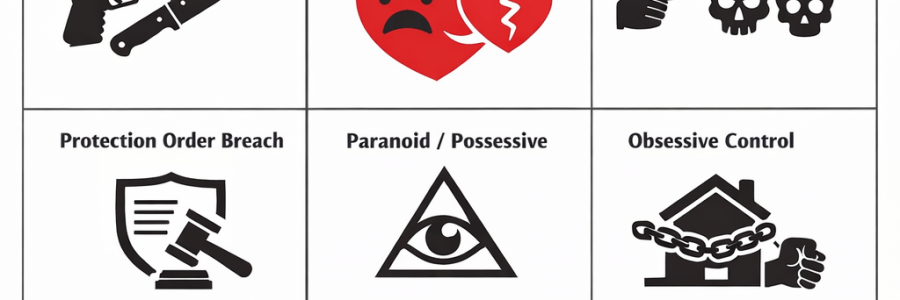
When psychologists or risk assessors use tools like the HCR-20 or PCL-R, they are not guessing — they are looking for specific patterns that predict escalation or persistence. 🚩 High-Risk Red Flags These are the behaviours that raise serious concern because they are linked to ongoing or escalating harm: 1. Persistence Over Time Behaviour continues for years or decades No… Read More High-Risk vs Manageable Behaviour: What Professionals Look For

How These Assessments Apply in Real Situations

When psychologists assess someone with patterns like: long-term control revenge thinking financial manipulation lack of accountability ongoing conflict after separation they’re not just looking at incidents — they’re looking at patterns across time, thinking style, and likelihood of change. 1. Using the HCR-20 in This Context A professional would map behaviour like this: Historical (H) They would look… Read More How These Assessments Apply in Real Situations

The full psychological picture:

Here’s a clear, simple explanation of each of these tools — what they are, how they’re used, and what they actually assess: 1. HCR-20 (Historical, Clinical, Risk Management-20) This is a professional risk assessment tool used mainly by psychologists, psychiatrists, and forensic specialists to evaluate the likelihood of future violent behaviour. What it looks at: It is divided into… Read More The full psychological picture:

Does Meanness Run in Families? Understanding Patterns That Seem to Pass Down Generations

“Meanness is often a deep, enduring pattern. You can’t cure it with more giving, more patience, or more self-sacrifice.” That truth leads to an important question: Does meanness run in families? The answer is not simple — but patterns absolutely can repeat across generations. It’s Not Just Personality — It’s Learned Behaviour Children don’t just… Read More Does Meanness Run in Families? Understanding Patterns That Seem to Pass Down Generations

When People Take Advantage: The Psychology of Entitlement and Lack of Integrity

Most people understand fairness. They understand balance — giving, taking, contributing, respecting others. But there are some individuals who operate very differently. They show up when something is free.They are present when someone else is paying.They benefit where they can — regardless of relationships, values, or integrity. And often, they will align themselves with people… Read More When People Take Advantage: The Psychology of Entitlement and Lack of Integrity

Criminal Liability, Behavioural Control, and the Neuroscience of Post-Separation Abuse

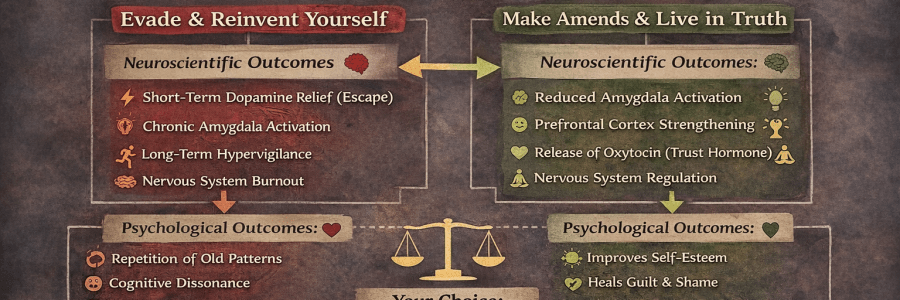
When abuse continues after separation, it is often misunderstood as emotional “refusal to move on.” In reality, psychology and neuroscience show that entrenched behavioural patterns do not automatically soften when a relationship ends — and in some cases, external distance can intensify control-based responses. At the same time, in many jurisdictions, behaviours such as harassment,… Read More Criminal Liability, Behavioural Control, and the Neuroscience of Post-Separation Abuse

When an Adult Child Says “My Father Ruined My Childhood”: Understanding Pain, Anger, and What Families Can Do Next

Hearing an adult child say that a parent “ruined their childhood through abusive behaviour” is one of the most emotionally charged moments a family can face. It is not a casual statement. It usually carries years — sometimes decades — of stored pain, unresolved memory, and emotional injury that has never been fully processed. For… Read More When an Adult Child Says “My Father Ruined My Childhood”: Understanding Pain, Anger, and What Families Can Do Next