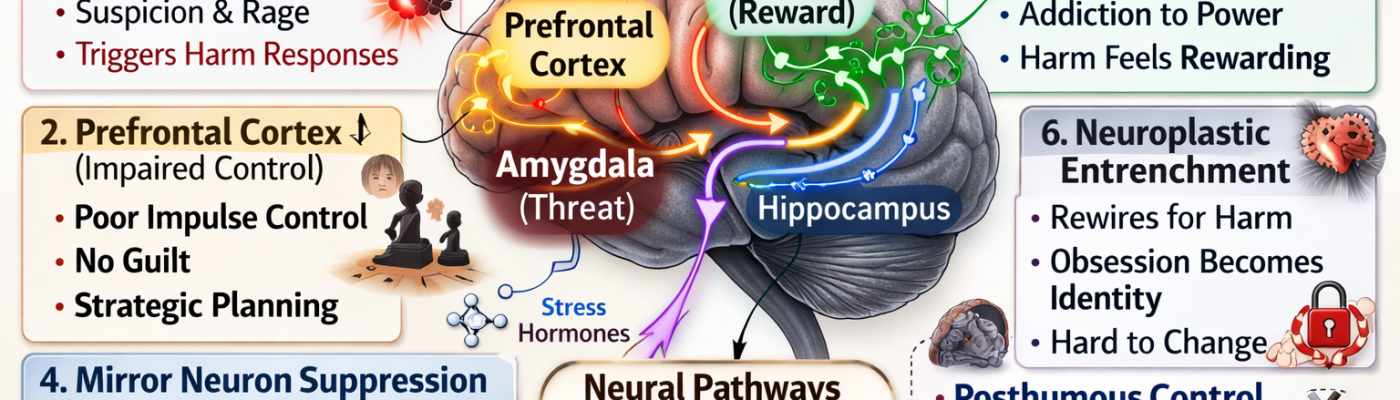
Sadism isn’t just “being mean” or “cold.” Clinically and psychologically, it refers to a pattern where a person derives pleasure, satisfaction, or a sense of control from causing others discomfort, humiliation, or suffering. It exists on a spectrum—most people don’t meet any clinical threshold, but some traits can show up in everyday behaviour in milder or more socially masked forms.
Here are some commonly observed characteristics associated with sadistic traits:
Core psychological features
1. Enjoyment of others’ discomfort
A defining feature is a noticeable positive reaction to someone else’s pain, embarrassment, or distress—sometimes subtle (smirking, satisfaction), sometimes overt.
2. Controlling or domineering behaviour
They may seek power over others through intimidation, manipulation, or emotional control, often enjoying the imbalance.
3. Lack of empathy in key moments
Not necessarily a total absence of empathy, but a selective shutdown of empathy when it interferes with their gratification or control.
4. Humiliation as entertainment
They may use sarcasm, ridicule, “jokes,” or criticism that crosses into degrading others, especially in group settings.
5. Escalation of cruelty if unchecked
When there are no consequences, the behaviour may intensify over time—testing boundaries to see how much harm they can cause without repercussion.
Interpersonal patterns
6. Gaslighting or emotional destabilisation
They may distort reality, deny facts, or confuse others to maintain psychological control.
7. Targeting perceived vulnerability
People who are anxious, dependent, kind, or socially isolated may be more likely to be targeted.
8. Enjoyment of “winning” emotionally
They may not just want to be right—they want the other person to feel defeated, ashamed, or small.
Emotional and cognitive traits
9. Low guilt or remorse in harmful situations
When harm is caused, there is often little genuine remorse—more focus on justification or blame-shifting.
10. Strategic charm
Some individuals can appear charismatic, persuasive, or even caring in public settings while behaving very differently in private.
11. Sensitivity to control and status
They may react strongly when they feel challenged, losing control, or not being seen as superior.
Important nuance
- Sadistic traits exist on a spectrum—not everyone with a few traits is a sadist.
- Stress, trauma, personality disorders, or learned behaviour can sometimes mimic similar patterns without true sadistic intent.
- Diagnosis (when relevant) requires a qualified clinician; behaviour patterns alone don’t equal a label.
A grounded takeaway
The most useful lens is not “what is this person?” but:
- Do they feel energised by others’ distress?
- Do they repeatedly cross emotional or psychological boundaries?
- Do you feel diminished, confused, or unsafe around them over time?
Those patterns matter more than labels.

