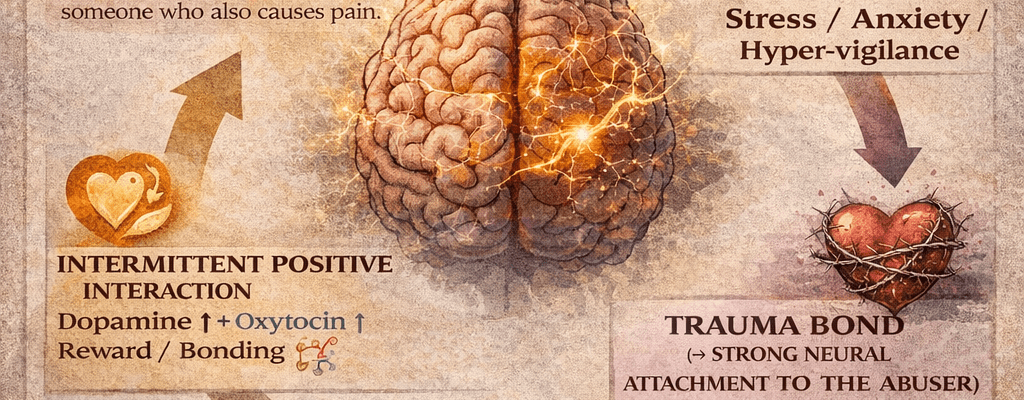
When an abuser witnesses the impact of their own behavior on their children or grandchildren, especially in a courtroom setting where they observe further abuse unfolding, a complex and profound emotional and psychological dynamic emerges. This scenario reveals layers of denial, accountability, and the cyclical nature of abuse that can affect families deeply.
Abuse often thrives in silence, denial, and secrecy. When an abuser is confronted with the reality of their actions—particularly when they see the consequences reflected in the suffering of their own family members—it can provoke a range of intense emotions and realizations.
Witnessing the Cycle of Abuse
Seeing a son-in-law lie under oath and abuse their daughter can be a stark mirror for the abuser. It forces a confrontation with the painful truth that abuse is not an isolated incident but a cycle that perpetuates through generations if left unaddressed. The abuser may experience:
- Shock and Disbelief: Despite their own past actions, the abuser might initially struggle to accept the reality unfolding before them, especially if denial has been a coping mechanism.
- Guilt and Shame: Witnessing the direct harm to their loved ones can trigger feelings of guilt for their own role in enabling or perpetuating abuse.
- Anger and Defensiveness: Some may react with anger—either at the abuser they see or at the situation—sometimes attempting to deflect blame or minimize the abuse.
- Remorse or Regret: For a few, this moment can spark genuine remorse and a desire to change, recognizing the damage caused across generations.
- Powerlessness and Confusion: The complexity of family dynamics and legal proceedings may leave the abuser feeling overwhelmed or uncertain about how to respond.
The Emotional Impact on Victims and Witnesses
For the children and grandchildren, seeing the abuser confronted with the truth can be validating but also emotionally fraught. It underscores the reality of their pain and the importance of breaking the cycle. For the abuser, this moment can be a pivotal point—either reinforcing denial or opening a path toward accountability.
Breaking the Cycle
Acknowledging the impact of abuse is the first step toward healing. Legal settings bring these issues into the open, demanding truth and accountability. When abusers witness the consequences of their behavior, it can:
- Encourage reflection and responsibility.
- Highlight the urgent need for intervention and support for victims.
- Serve as a catalyst for family healing, though this requires professional help and commitment.
This scenario illustrates the profound and often painful dynamics at play when abuse is confronted openly. It emphasizes the necessity of legal and social frameworks that protect victims and hold perpetrators accountable, while also fostering opportunities for rehabilitation and breaking the cycle of abuse within families.

