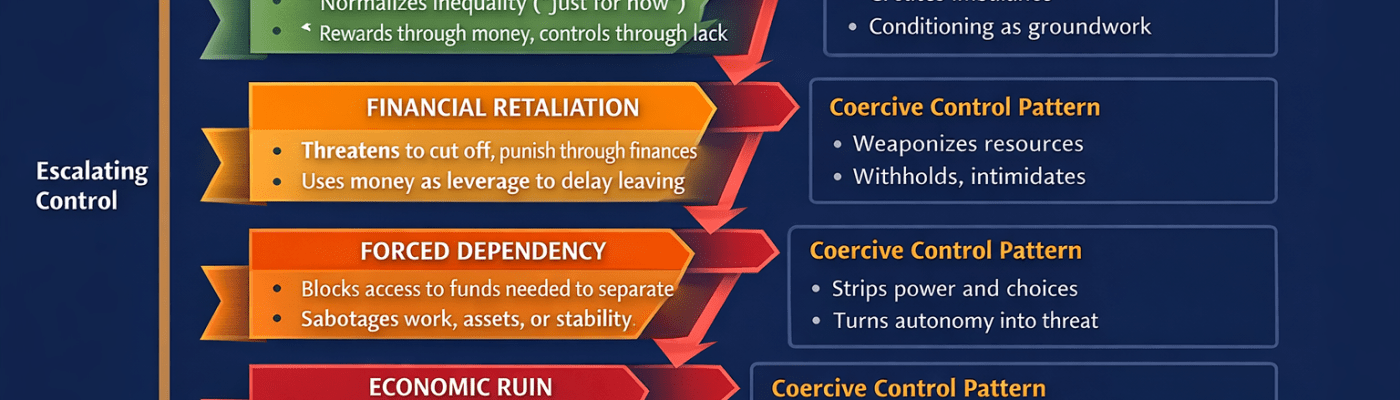
In psychology, “sadistic traits” refer to patterns where a person may derive satisfaction from another person’s discomfort, distress, or humiliation. These traits exist on a spectrum and are not always obvious or extreme. In everyday life, they may show up in subtle relational dynamics rather than overt cruelty.
It’s important to approach this topic with care: the goal is not to label people, but to understand behaviour patterns that can impact emotional safety and wellbeing.
What these patterns can look like in relationships
1. Enjoyment of others’ discomfort
Some individuals may appear to take subtle satisfaction in another person’s emotional reaction—such as embarrassment, distress, or vulnerability. This may be expressed through tone, humour, or persistent teasing that crosses comfort boundaries.
2. Repeated boundary testing
A common pattern involves gradually pushing limits:
- continuing jokes after discomfort is expressed
- minimising concerns when they are raised
- treating “no” as negotiable
Over time, this can blur a person’s sense of emotional safety.
3. Use of humiliation or ridicule
In some dynamics, humour or criticism may shift into something that feels diminishing rather than connective. Even when framed as “banter” or “honesty,” the emotional impact may feel consistently one-sided.
4. Emotional invalidation
A person may frequently dismiss or reinterpret another’s emotional response:
- “You’re too sensitive”
- “That’s not what I meant”
- “You’re overthinking it”
This can lead to self-doubt and confusion over time.
5. Power imbalance in conflict
Healthy disagreement involves repair and mutual understanding. In more harmful patterns, conflict may become about control or “winning,” rather than resolution or connection.
Psychological context
These behaviours can arise for different reasons, including:
- learned relational patterns from early environments
- difficulty with empathy or emotional regulation
- personality traits that prioritise control or dominance
- unresolved emotional insecurity expressed outwardly
Not all individuals who display some of these behaviours have a personality disorder or intentional harmful intent.
Emotional impact to be aware of
Over time, people in these dynamics may notice:
- increased self-doubt
- walking on eggshells in communication
- difficulty trusting their own perceptions
- emotional exhaustion after interactions
- reduced sense of confidence or openness
These responses are often the nervous system’s way of adapting to inconsistency or emotional unpredictability.
A balanced perspective
Understanding these patterns is not about assigning blame or defining someone as “good” or “bad.” It is about recognising what feels emotionally safe, respectful, and stable in relationships.
Healthy relationships generally involve:
- mutual respect for boundaries
- emotional responsiveness
- willingness to repair after conflict
- and a sense of psychological safety over time
When these elements are missing consistently, it may be helpful to reflect on the relationship dynamic rather than trying to change the other person.

