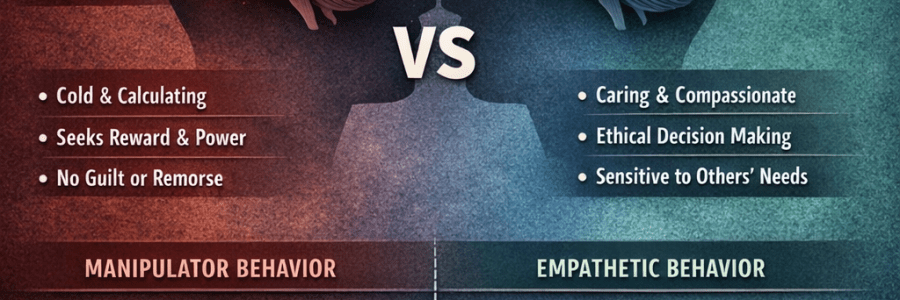
Beautiful Person vs Cruel Person

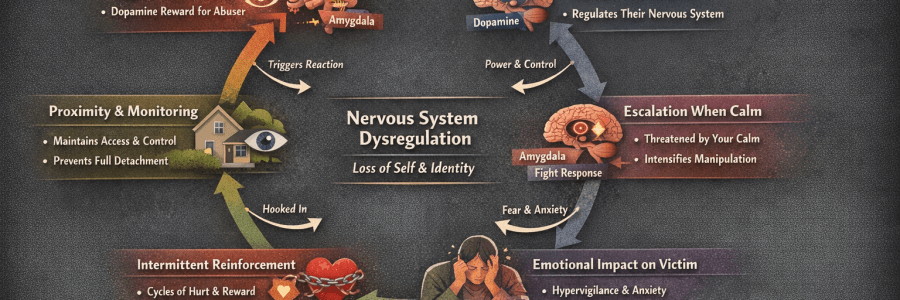
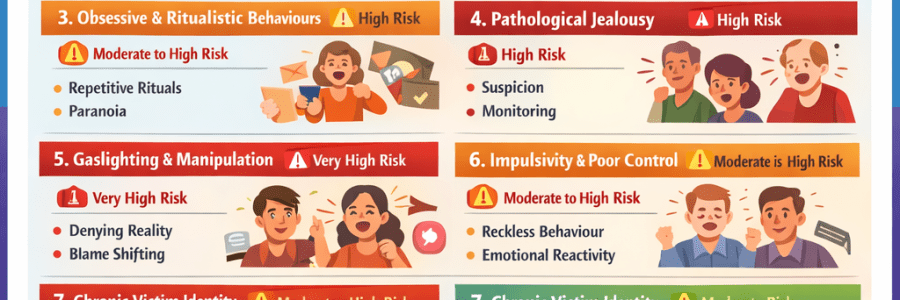
Beauty and cruelty are not simply about appearance. In psychology and neuroscience, the qualities that make someone beautiful “inside and out” are usually linked to empathy, emotional regulation, kindness, integrity, and healthy relationships. Cruelty and sadism are often associated with low empathy, entitlement, hostility, unresolved trauma, personality disorders, or learned patterns of domination and control.… Read More Beautiful Person vs Cruel Person

The Moment You Realise You Should Have Left Years Ago

People often imagine that the decision to leave an unhealthy relationship comes after one dramatic event. In reality, it is often the accumulation of hundreds, even thousands, of moments. A wet towel left on the floor. Dirty clothes scattered around the house. Toenail clippings left where someone else has to clean them up. A toilet… Read More The Moment You Realise You Should Have Left Years Ago

When Decades of Distance Tell Their Own Story

There comes a point in some family relationships when it becomes necessary to stop listening to explanations and start looking at patterns. If decades have passed with no shared holidays, no family celebrations, no meaningful effort to spend time together, no shared Christmases, no birthdays unless you organise and pay for everything yourself, it is… Read More When Decades of Distance Tell Their Own Story

Moral Justification

Moral disengagement, developed by Albert Bandura. They describe how people can commit, justify, or tolerate harmful behavior while preserving a positive view of themselves. Here’s a fuller explanation: 1. Moral Justification Harmful actions are reframed as serving a noble, moral, or necessary purpose. Examples: “I did it to protect my family.” “The abuse was for… Read More Moral Justification

Look at the Patterns, Not the Promises

One of the most common mistakes people make when trying to understand abusive behaviour is focusing on what the abuser says rather than what they consistently do. When someone has experienced emotional, psychological, financial, or physical abuse, they are often encouraged to focus on the latest apology, excuse, promise, or explanation. However, the real answers… Read More Look at the Patterns, Not the Promises