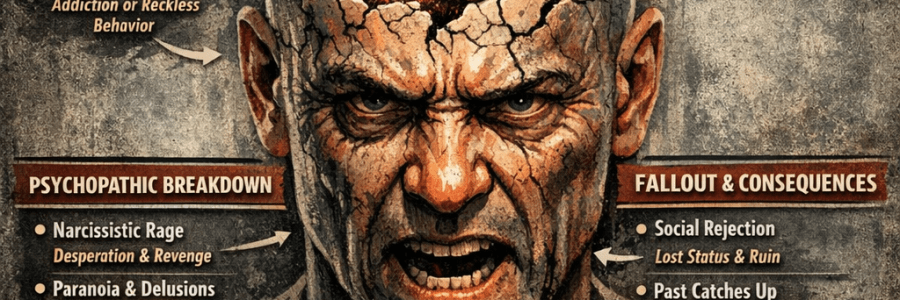
Vexatious Litigation / High Conflict Personality Litigation

Some people will spend tens — even hundreds — of thousands fighting nothing. Not to resolve.Not to protect themselves.But to maintain dominance, punish independence, and avoid losing psychological power. Here’s what psychology, neuroscience, and legal research all show about this: Why Some People Spend Vast Sums Fighting Pointlessly 1. Control is more important than money For these personalities: Power… Read More Vexatious Litigation / High Conflict Personality Litigation

What is control?

Here’s a clear, grounded definition of control, with concrete real-world examples, especially in the context of abuse, coercive control, and unhealthy power dynamics: What is control? Control is the systematic use of fear, pressure, threat, manipulation, or power to override another person’s autonomy, choices, safety, dignity, or freedom. It is not disagreement.It is domination. Core forms of control 1. Threat-based control… Read More What is control?

Serial Daters Who Target Vulnerable Women With Property — A Neuroscience Perspective

There is a specific dating pattern that rarely gets named, yet many women eventually recognize it only after emotional, psychological, or financial harm has already occurred: Serial daters who actively seek out vulnerable women who have stability, property, or resources. This is not romance.It is strategic attachment. From a neuroscience perspective, this behavior is driven less… Read More Serial Daters Who Target Vulnerable Women With Property — A Neuroscience Perspective

Why Emotionally Intelligent People Trust Too Deeply

1. High Empathy = High Projection Bias Emotionally intelligent people feel deeply, so their brain naturally assumes: “Others feel the way I do.” This is called empathic projection. Your nervous system is wired for: So your brain expects emotional coherence in others. But not all nervous systems are wired that way. This creates: over-trust based on internal truth,… Read More Why Emotionally Intelligent People Trust Too Deeply

Nervous System Differences

Authentic Bonders vs Emotional Performers 1. Core Nervous System State 🟢 Authentic Bonder Baseline state: Regulation & Safety They operate from: Safety → Connection → Bonding 🔴 Emotional Performer Baseline state: Threat & Survival They operate from: Threat → Strategy → Survival 2. Emotional Experience vs Emotional Simulation 🟢 Authentic Bonder They feel emotions internally first,… Read More Nervous System Differences

🧠 Nervous System & Brain Processing

When someone wants a relationship but avoids communication, calls, video, socialising, crowds, and mutual conversation This pattern usually reflects nervous system regulation + attachment + threat processing, not just “personality”. Let’s break it down. 🧠 Nervous System & Brain Processing 1. Chronic Threat Mode (Amygdala Overactivation) Their brain is often stuck in high-alert mode. So their nervous system reacts with:… Read More 🧠 Nervous System & Brain Processing

Using Threats to Evade the Truth and Silence Someone

(What’s really happening) When someone responds to truth, evidence, or accountability with threats, this is not strength, confidence, or power. It is fear-based control. The Core Dynamic When confronted with truth, a psychologically healthy person may feel: But they stay in dialogue. When someone instead threatens, it means: Their nervous system cannot tolerate exposure, so they reach for power.… Read More Using Threats to Evade the Truth and Silence Someone

How to Break the Cycle in Your Relationships

The goal: stop repeating learned patterns, reclaim emotional safety, and build authentic connections. 1. Recognize the Pattern First Before you can change anything, you must identify it. Signs you may be repeating poisonous pedagogy dynamics: Step: Write down recurring relational patterns you notice in yourself and others. 2. Re-parent Yourself Miller emphasizes self-compassion and self-validation as healing tools. Daily Practices:… Read More How to Break the Cycle in Your Relationships