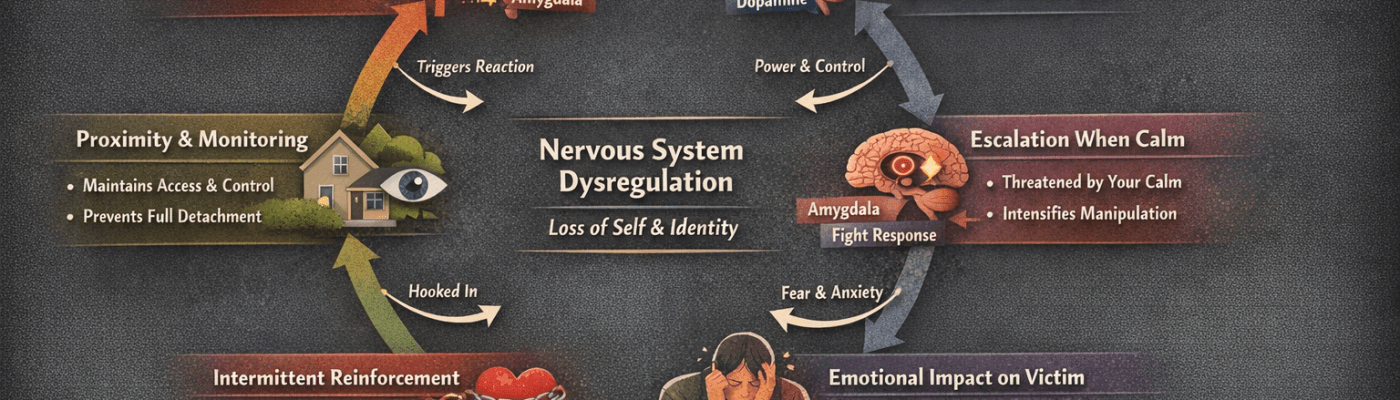
Abuse rarely exists in isolation. It thrives in secrecy, denial, and the unspoken rules that keep families trapped in harmful patterns. Across generations, the effects of abuse can ripple through families, shaping relationships, influencing behaviours, and leaving emotional wounds that may persist for decades.
Many families carry painful histories that are never openly discussed. Children are taught not to ask questions, not to challenge authority, and not to speak about what happens behind closed doors. Family loyalty often becomes more important than truth, and protecting reputations takes precedence over protecting vulnerable individuals.
In these environments, silence becomes a powerful tool. It shields abusers from accountability while leaving survivors feeling isolated, unheard, and unsupported.
The consequences can be devastating. Children raised in abusive households may struggle with trust, self-esteem, anxiety, depression, or difficulties forming healthy relationships. Some repeat familiar patterns because dysfunction has become normalised. Others spend years trying to understand and recover from experiences they were never allowed to discuss.
The cycle of abuse continues not simply because abuse occurs, but because it remains hidden. When families deny reality, minimise harm, or pressure victims to remain silent, they unintentionally create the conditions for abuse to flourish.
Breaking that cycle requires courage.
It begins when someone decides that the truth matters more than appearances. It happens when survivors refuse to carry secrets that were never theirs to keep. It happens when family members stop making excuses for abusive behaviour and start prioritising the safety and wellbeing of those who have been harmed.
Confronting abuse can be uncomfortable and painful. It may challenge long-held beliefs, expose family dysfunction, and force difficult conversations. Yet genuine healing cannot occur without honesty. Ignoring the problem does not make it disappear; it simply allows the damage to continue.
Accountability is an essential part of the healing process. Holding abusers responsible for their actions sends a clear message that abuse will not be tolerated or protected. Accountability is not about revenge. It is about recognising harm, protecting others, and creating opportunities for change.
Equally important is supporting survivors. Many survivors spend years doubting their own experiences because they have been dismissed, blamed, or ignored. Providing validation, understanding, and practical support helps restore the sense of safety and dignity that abuse often destroys.
When families are willing to face difficult truths, something remarkable can happen. Cycles that seemed permanent can be broken. New patterns of communication, respect, and accountability can emerge. Future generations can grow up in environments where love is not conditional, where boundaries are respected, and where safety is prioritised over secrecy.
While the cycle of abuse may be deeply ingrained, it is not unbreakable. Families who confront their painful truths create opportunities for healing, growth, and transformation. They replace silence with honesty, fear with safety, and shame with understanding.
The legacy we leave behind is not determined by what happened to us, but by what we choose to do about it.
By addressing abuse directly, holding abusers accountable, and supporting survivors, we can end the destructive legacy of silence and create a culture built on safety, respect, and compassion. Change begins with the courage to confront what has been hidden and the determination to build something better for the generations that follow.


*Title:*
*Prayer For Good Health & A Sound Mind | Daily Christian Prayer Request*
Heavenly Father,
I come before You today asking for good health and a sound mind.
Touch my body, Lord. Heal every sickness, every pain, every weakness. Let Your life flow through my bones, my blood, my organs. Make me strong from my head to my feet.
Guard my mind, God. Take away fear, anxiety, and negative thoughts. Fill my mind with peace, joy, and clarity. Help me think right, speak right, and make wise choices.
Your Word says in *2 Timothy 1:7* – _“For God hath not given us the spirit of fear; but of power, and of love, and of a sound mind.”_
I receive that sound mind today. I receive that good health today. I will not be sick. I will not be confused. I am strong in You.
Thank You Father, because You have heard me. In Jesus’ name, Amen.
*Prayer Request*: If you need prayer for your health or mind today, comment “Amen” below. God sees you.
LikeLike