The Dangers of Stimulant Drugs: How They Affect the Brain and Behavior

Lashing Out at Loved Ones: The increased irritability and paranoia can make stimulant users see their friends, family, or even pets as threats. They might react aggressively to minor disagreements or perceived slights.

Risk of Self-Harm: The intense anxiety and paranoia associated with stimulant abuse can push individuals to harm themselves out of fear, confusion, or desperation.

Dangerous Decision-Making: The flood of dopamine and norepinephrine can impair judgment, making users more likely to engage in risky behaviors like driving under the influence, getting into physical confrontations, or using dangerous methods to obtain more drugs.… Read More The Dangers of Stimulant Drugs: How They Affect the Brain and Behavior
Toxic Environment

Normalization of Drug Use:
In environments where substance use is normalized, the individual doesn’t face the social or personal pressures to quit. They’re surrounded by people who reinforce the idea that drug use is acceptable or even necessary for social bonding. These circles can create a toxic bubble where addiction is not only accepted but encouraged, making it even harder for someone to break away. Shared Denial and Rationalization:

Among other users, people often validate and rationalize each other’s behavior. Phrases like “We’re all just having fun” or “It’s not a problem as long as you can handle it” are common. This collective denial can make the individual feel justified in continuing their substance abuse. When everyone around them is engaging in the same behavior, it becomes harder for them to recognize that they have a problem.

Fear of Isolation:

Breaking away from a group of users can be emotionally terrifying for someone struggling with addiction. They may fear that leaving their social circle means facing loneliness, rejection, or isolation. If these are the only people they feel connected to, the idea of quitting might also mean losing their support network—albeit a toxic one. This can cause them to cling even more tightly to the group, despite knowing deep down that it’s harming them.… Read More Toxic Environment

Learning to Let Go and Set Boundaries

It’s incredibly difficult to watch someone you love refuse treatment or help when it’s clear they need it. However, change is a deeply personal journey, and until they’re ready, there’s little you can do to force it. What you can do is manage your own responses, set healthy boundaries, and ensure that you’re not sacrificing your own well-being in the process.

While you can’t control their choices, you can choose how to show up in their life in a way that is compassionate, supportive, and protective of your own needs. And sometimes, that’s the most powerful form of help you can offer.… Read More Learning to Let Go and Set Boundaries

Refusing Treatment

Denial of the Problem:
What it looks like: The person insists that their substance use is “under control” or “not a big deal.” They downplay the extent of the problem, refusing to see the negative impact it has on their life and others around them.
Why it happens: Addiction often comes with a powerful sense of denial. Admitting the problem would require the person to face their vulnerabilities, guilt, or shame. They may also fear losing the coping mechanism they’ve developed.… Read More Refusing Treatment

How Substance Abuse Influences Behavior

Accountability still matters: Even if the person is struggling with addiction, they are still responsible for their actions. Excusing bad behavior because of addiction can enable it. People in addiction can seek help, but they need to be held accountable for the harm they cause to others, whether that’s emotional manipulation, lying, or controlling behavior.… Read More How Substance Abuse Influences Behavior

Financial Incentives

Material Dependence: By offering lavish gifts and financial incentives, the drug dealers make the family members feel dependent on the wealth or benefits that come from the illegal business. This is a classic strategy in organized crime—providing immediate material benefits to create a sense of indebtedness and loyalty.

Emotional Manipulation: The gift-giving can also create emotional bonds, where family members feel “taken care of” by the dealer. The emotional manipulation here is powerful: family members may justify their involvement or turn a blind eye to the illegal activity because of the benefits they’re receiving or the lifestyle they’ve become accustomed to. These actions might not seem inherently “criminal” to the family at first, which further solidifies their involvement before they fully understand the extent of the situation.

Keeping Family Tied to the Business: By keeping family members invested in the illegal operation through extravagant gifts, the drug dealer ensures that those around them are less likely to betray them or leave. If a family member benefits financially or materially, they are less likely to report or resist because doing so would jeopardize their newfound comfort. This also creates a sense of complicity—family members who enjoy these benefits may feel guilty about turning their back on the source of their wealth, no matter how dirty the money may be.… Read More Financial Incentives

Hospitalization and treatment for chronic drug use

Hospitalization and treatment for chronic drug use typically involve a combination of medical detoxification, psychiatric evaluation, counseling, and rehabilitation. The goals of treatment are to help the individual safely withdraw from drugs, address any co-occurring mental health issues, and provide long-term strategies for maintaining sobriety. Let’s break this down step-by-step:… Read More Hospitalization and treatment for chronic drug use

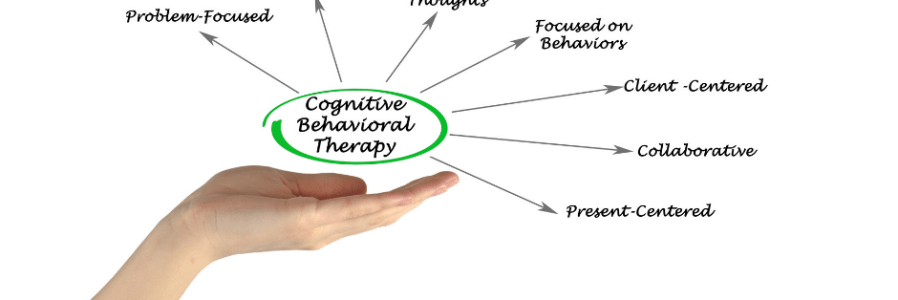
How CBT Works for Substance Abuse

Cognitive Behavioral Therapy (CBT) is highly suitable for treating substance abuse and addiction. It is one of the most widely used therapeutic approaches for addressing the behavioral and emotional aspects of addiction. CBT has been found to be effective in helping individuals not only break free from substance abuse but also develop healthier coping mechanisms to manage triggers, cravings, and the psychological components of addiction.… Read More How CBT Works for Substance Abuse

Acknowledgment and Acceptance

Recovery from drug abuse is about so much more than just stopping the use of a substance. It’s a comprehensive, multifaceted process that requires deep emotional work, the rebuilding of self-esteem, and the establishment of a strong support network. A trauma-informed approach to recovery can be particularly powerful, as it helps individuals confront the root causes of addiction, allowing for not just sobriety, but true emotional and psychological healing.

If someone is ready to embark on this journey, it’s important to remind them they are not alone, and their willingness to seek help is an act of immense courage. Each step forward is a victory worth celebrating.… Read More Acknowledgment and Acceptance

Truth or Fantasy?

In social settings, this might manifest as “talking bollocks” – a casual, often lighthearted way to describe someone saying ridiculous or far-fetched things, especially when intoxicated. The brain’s usual filters and controls become more lax, so people might say things they wouldn’t usually dare, or weave elaborate stories that make no sense but feel entertaining at the moment.… Read More Truth or Fantasy?