Addiction, Trauma & the Brain

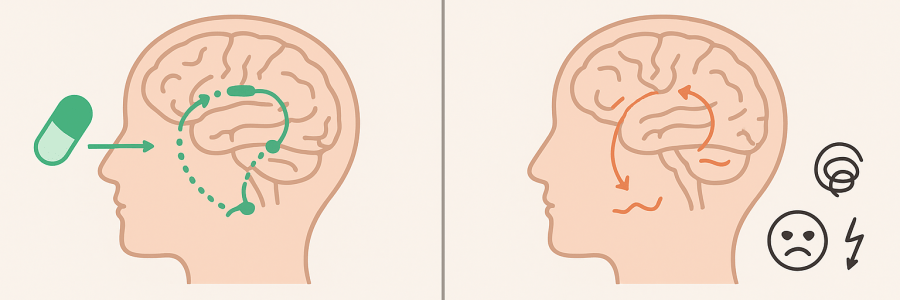
Addiction, Trauma & the Brain Addiction can be difficult to understand — both for the person experiencing it and for the people around them. My approach looks at addiction through both neuroscience and psychology, recognising that addictive behaviour can involve changes in the brain’s reward, motivation, learning, stress and self-regulation systems. Addiction can involve alcohol, recreational drugs… Read More Addiction, Trauma & the Brain

Generational Trauma, Addiction & Abuse

I have a particular interest in the complex relationship between generational trauma, addiction, emotional abuse and dysfunctional family patterns. Trauma does not always begin with the person seeking support. Sometimes the patterns we are struggling with today have developed within a family over many years or even generations. Children can grow up learning relationship patterns, emotional… Read More Generational Trauma, Addiction & Abuse

What Happens When Antipsychotic Medication Is Stopped Suddenly?

Stopping antipsychotic medication abruptly is medically risky.It can cause serious physical, psychological, and neurological effects. This is called antipsychotic withdrawal syndrome and rebound psychosis risk. 🧠 Why Sudden Stopping Is Dangerous Antipsychotic medications change brain chemistry over time, especially dopamine regulation. When stopped suddenly:👉 The brain cannot instantly rebalance👉 Dopamine activity rebounds sharply👉 This can cause severe symptom relapse or worsening 🚨 Possible… Read More What Happens When Antipsychotic Medication Is Stopped Suddenly?

The Consequences of a “Sweep-It-Under-The-Carpet” Culture: Generational Cycles of Denial

The “sweep it under the carpet” approach is characterized by an unwillingness to confront or acknowledge mistakes, misconduct, or harm. Wrongdoing is met with denial, and individuals are discouraged—even punished—for bringing issues to light. This behavior often serves as a protective mechanism for the family’s collective image, prioritizing appearances over authenticity and emotional well-being.

In such families: Wrongdoings are denied: Even when evidence exists, the default response is to deny any fault or mistake.

Accountability is avoided: No apologies, reparations, or efforts to address the harm are made.

Silence is enforced: Members are pressured to act as though the issue never occurred, with any mention of it being met with defensiveness or further denial.… Read More The Consequences of a “Sweep-It-Under-The-Carpet” Culture: Generational Cycles of Denial

Helping Yourself

Recovery is a journey that requires patience, persistence, and a lot of self-compassion. It’s about progress, not perfection, and understanding that setbacks can happen. What’s important is to keep moving forward, even if it’s one small step at a time. By integrating these self-help strategies into your daily life, you empower yourself to take control of your healing and create a new life that feels more fulfilling and authentic.… Read More Helping Yourself

The Transformative Power of Change

Stories of people who have struggled with drug addiction and alcoholism and then turned their lives around are often powerful examples of resilience, strength, and transformation. These individuals have faced some of the hardest battles, not only with substances but also with their own minds, emotions, and circumstances. Here are a few inspiring stories of people who have overcome their addictions to lead fulfilling lives:… Read More The Transformative Power of Change

When Addiction Becomes Dangerous

Addiction affects the brain’s reward system, altering the way it processes pleasure, motivation, and decision-making. Over time, this rewiring makes it increasingly difficult for a person to experience joy from everyday activities or to make rational choices about their substance use. This is why people with addiction often find themselves using even when they don’t want to—it’s no longer just a choice but a compulsion driven by their brain’s altered chemistry.… Read More When Addiction Becomes Dangerous

Signs That It’s Time to Intervene and Seek Help

Self-Harm or Suicidal Ideation: If the individual expresses thoughts of self-harm or suicide or has made any attempts to hurt themselves, it’s critical to seek help immediately. This behavior is a strong indicator of the severe mental distress caused by their drug use.

Engaging in Dangerous Activities: If your loved one engages in high-risk activities, like reckless driving, unsafe drug use methods, or placing themselves in dangerous situations, this is a sign that their judgment is seriously impaired.… Read More Signs That It’s Time to Intervene and Seek Help

Paranoia and Aggression

Seeing Friends, Family, or Pets as Threats: Users under the influence of stimulants may misinterpret the words or actions of loved ones, seeing even benign comments or gestures as signs of hostility or betrayal. Their heightened state of suspicion can turn a minor disagreement into a full-blown confrontation.

Aggressive Reactions: In this paranoid state, stimulant users might lash out verbally or physically at those around them. They may feel the need to defend themselves against perceived threats, which can lead to verbal abuse, physical violence, or even destructive behavior towards property.

Unpredictable Behavior: This aggression is often unpredictable and can escalate quickly. Loved ones might find themselves walking on eggshells, afraid of triggering a sudden outburst over something seemingly trivial.… Read More Paranoia and Aggression