When Someone Stays in a Place They Say They Dislike
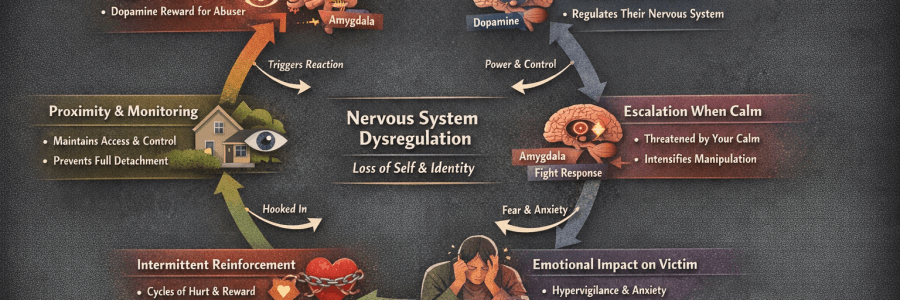
Neuroscience, Psychology, and Control-Based Behaviour He hates the climate.He hates the food.He dislikes the people.He struggles with the crowds in summer. Even his sister has said she does not think he will stay. So the question naturally becomes: Why does he stay? Why, indeed? When Words and Behaviour Do Not Match From a psychological perspective,… Read More When Someone Stays in a Place They Say They Dislike

Why Victims Should Not Have to Keep Proving the Truth

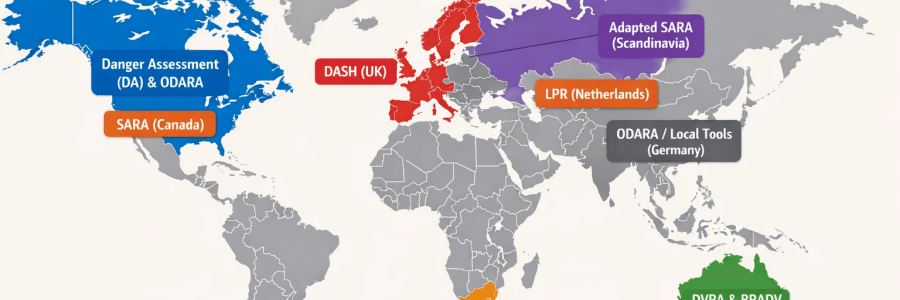
The Neuroscience and Psychology of Denial It should not be necessary to repeatedly present court orders, DASH risk assessments, psychological reports, medical evidence, witness statements, and legal outcomes just to be believed. When there is documented evidence—when professionals, courts, and specialists have already assessed the situation—the expectation should be understanding and support. Yet too often,… Read More Why Victims Should Not Have to Keep Proving the Truth

Real evidence-based figures without exaggeration.

🌍 Global reality (worldwide) 🔴 Women murdered (femicide) 👉 The key point:Most women are killed by someone they know, not strangers. 💔 Suicide linked to abuse This is harder to measure (and often hidden), but: 👉 Important truth:These deaths are often not officially recorded as abuse-related, even when they are. 🇪🇸 Spain 👉 Again, these are only reported… Read More Real evidence-based figures without exaggeration.

What Happens When People Finally See the Truth

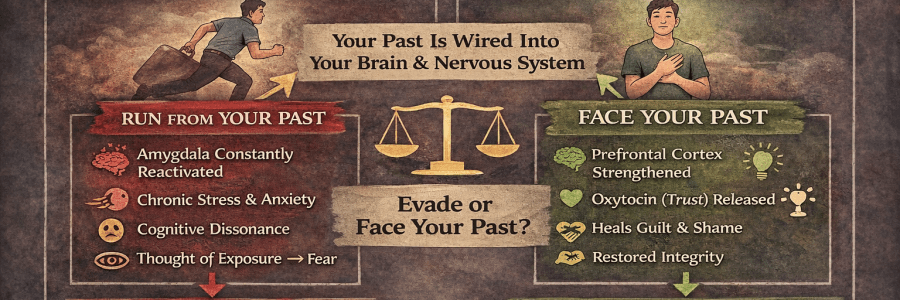
A Neuroscience and Psychological Response to Reality When the truth finally comes out—when denial can no longer be maintained—people do not all react the same way. But there are clear psychological and neurological patterns in how the brain responds. 1. Shock and Cognitive Overload The first reaction is often shock. When reality suddenly contradicts long-held… Read More What Happens When People Finally See the Truth

Why We Ignore Abuse—Until It’s Too Late

A Neuroscience Perspective on Awareness, Denial, and Accountability Many people only recognise the seriousness of abuse when it affects someone close to them. But by then, the damage is already done. Awareness, honesty, and accountability must come sooner—not later. Because ignoring abuse does not make it disappear—it allows it to continue. The Brain Prefers Comfort… Read More Why We Ignore Abuse—Until It’s Too Late

Why Abuse Continues: The Role of Silence, Denial, and Protection

Abuse does not exist in isolation. When someone moves through life harming partners, ex-wives, children, or others, and that behaviour is ignored, excused, or covered up, it creates the conditions for abuse to continue. This is the uncomfortable truth: abuse is not sustained by one person alone. It is sustained by the environment around them.… Read More Why Abuse Continues: The Role of Silence, Denial, and Protection