Leaving a harmful or abusive dynamic is not a single decision—it’s a process.
And often, the moment you step away is when everything feels like it shakes the most.
This is the part people don’t talk about enough.
The seismic fallout.
Why It Feels So Intense
When you leave, you’re not just walking away from a person. You are stepping out of:
- A pattern your nervous system adapted to
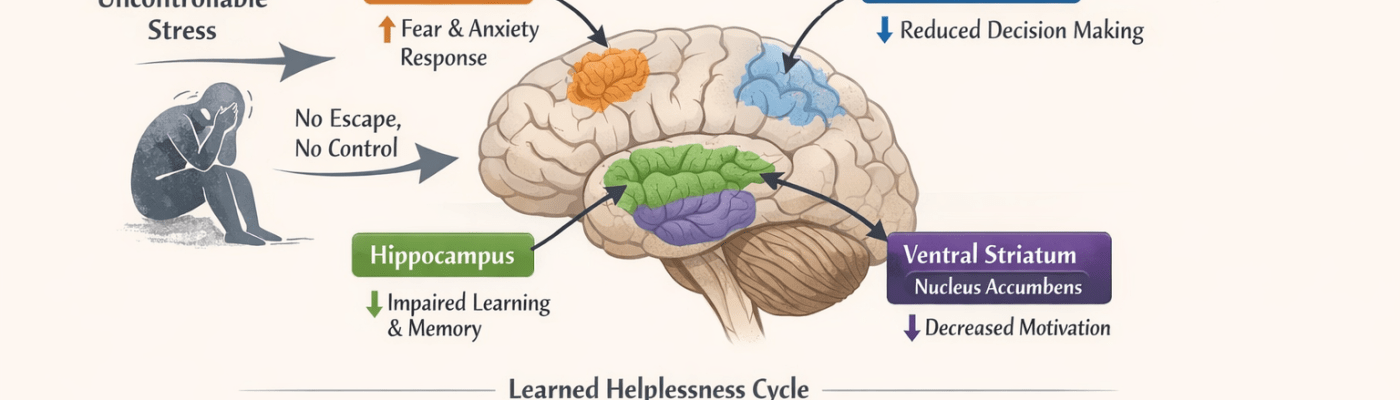
- A cycle your brain became conditioned by
- A version of yourself that learned to survive in that environment
Even if the relationship was harmful, it was still familiar.
And the brain often confuses familiar with safe.
So when you leave, your system can react with:
- Anxiety or panic
- Doubt (“Did I overreact?”)
- Urges to go back and restore “normal”
- Emotional crashes after moments of strength
This is not a sign you made the wrong decision.
It’s a sign your system is recalibrating.
The Emotional Aftershocks
After leaving, many people experience:
1. Withdrawal
The push-pull dynamic creates a biochemical attachment.
You may miss them—even the parts that hurt you.
2. Grief
You’re not just grieving the person—you’re grieving:
- The hope
- The future you imagined
- The version of them you believed in
3. Clarity (and Shock)
As distance grows, so does perspective.
Sometimes the reality of what you tolerated can feel overwhelming.
4. Guilt and Self-Doubt
Especially if you were conditioned to take responsibility for everything.
Practical Ways to Look After Yourself
This is where your focus gently but firmly returns to you.
Stabilise your nervous system
- Prioritise sleep, nourishment, and routine
- Gentle movement, fresh air, grounding practices
- Limit contact—space allows your system to settle
Reduce exposure to the source
- No-contact or low-contact if possible
- Remove triggers (messages, photos, checking their activity)
- Protect your peace like it matters—because it does
Lean on safe people
- Talk to those who are steady, not dramatic
- Choose people who support your clarity, not your confusion
Write things down
- When doubt creeps in, your mind may rewrite history
- Keep a record of what actually happened
- This anchors you in truth when emotions fluctuate
Expect waves—not linear healing
- Some days will feel strong
- Others will feel heavy or confusing
- Both are part of the process
What to Watch For After You Leave
Sometimes, the most intense behaviours happen after you step away.
Be aware of:
- Hoovering (sudden attempts to pull you back in)
- Promises of change without real action
- Guilt tactics or emotional pressure
- Anger or attempts to destabilise you
These are often attempts to restore control, not genuine transformation.
Rebuilding Yourself
Leaving creates space—but it can feel empty at first.
Slowly, that space becomes:
- Peace instead of tension
- Clarity instead of confusion
- Stability instead of unpredictability
You begin to reconnect with:
- Your voice
- Your needs
- Your sense of self
A Grounded Truth
It’s normal to feel shaken after leaving something that shook you.
But the discomfort of leaving is temporary.
The cost of staying is continuous.
Final Thought
You are not just leaving a person.
You are leaving a pattern.
And while the ground may feel unsteady at first,
you are, step by step, learning how to stand on your own again.


